How Android Backup Cameras Enhance Vehicle Safety and Driving Experience
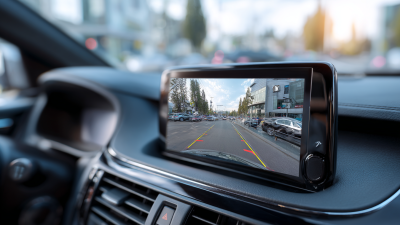
In today's fast-paced automotive landscape, the integration of advanced technology in vehicles is becoming increasingly essential for enhancing safety and the overall driving experience. One of the standout innovations in this field is the Android Backup Camera, a system designed to assist drivers in navigating safely while reversing, which has been proven to significantly reduce accident rates. According to a report by the National Highway Traffic Safety Administration, backup cameras can decrease the risk of backover accidents by 42%, highlighting their importance in automotive safety features.
Moreover, as more vehicles adopt these sophisticated camera systems, the familiarity and dependence on technology will further enhance the driving experience. A survey by J.D. Power indicates that consumers are increasingly prioritizing safety technology when purchasing vehicles, with over 70% of respondents considering backup cameras a vital feature. The Android Backup Camera not only provides a clear view of the area behind the vehicle but also integrates seamlessly with other digital controls, contributing to a safer and more convenient driving environment. With the ongoing advancements in automotive technology, the impact of the Android Backup Camera on vehicle safety and driver confidence is both profound and promising.

The Role of Backup Cameras in Preventing Accidents and Collisions
Backup cameras have become a significant advancement in vehicle safety, playing a crucial role in reducing accidents and collisions. According to the National Highway Traffic Safety Administration (NHTSA), nearly one in four accidents involves a rear-end collision, often due to limited visibility while reversing. The implementation of backup cameras has been shown to decrease these types of accidents by approximately 40%, offering enhanced visibility and awareness for drivers.
The effectiveness of backup cameras is underscored by a study from the Insurance Institute for Highway Safety (IIHS), which found that vehicles equipped with rearview cameras help drivers detect obstacles and pedestrians more effectively. In fact, the likelihood of seeking necessary visual checks before backing up increases when drivers use these cameras. This technology not only assists with awareness but also reinforces responsible driving habits, paving the way for safer road environments for all users, including pedestrians and cyclists. As the automotive industry continues to innovate, the adoption of backup cameras remains a prime example of how technology can enhance both safety and the overall driving experience.
Improving Driver Awareness and Navigation with Enhanced Visuals
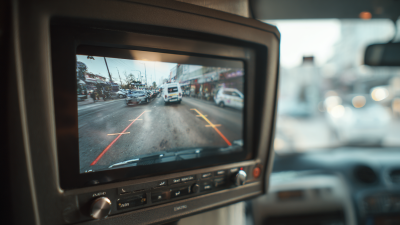
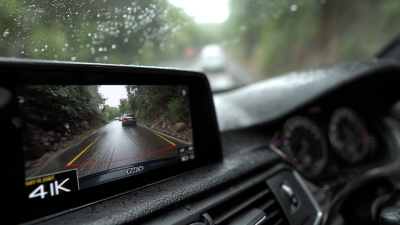
The integration of backup cameras in vehicles has significantly transformed the way drivers navigate their surroundings. According to a 2021 IIHS study, backup cameras can reduce the risk of backing crashes by approximately 42%. These monitors provide high-definition visuals that enhance the driver’s awareness of blind spots and obstacles, making parking and reversing much safer. With real-time feedback on screen, drivers are better equipped to make informed decisions, ultimately leading to a more confident driving experience.
When utilizing backup cameras, there are some essential tips that can further enhance safety. Firstly, always ensure that the camera lens is clean for optimal visibility—dirt or debris can obscure your view. Secondly, use the camera in conjunction with mirrors; backup cameras should be one part of a comprehensive awareness strategy, not a complete substitute. Lastly, take advantage of grid lines displayed on camera screens to gauge distances accurately, helping to reduce potential collisions. By combining the advanced visuals provided by backup cameras with these practical tips, drivers can significantly improve both their safety and driving capabilities.
Impact of Android Backup Cameras on Driver Awareness
Integration of Backup Cameras with Advanced Driver Assistance Systems
The integration of backup cameras with advanced driver assistance systems (ADAS) represents a significant advancement in enhancing vehicle safety and the overall driving experience. Modern backup cameras offer drivers a wider field of vision compared to traditional rearview mirrors, reducing blind spots and minimizing the risk of collisions when reversing. As backup cameras become standard features in new vehicles, their synergy with ADAS technologies further amplifies their effectiveness. For instance, systems that include obstacle detection and lane departure warnings can alert drivers to potential hazards detected by the backup camera, allowing for timely corrections and safer maneuvers.
Moreover, the automotive industry's shift toward camera-based technologies is helping to redefine driver assistance features. Advances such as AI integration in ADAS enable vehicles to learn from driving patterns and improve situational awareness. By leveraging real-time data garnered from backup cameras and other sensors, these systems can offer drivers enhanced support in complex driving scenarios, ensuring a safer driving environment. As innovations such as retractable side cameras and digital mirror replacements continue to emerge, the role of backup cameras within the broader framework of vehicle safety and assistance systems will likely evolve, leading to a more comprehensive approach to automotive safety.
User-Friendly Features That Enhance the Driving Experience
The integration of Android backup cameras into vehicles offers a robust array of user-friendly features that significantly enhance the driving experience. According to a study by the National Highway Traffic Safety Administration (NHTSA), vehicles equipped with rearview cameras can reduce backover accidents by over 40%. This technology not only aids in safer reversing but also provides real-time visual feedback, helping drivers navigate tight spaces and avoid obstacles with greater confidence.
Moreover, the functionality of these cameras is complemented by features such as dynamic guidelines and obstacle detection, which are increasingly standard in modern vehicles. A report from the Insurance Institute for Highway Safety (IIHS) highlights that user-friendly enhancements like these contribute to a 25% decrease in parking-related collisions. The ability to easily interface with Android-based systems further allows drivers to access additional features, such as GPS navigation and hands-free calling, creating a seamless and safer driving environment. As technology continues to evolve, these innovations are likely to set new safety standards in the automotive industry.
How Android Backup Cameras Enhance Vehicle Safety and Driving Experience
| Feature |
Description |
Safety Benefit |
User Experience Enhancement |
| Wide-Angle View |
Provides a larger field of vision to eliminate blind spots. |
Reduces risk of collisions with pedestrians and objects. |
Makes reversing safer and easier, increasing driver confidence. |
| Dynamic Guidelines |
Overlays on the rear camera view that indicate the path of the vehicle. |
Enhances spatial awareness while backing up. |
Helps in aligning the vehicle properly in tight spaces. |
| Night Vision |
Utilizes infrared or enhanced low-light technology. |
Increases visibility during nighttime or low-light conditions. |
Ensures smooth and confident reversing in dark areas. |
| Obstacle Detection |
Alerts drivers of objects in the path while reversing. |
Prevents potential accidents and damage. |
Reduces stress and enhances comfort during parking. |
| Integration with Navigation Systems |
Displays camera feed alongside navigation prompts. |
Minimizes distractions and improves focus on the road. |
Streamlines the driving experience with consolidated information. |
Regulatory Trends and Their Impact on Backup Camera Adoption
The integration of backup cameras in vehicles has been significantly influenced by evolving regulatory trends, particularly with a push towards improved safety standards. Recent research suggests that the global automotive rear view system market is expanding rapidly, driven by consumer demand for enhanced safety features and the integration of Advanced Driver-Assistance Systems (ADAS). According to a study published by Allied Market Research, this market is projected to experience a notable growth, fueled by an increasing emphasis on vehicle safety regulations and the potential for cameras to replace traditional mirrors in cars.
As regulatory bodies move towards harmonizing standards across regions, such as updating Australian Design Rules to align with European regulations, the adoption rate of backup cameras is expected to accelerate. Magna International highlights the potential for video rearview mirrors, indicating a future where traditional mirrors may become obsolete. This shift not only promotes vehicle safety by providing drivers with better visibility but also enhances the overall driving experience by reducing blind spots. In light of these developments, the automotive camera market is forecasted to grow at a robust CAGR of 9.5% by 2033, reflecting a strong preference for safety-enhancing technologies in modern vehicles.