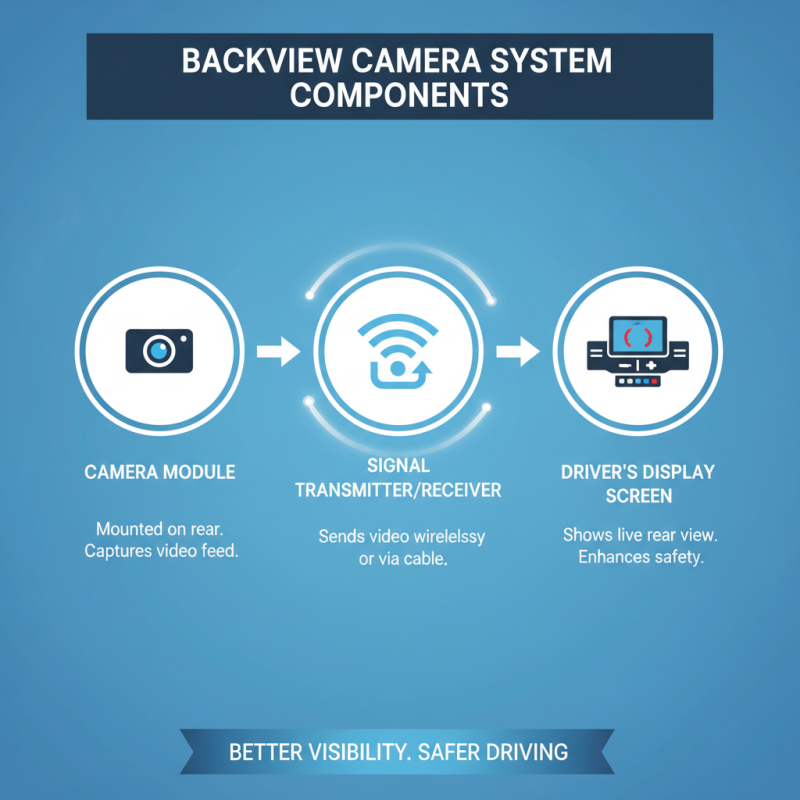
What is Backview Camera and How Does It Work?
The Backview Camera has become a crucial feature in modern vehicles. It aids drivers in reversing and parking with greater ease. This technology enhances safety by providing a clear view of the area behind the car. Many accidents occur due to blind spots, and the Backview Camera significantly reduces these risks.
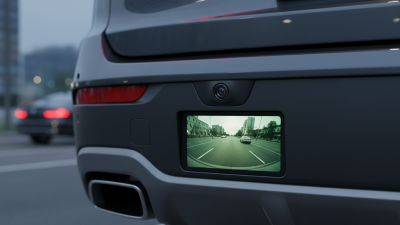
Understanding how a Backview Camera works can deepen appreciation for its benefits. The camera captures real-time video and displays it on the vehicle’s screen. This allows drivers to see obstacles that might not be visible through mirrors. While this technology is highly effective, it is not infallible. Drivers must still exercise caution and remain aware of their surroundings.
Incorporating a Backview Camera into driving routines can lead to safer practices. However, reliance on this tool can sometimes lead to complacency. Drivers should remember that technology is an aid, not a replacement for attentiveness. Overall, the Backview Camera represents a significant advancement in vehicle safety, providing a blend of convenience and precaution.
What is a Backview Camera?
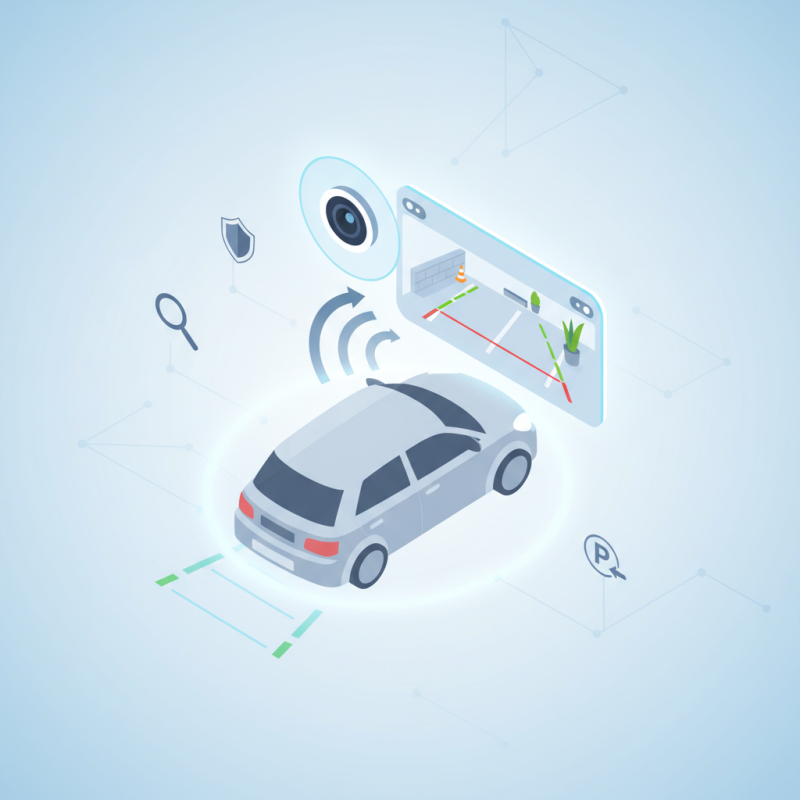
A backview camera is a type of technology designed to improve vehicle safety. By providing a clear view of the area behind a vehicle, it helps drivers avoid obstacles and pedestrians. This camera typically activates when the vehicle is in reverse, giving real-time video feed to the driver. This feature is especially beneficial in busy parking lots or crowded streets.
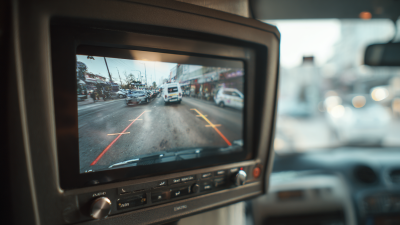
Backview cameras work by utilizing a wide-angle lens to capture a large field of vision. The video feed is displayed on a screen within the vehicle, usually integrated into the dashboard or rearview mirror. This technology allows drivers to see what is directly behind them, which might otherwise be hidden by the vehicle's design.
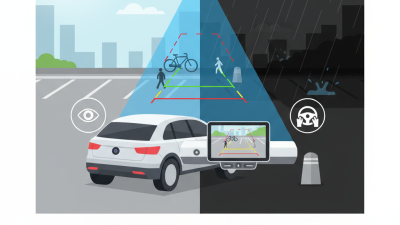
While backview cameras greatly enhance safety, they are not infallible. Depending on the camera's angle and resolution, blind spots may still exist. Additionally, environmental factors such as rain or dirt can obscure the camera's view. It’s essential for drivers to remain aware of their surroundings, even with such technology in place.
Backview Camera Features Comparison
This bar chart illustrates the features of backview cameras based on various criteria such as night vision capabilities, wide-angle view, resolution quality, sensor type, and distance assists. Each feature is rated on a scale from 0 to 10 to provide an overview of their effectiveness and user experience.
How a Backview Camera Works in Vehicles
A backview camera, or rearview camera, is an essential safety feature in modern vehicles. It provides drivers with a clear view of the area behind their car. This system typically includes a camera mounted near the vehicle’s rear and a display screen inside the cabin. According to the National Highway Traffic Safety Administration (NHTSA), these cameras can help reduce backup-related accidents by approximately 40%. This statistic underscores their importance in enhancing road safety.
The operation of a backview camera is simple yet effective. When the vehicle is in reverse, the camera activates and shows real-time video on the screen. The image often includes guidelines to help drivers gauge distance. Research indicates that around 50% of backover incidents are linked to visibility issues. With this camera, blind spots are minimized. This technology is improving, yet challenges remain. Some drivers may still misjudge distances despite the guidelines, leading to accidents. The reliability of these systems can also be affected by environmental factors like rain or dirt obstructing the camera lens.
As technology evolves, manufacturers are focusing on enhancing the functionalities of backview cameras. They are integrating features such as obstacle detection and alerts, further improving safety. However, drivers must remain aware and not rely solely on this technology. Regular checks and maintenance are crucial to ensure optimal performance.
What is Backview Camera and How Does It Work?
| Feature |
Description |
| Definition |
A backview camera, also known as a rear-view camera, is a video camera installed on the rear of a vehicle to assist drivers in reversing. |
| Functionality |
It provides a live video feed of the area behind the vehicle to help prevent collisions with obstacles or pedestrians. |
| Components |
The system typically includes a camera, a display screen, and wiring to connect the components. |
| Activation |
The camera activates when the vehicle is put into reverse gear, automatically turning on the display. |
| Field of View |
Backview cameras typically offer a wide-angle view to cover blind spots and increase safety. |
| Safety Benefits |
They significantly reduce the risk of accidents while reversing and can help drivers detect small children, pets, or obstacles. |
Benefits of Using a Backview Camera for Safety
The backview camera is a simple yet effective device. It provides a clear image of what's behind a vehicle, helping drivers navigate tight spaces. As parking lots become busier, having this view is crucial. Many accidents occur during reversing. A backview camera can significantly reduce these incidents.
Using a backview camera enhances safety in several ways. It automatically engages when the vehicle is in reverse. This instant feedback allows for better decision-making. Drivers can see pedestrians and obstacles clearly. In some cases, the camera provides guidelines on the display. These visual aids help improve spatial awareness, even for novice drivers.
However, relying solely on this technology isn't wise. Drivers should still look around as they reverse. Cameras can have blind spots or might not detect low objects. Regular checks of the camera system are necessary. Overall, while backview cameras are valuable, they should be part of a comprehensive safety approach.
Common Issues and Maintenance Tips for Backview Cameras
Backview cameras are essential safety tools for drivers. They provide a clear view of what's behind your vehicle, minimizing blind spots. But like any technology, they can face issues.
Common problems include blurry images, connection issues, and improper alignment.
Regular maintenance is crucial for optimal performance. Clean the camera lens regularly to avoid dirt and debris buildup. Check wiring for any signs of wear or damage. A simple visual inspection can often reveal issues that need attention.
Make sure the camera is properly aligned to prevent misjudgments while reversing.
Drivers must also be aware of the limitations of backview cameras. They may not detect objects below the camera's line of sight. Relying solely on this technology can lead to accidents.
Taking time to verify your surroundings is still essential, even with a functioning backview camera.