Exploring the Benefits of Digital Rear View Cameras for Modern Vehicles
In today's fast-paced automotive landscape, the integration of advanced technologies has transformed the way we interact with our vehicles, particularly in enhancing safety and convenience. One such innovation is the Digital Rear View Camera, which provides drivers with a clearer and more comprehensive view of their surroundings when reversing or navigating tight spaces. This technology not only minimizes blind spots but also plays a crucial role in preventing accidents, particularly for families and city dwellers. As compact living spaces and urban traffic become more common, the demand for reliable visibility solutions grows. In this article, we will explore the multifaceted benefits of Digital Rear View Cameras, highlighting their contribution to improved safety, convenience, and overall driving experience. Whether you are a tech enthusiast or an everyday driver, understanding how these cameras work and their advantages can empower you to make informed decisions when considering modern vehicle features.
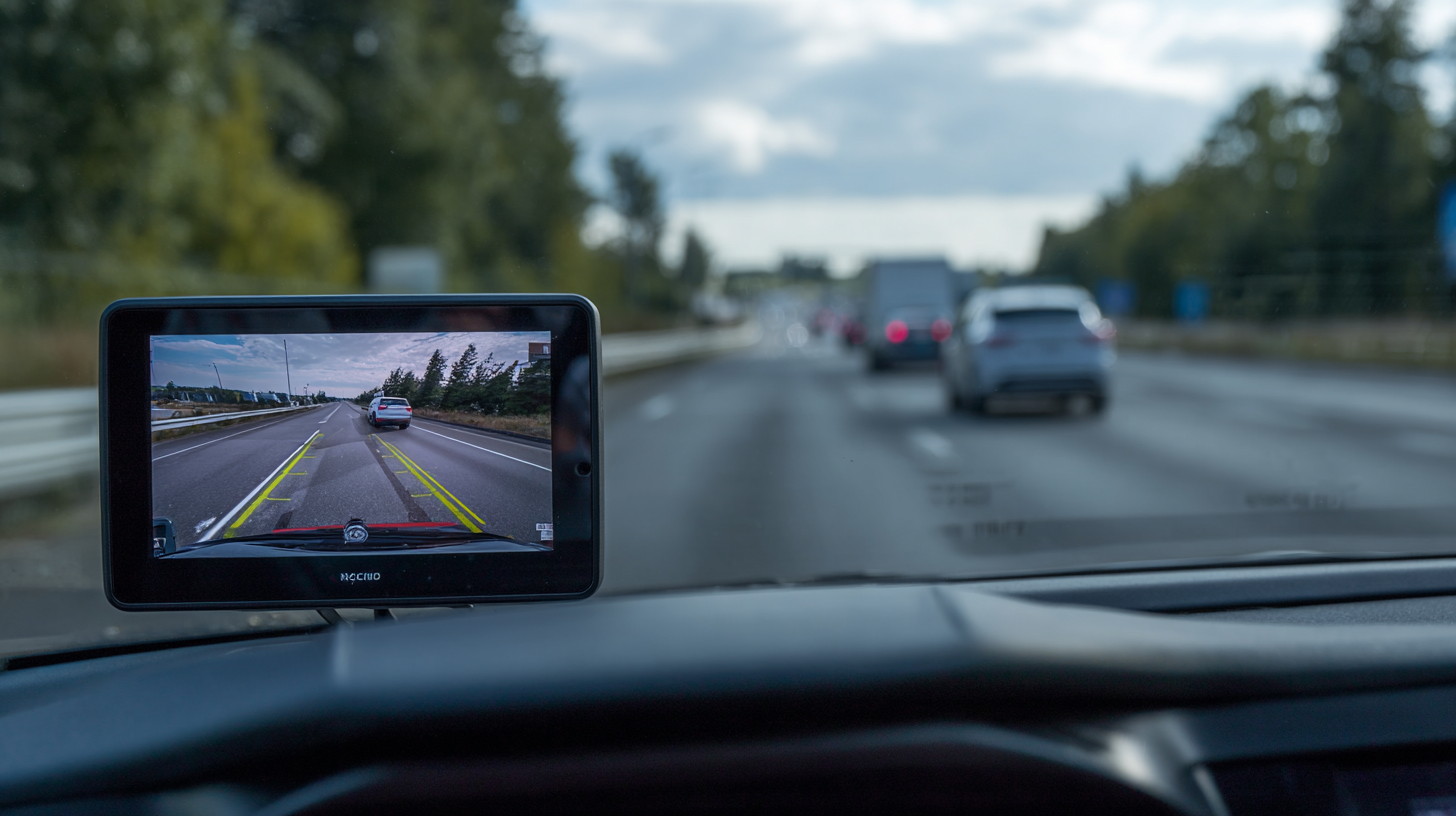
Understanding the Functionality of Digital Rear View Cameras in Vehicles
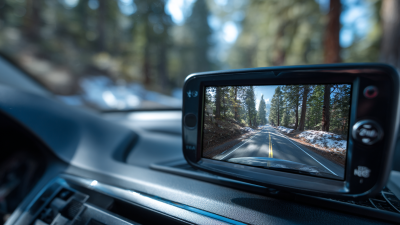
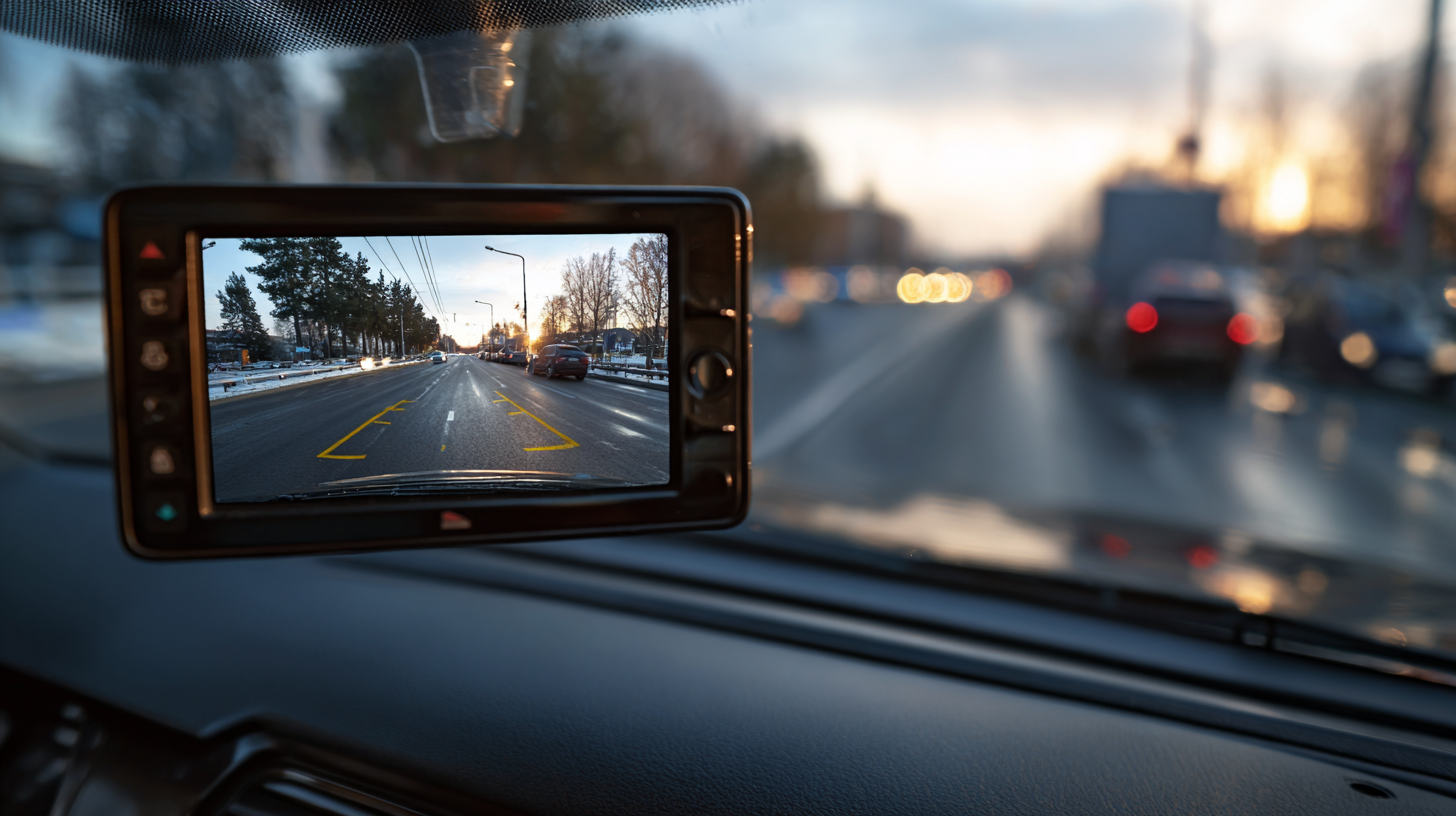 Digital rear view cameras have become an essential feature in modern vehicles, significantly enhancing safety and convenience for drivers. These cameras provide a clear view of the area behind the vehicle, which is crucial when reversing or parking. Unlike traditional side mirrors, digital rear view cameras eliminate blind spots, ensuring that drivers have a comprehensive view of their surroundings. This technology is particularly beneficial in crowded urban environments where obstacles and pedestrians may not be visible.
The functionality of digital rear view cameras extends beyond just providing a wider field of vision. Many systems are equipped with advanced features such as dynamic guidelines that assist drivers in maneuvering their vehicles more effectively. These guidelines adjust according to the steering angle, helping drivers to gauge their trajectory and improve accuracy during parking. Additionally, some digital rear view cameras offer night vision capabilities, enhancing visibility in low-light conditions, which significantly boosts overall safety. As vehicles continue to evolve, the integration of digital rear view cameras represents a significant advancement in automotive technology, prioritizing driver awareness and passenger protection.
Advantages of Using Digital Rear View Cameras for Enhanced Safety
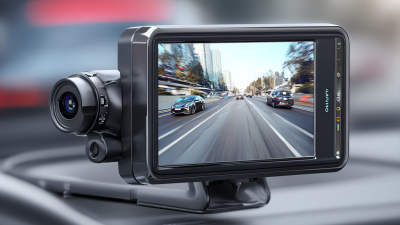
Digital rear view cameras have become an essential feature in modern vehicles, significantly enhancing safety for drivers and passengers alike. Unlike traditional mirrors, which can create blind spots, these advanced cameras provide wider and clearer field of vision. This increased visibility helps in minimizing accidents during reversing maneuvers by allowing drivers to detect obstacles, pedestrians, and vehicles more effectively.
Moreover, digital rear view cameras often come equipped with features such as gridlines and warning indicators, further assisting drivers in navigating . The real-time feedback they provide is invaluable, particularly in urban environments where parking and maneuvering can be challenging. By integrating these cameras into vehicle design, manufacturers promote safer driving practices, ultimately contributing to a reduction in collision rates and enhancing overall road safety.
How Digital Rear View Cameras Improve Parking and Maneuvering Skills
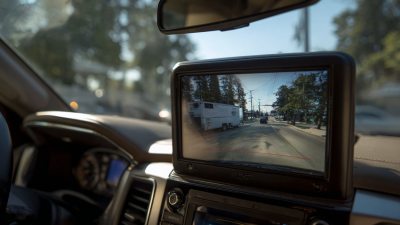
Digital rear view cameras have revolutionized the way drivers approach parking and maneuvering in modern vehicles. These innovative systems provide a clear, real-time view of the area behind the vehicle, significantly reducing blind spots and enhancing visibility. With a digital display that shows a wide-angle perspective, drivers can easily identify obstacles, pedestrians, and other vehicles, thereby minimizing the risk of accidents during reversing and parking maneuvers. This enhanced visibility is particularly beneficial in crowded urban environments where traditional mirrors fall short.
Moreover, the integration of digital rear view cameras into vehicles promotes better spatial awareness and confidence among drivers. As users become accustomed to relying on the camera's visual feedback, they develop improved parking skills and a better understanding of their vehicle's dimensions. Features such as grid lines and distance markers further assist drivers in gauging the proximity of nearby objects, allowing for more precise navigation in tight spaces. Overall, digital rear view cameras not only facilitate safer driving practices but also empower drivers to maneuver with greater ease and accuracy, transforming the way we perceive and execute parking tasks.
Exploring the Benefits of Digital Rear View Cameras for Modern Vehicles
This chart illustrates the percentage of drivers who reported improved skills in parking and maneuvering after using digital rear view cameras.
Integration and Compatibility of Digital Rear View Cameras with Existing Systems
Digital rear view cameras have revolutionized the way we perceive road safety and maneuvering in modern vehicles. Their integration with existing systems not only enhances functionalities but also addresses critical safety concerns. According to a report by the National Highway Traffic Safety Administration (NHTSA), rearview cameras can reduce backover accidents by up to 17%, highlighting their essential role in vehicle safety systems. As automakers strive to incorporate this technology, compatibility with existing vehicles often poses a challenge. Many manufacturers now provide retrofit options, allowing older models to benefit from this technology seamlessly.
To ensure effective integration, car owners should seek cameras that are specifically designed for compatibility with their vehicle models. This often includes checking wiring harnesses and port availability. Additionally, opting for systems that integrate with in-car navigation and infotainment systems enhances usability. Regular updates and maintenance can also ensure that these systems perform optimally.
Tips: When selecting a digital rearview camera, look for features such as night vision, wide-angle lenses, and high-resolution footage. These enhancements not only provide better visibility but also contribute to overall driving safety. Furthermore, consider professional installation to guarantee optimal performance and compatibility with your vehicle's existing systems.
Maintenance Tips for Ensuring Optimal Performance of Rear View Cameras
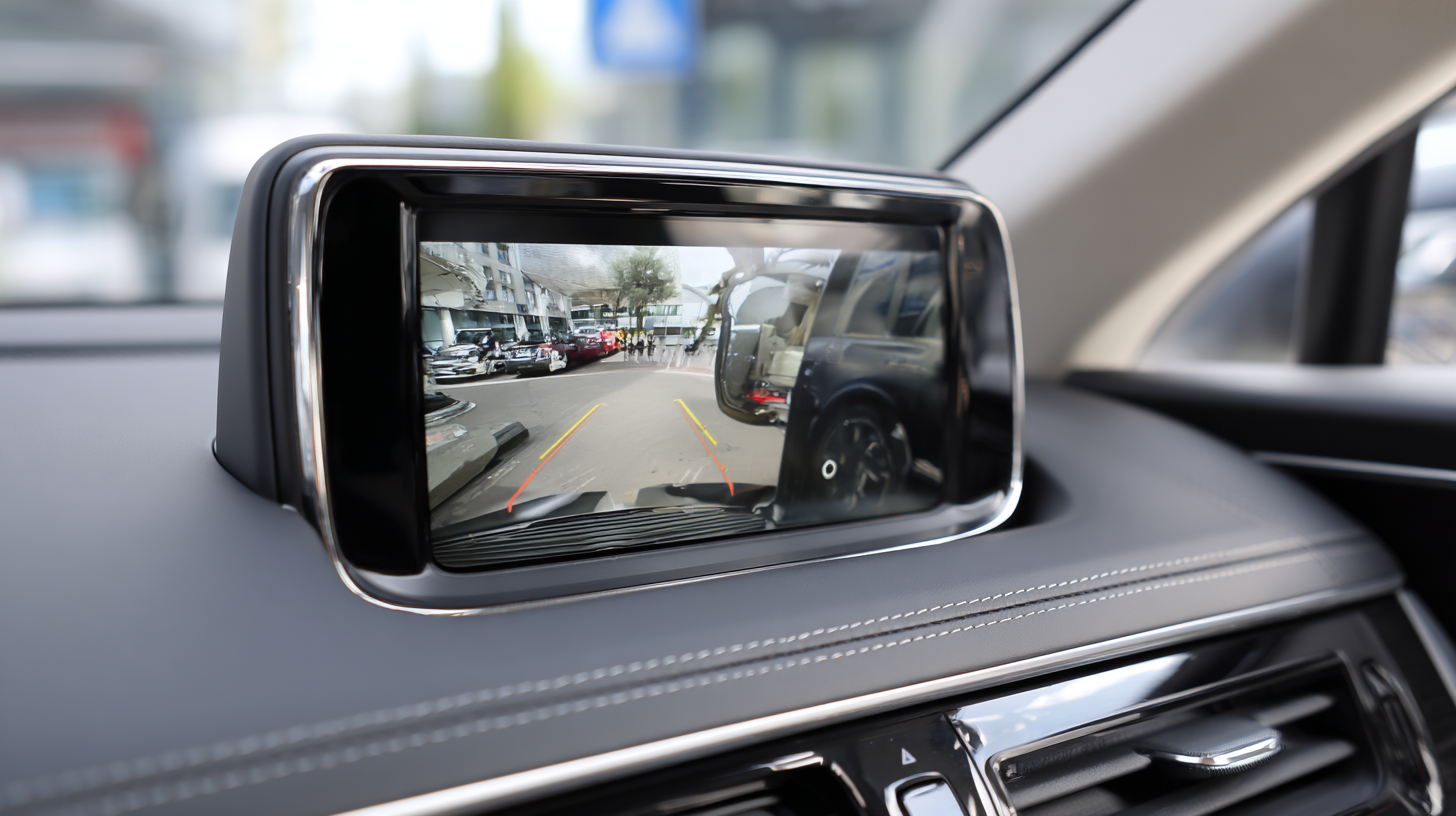 Digital rear view cameras have become essential components in modern vehicles, enhancing safety and convenience for drivers. However, to ensure these systems operate optimally, regular maintenance is crucial. This blog will provide some practical tips for maintaining your rear view camera.
Firstly, keeping the camera lens clean is essential for clear visibility. Dirt, dust, and water spots can obstruct the view and affect performance. Use a microfiber cloth to gently wipe the lens regularly, and consider using a specialized lens cleaner for stubborn grime. In addition, check the camera housing for any signs of damage or wear that could impede functionality.
Another tip is to routinely inspect the wiring and connections. Loose connections can lead to intermittent functionality or complete failure of the camera. Ensure all cables are securely fastened and free from wear or fraying. If you notice any electrical issues, it's best to consult a professional to avoid further damage to the system. By following these maintenance tips, you can help ensure that your rear view camera continues to provide the safety and assistance you rely on while driving.