Best Backup Camera System for Your Vehicle Needs?
In today’s automotive market, safety features have become paramount. A Backup Camera System is no longer just an accessory; it’s a necessity. According to a report by the National Highway Traffic Safety Administration (NHTSA), vehicles equipped with backup cameras can reduce backover accidents by 42%. This substantial statistic emphasizes their importance in enhancing driver awareness and preventing accidents.
Adopting a reliable Backup Camera System is vital for any vehicle owner. These systems not only assist in parking but also help detect obstacles and pedestrians that might be in blind spots. A Google study noted that 77% of consumers consider safety features when purchasing a car. This growing demand drives manufacturers to innovate, resulting in various systems tailored to diverse needs.
However, not all Backup Camera Systems are created equal. Some models deliver high-resolution images while others lack essential features, like proper night vision. Buyers must reflect on their specific requirements to make an informed choice. Investment in the right system can ultimately lead to safer driving experiences and, undeniably, provide peace of mind on the road.

Types of Backup Camera Systems for Different Vehicles
When selecting a backup camera system, understanding the types suited for different vehicles is crucial. Trucks, SUVs, and sedans each have unique requirements. For larger vehicles, an extended view can help eliminate blind spots. These vehicles often benefit from multi-camera setups that provide comprehensive coverage. Compact cars, on the other hand, usually require simpler systems with standard rear-facing cameras.
It’s essential to consider your vehicle's layout. For instance, a vehicle with a hitch may need a camera that shows both the back and the hitch area. This feature can help avoid costly accidents. Always ensure that the camera's resolution is adequate for your needs. High-quality images can make reversing and parking more manageable.
Tips: Before installation, check how the camera connects to your display. Wireless options can reduce clutter. Choose a system that offers good night vision. Visibility during low light can prevent accidents. Always read reviews about the model you consider. They can reveal helpful insights on performance and durability. Don’t forget the weather resistance rating, especially if you live in harsh climates.
Key Features to Consider When Choosing a Backup Camera
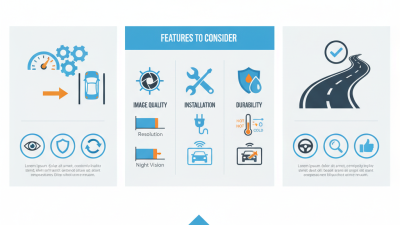
When selecting a backup camera system, several key features stand out. First, consider the camera resolution. A clearer image helps avoid potential accidents. Look for cameras that offer at least HD quality. This clarity enables better judgment on distance and obstacles.
Another important feature is the field of view. A wider angle can significantly enhance your visibility. Systems with a 170-degree view often cover blind spots effectively. However, too wide of an angle may distort distances, so balance is crucial.
Tips: Always check if the camera offers night vision. Good visibility in low-light conditions is essential for safety. Additionally, ensure the camera is weatherproof for durability.
Lastly, think about the integration with your vehicle. Some systems work better with specific models. Ensure compatibility to avoid frustration during installation. Remember, while features are vital, personal comfort and ease of use also matter. Carefully evaluate these aspects before making a decision.
Installation Options for Backup Camera Systems
When considering backup camera systems, installation options play a crucial role. You can choose between professional installation or a DIY approach. Each option has its pros and cons. Professional installation often guarantees a clean and efficient setup but can be costly. On the other hand, DIY installation saves money but may require more time and some technical skills.
Tips: Measuring the space for the camera is vital. Ensure that the chosen location provides a clear view.
For DIY enthusiasts, many systems come with comprehensive manuals. These guides often include step-by-step instructions. However, you might encounter unexpected challenges. You could make mistakes that lead to faulty wiring or misalignment of the camera. It’s wise to double-check connections and settings.
Tips: Have a friend assist you. Extra hands can make a difference during installation.
Ensure the camera is positioned at the correct height. This minimizes blind spots and maximizes viewing angles. Some vehicles have factory settings that might conflict with your new system. Understanding your vehicle's layout is essential for optimal performance. Document any unusual issues you face during installation. This can inform future adjustments or modifications.
Evaluating Image Quality and Field of View in Backup Cameras
When selecting a backup camera system, image quality and field of view are crucial factors. High-resolution cameras provide clearer images. According to a recent automotive safety report, a camera with a resolution of at least 720p significantly enhances visibility. This attention to detail makes a real difference during low-light conditions.
Field of view is equally important. A wider angle allows for better detection of obstacles. Research suggests that a 130-degree field of view can reduce blind spots significantly. In fact, vehicles with wider fields are 50% less likely to be involved in accidents while reversing. However, there can be a trade-off; wider angles may distort images, leading to misjudgments about distance.
Evaluating these elements is critical for effective usage. Users should test different systems in real-world conditions. Reflecting on whether the camera's image truly meets personal needs is vital. Each vehicle type may demand different specifications. Optimal choices stem from understanding these unique requirements.
Top Brands and Models of Backup Camera Systems on the Market
When selecting a backup camera system, various brands and models dominate the market. Recent industry insights reveal that nearly 60% of consumers prioritize image quality and ease of installation. The right system can significantly enhance vehicle safety, reducing blind spots by up to 30%.
One prominent feature to consider is the camera's resolution. Systems with high-definition cameras provide clearer images, aiding drivers in difficult parking situations. Moreover, wireless options have become increasingly popular. Studies indicate that over 50% of users prefer these systems for their ease of installation and reduced cable clutter. However, some users reported connectivity issues, highlighting the need for thorough assessments before purchasing.
Durability is another critical aspect. Many brands claim their cameras are weather-resistant. However, certain models have underperformed, particularly in extreme conditions. Consumer feedback often emphasizes the need for reliable customer support. Ensuring you choose a system backed by solid warranties and positive ratings can greatly enhance your experience. Overall, understanding these elements can aid in making a precise choice tailored to your specific vehicle needs.
Best Backup Camera Systems on the Market