Best Tips for Choosing Wireless Backup Camera and Monitor?
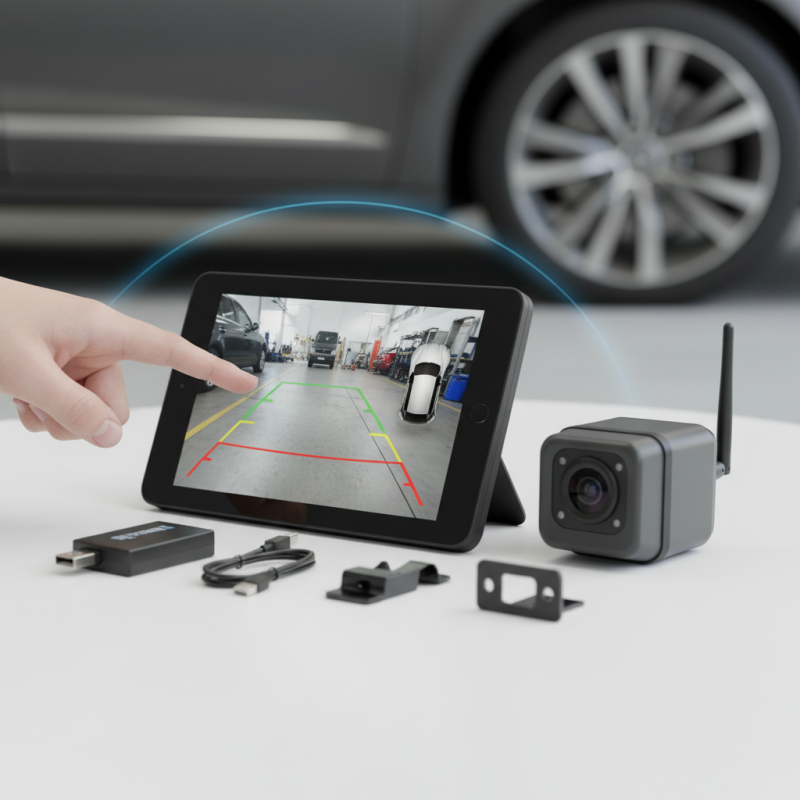
Choosing the right Wireless Backup Camera and Monitor can be challenging. With so many options available, finding the perfect fit may feel overwhelming. The ideal system improves safety and convenience while reversing or parking. However, not all solutions meet these needs.
Quality and features are essential considerations. Look for a high-resolution camera to ensure clarity. The monitor should be large enough for easy viewing. Battery life is another factor; you don't want your system to fail when you need it most.
It's also crucial to consider the ease of installation. Some cameras come with complicated wiring. This can lead to frustration and wasted time. Sometimes, overthinking the options leads to indecision. The goal is to find a balance between quality and usability. Trust your instincts, even if they guide you to a less popular choice.
Understanding the Benefits of a Wireless Backup Camera System
A wireless backup camera system enhances safety while reversing. According to a recent report, nearly 300,000 injuries and 200 deaths occur yearly from reversing accidents in the United States. These systems provide clear, real-time visuals, allowing drivers to detect obstacles quickly. With a wireless setup, installation becomes hassle-free. There's no need for long, complicated wiring.
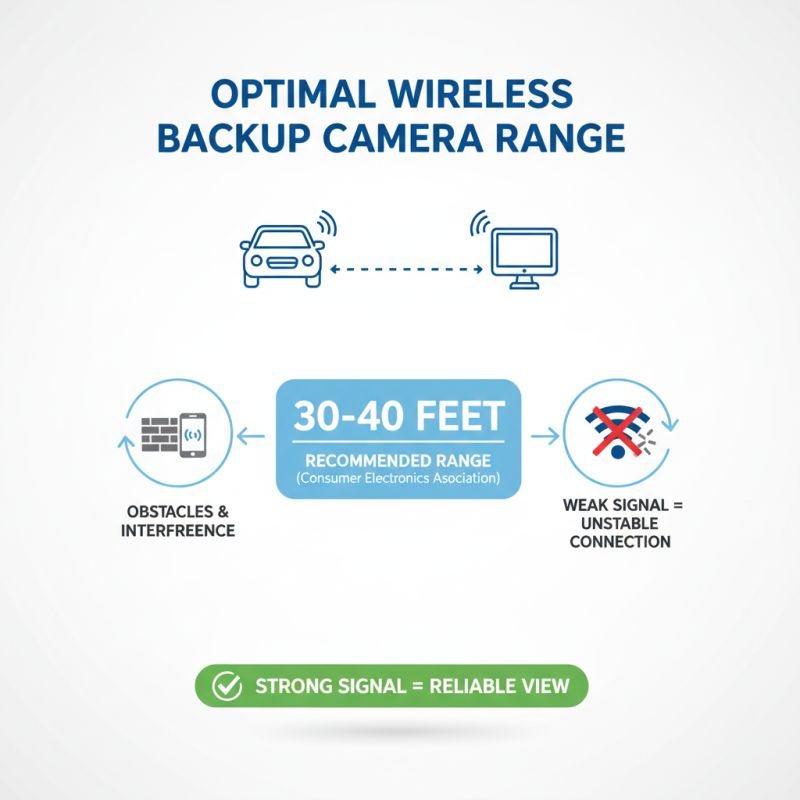
However, not all systems are created equal. Some wireless cameras may experience lag or interference. This can lead to a false sense of security. It's crucial to consider the range and reliability of the signal. Research indicates that systems with a range of at least 30 feet tend to perform better. Additionally, nighttime visibility is often overlooked. Many cameras fail to deliver adequate images after dark. Choosing one with good low-light performance is essential.
While these systems improve safety, users should remain vigilant. No technology is foolproof. Relying solely on camera systems can create complacency. Regular checks and practice are necessary to ensure effectiveness. Like any tech, attention to details matters. Exploring user reviews and professional ratings can help you navigate these options effectively.
Key Features to Look for in Wireless Backup Cameras
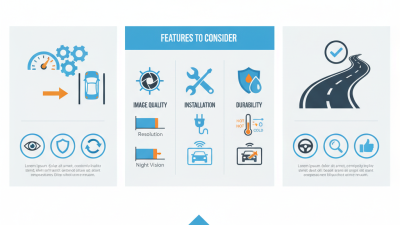
When choosing a wireless backup camera, understanding key features is vital. Picture quality is a major factor. Look for high-resolution images. Clear visuals help prevent accidents. Night vision capability plays an essential role, too. Poor lighting can lead to mishaps. A good backup camera should perform well in all conditions.
Another important aspect is the wireless range. It should cover the entire area behind your vehicle. Weak signals can lead to distortion or lost connections. The monitor size matters as well. A larger screen can provide better visibility. Features like grid lines can assist with parking.
Consider the ease of installation. Some cameras require professional help, while others can be DIY projects. The complexity of setup can be frustrating. Battery life is equally crucial; cameras with short battery life can add stress. Lastly, pay attention to customer reviews. They often reveal hidden issues that manufacturers might not disclose.
Selecting the Right Monitor for Your Backup Camera Setup
When setting up a wireless backup camera, choosing the right monitor is crucial. The size of the monitor matters. A larger screen can provide a clearer view. Look for monitors around 7 to 10 inches. This size strikes a good balance between visibility and space. If the monitor is too small, details may be lost.
Consider the resolution as well. A higher resolution helps capture finer details. Lower-quality monitors can be frustrating when trying to see objects behind you. Also, think about the ease of installation. Mounting options vary significantly. Some monitors require complex setups; others are straightforward. A monitor that’s easy to install will save you time.
Don’t forget about compatibility. Make sure the monitor works with your backup camera. Some monitors only work with specific types of cameras. This mismatch can lead to disappointment. Finally, assess the brightness. In bright sunlight, a dim display is hard to see. Choosing a monitor with adjustable brightness settings is key. These small factors can heavily influence your experience.
Evaluating Wireless Range and Signal Strength of Backup Cameras
When choosing a wireless backup camera, evaluating the wireless range and signal strength is crucial. A strong signal ensures a stable connection between the camera and monitor. According to a report by Consumer Electronics Association, the optimal wireless range for backup cameras is typically between 30 to 40 feet. However, many factors can affect this distance, including physical obstacles and interference from other devices.
Wireless backup cameras often utilize 2.4 GHz or 5 GHz frequencies. The 2.4 GHz frequency offers better range but can be susceptible to interference. Conversely, the 5 GHz frequency provides clarity but has a shorter range. The choice depends on your vehicle and how you plan to use the camera.
It's also important to consider the positioning of the camera. A poorly placed camera may reduce signal strength. Some users report a weak signal due to installation near metal components. Experimenting with camera location can yield better results. Furthermore, not all environments are ideal. Urban settings can introduce interference, while rural areas may provide clearer signals. Balancing these aspects can enhance your overall experience.
Installation Tips for Optimal Performance of Wireless Systems
When installing a wireless backup camera and monitor, the placement of each component is crucial. Studies show that improper placement can reduce the camera's effectiveness by up to 30%. Position the camera high, ensuring a clear view of the area behind the vehicle. Aim for an angle that minimizes blind spots.
Consider the monitor's location too. It should be easily visible while driving, ideally close to eye level.
Connection quality is another key factor. Wireless systems can depend on the strength of the signal. Common issues include interference from other electronic devices. Make sure to minimize obstructions between the camera and monitor. In fact, nearly 25% of users report interference problems due to nearby technology. Try to test the system before finalized installation. This step can reveal unanticipated issues that may need fixing.
Lastly, power sources matter. Wireless cameras often rely on battery power, which can diminish over time. Regularly check connections and battery status. Aim to replace batteries every six months to ensure optimal performance. Consistent maintenance can prevent unexpected failures and improve safety.