How to Choose the Best RV Backup Camera Monitor for Your Needs
As the popularity of RV travel continues to surge, with the RV Industry Association reporting a remarkable 26 million RV-owning households in the U.S. alone, ensuring safety while on the road has never been more critical. One crucial safety feature that has gained traction among RV enthusiasts is the RV backup camera monitor. According to a recent study by the National Highway Traffic Safety Administration (NHTSA), backup cameras can reduce reverse-related crashes by up to 30%, highlighting their importance for preventing accidents and enhancing overall visibility. With various options available, selecting the best RV backup camera monitor tailored to individual needs is essential for maximizing convenience and safety while navigating tight spaces and crowded campsites. In this guide, we will explore key considerations and features to look for when choosing the right system to enhance your RV experience.
Understanding Different Types of RV Backup Camera Monitors Available
When choosing the best RV backup camera monitor for your needs, it's essential to understand the various types available on the market. There are primarily three categories of backup camera monitors: LCD screens, touchscreens, and integrated systems.
LCD screens provide clear visual feedback but may lack advanced features like touch interaction. Touchscreen monitors enhance user experience by allowing intuitive controls, while integrated systems blend seamlessly with your vehicle’s existing display, boasting higher functionality and ease of use.
It’s also crucial to consider specific features that cater to your RV lifestyle. For instance, models with night vision capabilities enable safer reversing in low-light conditions, an important feature given that 30% of backing accidents occur in the dark, according to industry reports. Additionally, resolution plays a significant role; monitors featuring 1080p HD video quality offer sharper images and better detail, substantially improving your awareness of surroundings.
Tips for Choosing the Right Monitor:
- Assess your typical driving conditions; if you often park in dim areas, prioritize night vision capabilities.
- Look for monitors that provide wider viewing angles, as they can drastically reduce blind spots.
- Check for compatibility with your RV's existing electrical systems to ensure an easy installation process.
Key Features to Consider When Selecting an RV Backup Camera Monitor
When selecting an RV backup camera monitor, there are key features that can enhance both safety and convenience. First and foremost, consider the monitor’s display quality. A high-resolution screen ensures that you can clearly see obstacles, even in low-light conditions. Many modern monitors offer touchscreen capabilities, increasing ease of use by allowing you to navigate settings and view camera feeds intuitively. Additionally, viewing angles are crucial; a camera with a wide field of view can help eliminate blind spots, making reversing and maneuvering simpler and safer.
Another important factor is the camera's night vision capability. This feature is essential for anyone traveling or parking in poorly lit areas. Enhanced visibility after dark can significantly reduce the risk of accidents. Furthermore, look for additional functionality such as built-in recording options. Some advanced models allow you to record video footage while driving, providing a valuable safety measure in the event of an incident. By focusing on these specific features, you can find an RV backup camera monitor that meets your unique needs, ensuring a safer and more enjoyable travel experience.
Key Features of RV Backup Camera Monitors
Comparing Pricing Options: Affordable vs. Premium RV Backup Camera Monitors
When selecting an RV backup camera monitor, one of the primary considerations is the budget. Affordable options typically range from $100 to $300 and can provide the essential features needed for safe maneuvering. These monitors usually come with decent image quality, basic night vision capabilities, and a dependable wireless connection. For casual RV users who might only need the camera for occasional trips, these budget-friendly monitors can offer excellent value, making them a practical choice without overwhelming costs.
On the other hand, premium RV backup camera monitors, priced between $300 to $700 or more, come packed with advanced features. These high-end models often include superior image resolution, wider viewing angles, and enhanced night vision technology, ensuring optimal visibility in all conditions. Additionally, many premium monitors offer greater durability and weather resistance, crucial for those who frequently embark on long trips or travel through varied environments. Investing in a premium option can provide peace of mind, especially for avid RVers who prioritize safety and reliability while on the road.
How to Choose the Best RV Backup Camera Monitor for Your Needs - Comparing Pricing Options: Affordable vs. Premium RV Backup Camera Monitors
| Camera Type |
Resolution |
Price Range |
Features |
Installation Ease |
| Affordable Backup Camera |
720p |
$50 - $100 |
Night Vision, Wide Angle View |
Easy DIY |
| Premium Backup Camera |
1080p |
$200 - $500 |
High Definition, Wireless, Sensors |
Professional Installation Recommended |
| Budget-Friendly Wireless Model |
480p |
$30 - $80 |
Wireless Setup, Basic Night Vision |
Very Easy |
| High-End 360 View |
1440p |
$300 - $700 |
360° View, GPS, Mobile App Connectivity |
Some Technical Skills Needed |
Installation Tips for Your New RV Backup Camera Monitor
Installing a new RV backup camera monitor can significantly enhance your safety and ease while reversing your vehicle. To start, it’s essential to choose a location that provides the clearest view of the area behind your RV. Typically, mounting the camera near the center of the rear allows for a broader perspective, reducing blind spots. Ensure that the camera is securely fastened and is weatherproof, as it will be exposed to the elements.
Once the camera is in place, focus on the electrical connections. Most modern RV backup cameras come with a straightforward wiring guide. It’s crucial to connect the power wire to the reverse light circuit; this will ensure the camera activates only when the RV is in reverse. Use quality connectors and consider using heat-shrink tubing to protect your connections from moisture. Finally, after installing the monitor inside the RV, adjust its angle for the best viewing experience, ensuring that you can easily see all vital areas when you’re backing up.
User Reviews and Recommendations for Top RV Backup Camera Monitors
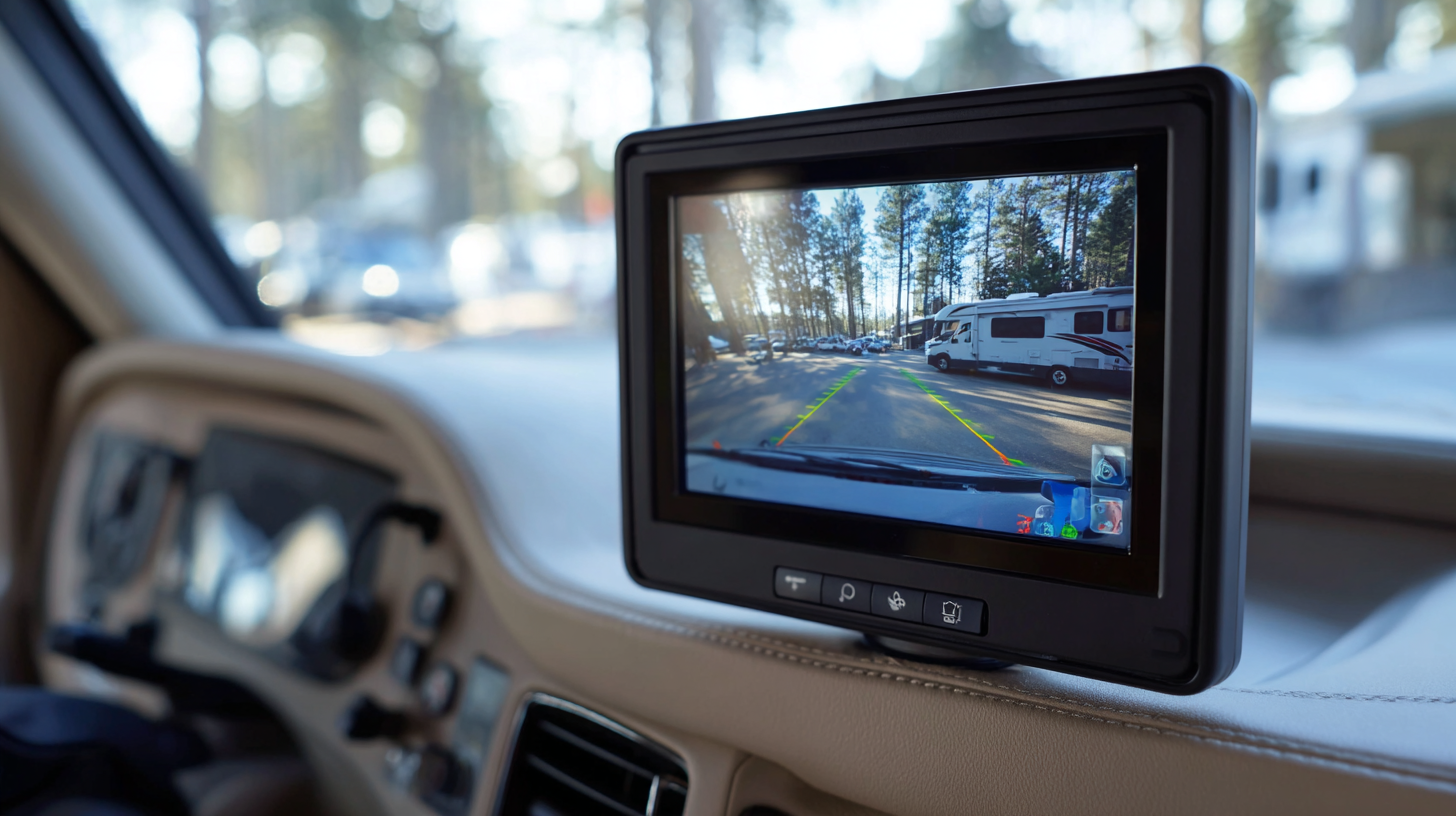
When selecting an RV backup camera monitor, user reviews play a crucial role in identifying the best options on the market. Many users emphasize the importance of screen clarity and size, as these factors directly affect visibility while reversing. A common recommendation among RV enthusiasts is a monitor with at least a 7-inch screen, offering ample real estate to display the camera feed. Additionally, users appreciate monitors with high-resolution capabilities that provide clear images in various lighting conditions, ensuring safety during both day and night driving.
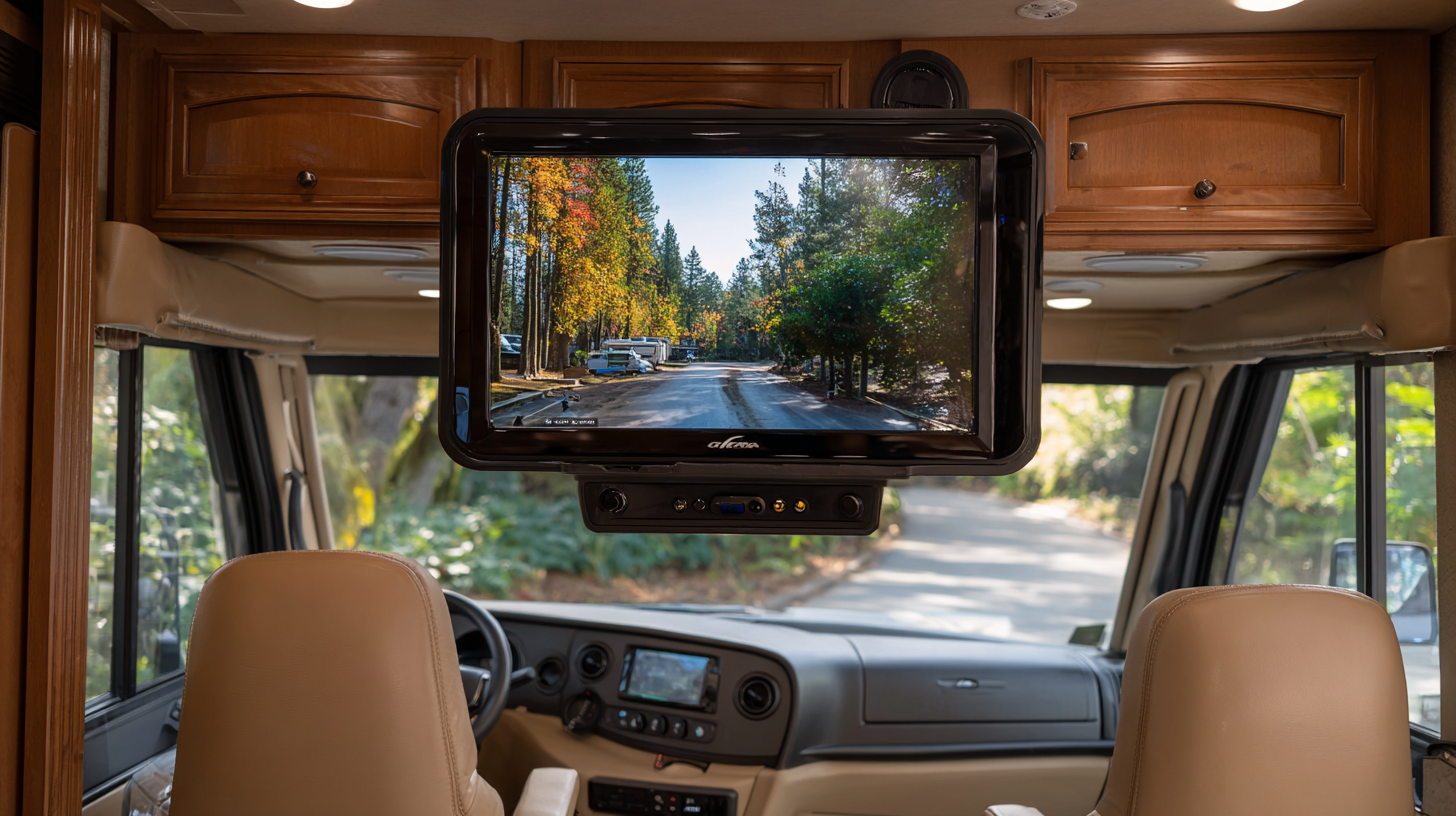
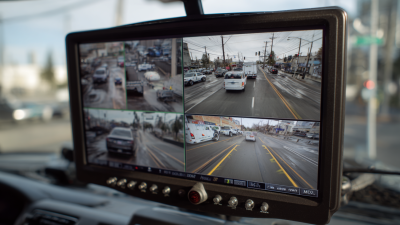
Another key aspect highlighted in user reviews is the ease of installation and use. Many recommend systems that come with straightforward wiring and mounting options, as these save time and reduce frustration during setup. Features such as split-screen functionality and multiple camera inputs are also frequently praised, enabling users to customize their monitoring experience. Ultimately, the best RV backup camera monitors combine user-friendly design with robust performance, ensuring peace of mind for travelers on the road.