Why Choose a Digital Backup Camera for Your Next Purchase?
In recent years, the automotive industry has seen a significant shift towards safety and technology integration. The demand for Digital Backup Cameras is on the rise. According to a 2020 study by the National Highway Traffic Safety Administration (NHTSA), rearview cameras can reduce backover accidents by over 30%. This statistic emphasizes the importance of such technology for driver safety.
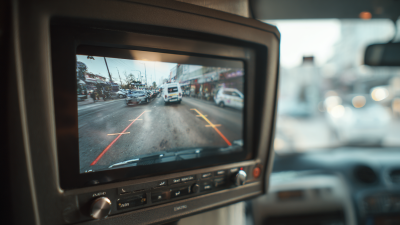
A Digital Backup Camera offers drivers a clearer view of their surroundings. With high-definition displays, these cameras provide enhanced visibility and depth perception. Many models feature guidelines, making parking and maneuvering easier. As more manufacturers incorporate these cameras into standard features, consumers are increasingly aware of their benefits.
However, not all Digital Backup Cameras are created equal. Some might offer blurry images or lagging video feed. It’s crucial to research and choose a reliable model. Investing in a high-quality Digital Backup Camera ensures better safety and enhances overall driving experience. Embracing this technology can potentially save lives and prevent costly accidents on the road.
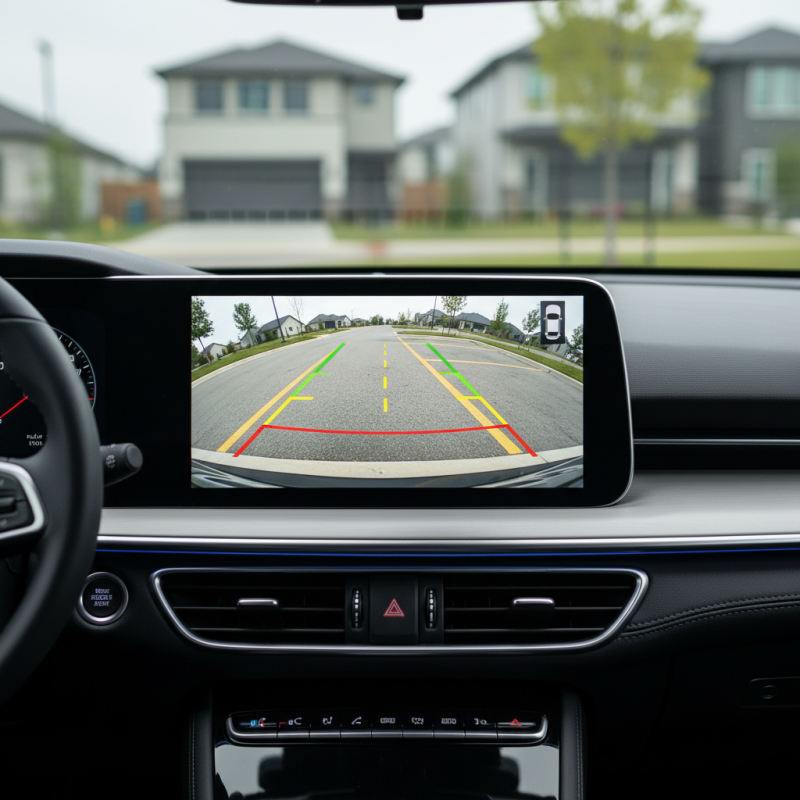
Benefits of Digital Backup Cameras Over Traditional Alternatives
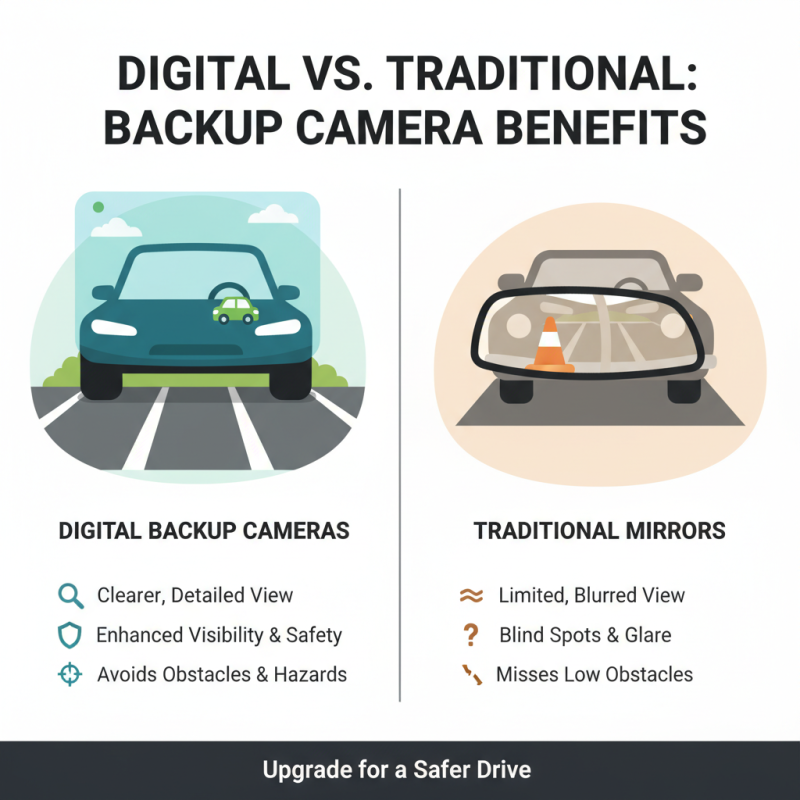
Digital backup cameras offer significant advantages over traditional alternatives. They provide a clearer, more detailed view of your surroundings. This enhanced visibility aids in avoiding obstacles and ensuring safe maneuvers. With a digital screen, drivers can see potential hazards that mirrors might miss. Such clarity is essential, especially in tight spaces or busy environments.
Another notable benefit is real-time guidance. Many digital backup cameras come equipped with grid lines to assist with parking. This feature helps users gauge distance more accurately. It reduces the risk of bumps and scratches. While traditional backup systems often rely on mirrors, digital cameras provide a full picture, literally. It fosters a sense of confidence, making backing up less stressful.
However, not all digital backup cameras are flawless. Picture quality can vary based on lighting conditions. Poor visibility during night time or heavy rain can be a concern. Despite their advantages, relying solely on technology may lead to complacency. It is essential to maintain awareness, as digital feeds can still miss some elements in the environment. Balancing technology with attentiveness is crucial for safe driving.
Key Features to Look for When Choosing a Digital Backup Camera
When choosing a digital backup camera, several crucial features can enhance your driving experience. First, consider the resolution and clarity of the camera. A higher resolution provides clearer images. Look for cameras that offer at least 720p HD quality. This ensures that you see everything behind you with sharp detail.
Another important aspect is the field of view. Cameras with a wider angle capture more of the area directly behind your vehicle. A 180-degree field of view is ideal for reducing blind spots. It allows you to spot obstacles more effectively. Pay attention to models with adjustable angles, as this can help in unique situations.
Tips: Always check for low-light performance. Many accidents happen in poor visibility conditions. A good backup camera should provide clear images even at night. Additionally, select a model that has a durable design. Exposure to heat and moisture can affect camera performance.
Finally, ease of installation matters. Some systems can be complex. Look for straightforward instructions or professional installation options. User-friendly interfaces can make a significant difference. While functionality is key, ensure it integrates well with your vehicle too. Prioritize features that truly enhance safety without overwhelming you.
How Digital Backup Cameras Enhance Driving Safety and Convenience
Digital backup cameras are revolutionizing driving safety and convenience. According to the National Highway Traffic Safety Administration (NHTSA), backup cameras can reduce backup accidents by up to 40%. This is crucial, especially in urban settings where visibility is often limited. By providing a clear view of what's behind the vehicle, these cameras help drivers avoid obstacles, pedestrians, and other vehicles.
Additionally, the Insurance Institute for Highway Safety (IIHS) reveals that models equipped with backup cameras have seen a notable decrease in insurance claims related to backing accidents. This technology not only enhances safety but also improves overall driving confidence. However, it's essential to remember that reliance on cameras should not replace traditional mirror checks. Distracted driving can still occur, and a backup camera does not account for all angles. Drivers must maintain awareness while using this valuable tool.
An increasing number of automatic emergency braking systems now work alongside backup cameras. This integration further enhances vehicle safety, especially for new drivers or those in busy environments. Although technology offers substantial benefits, it’s vital to understand its limitations. Regular maintenance and functionality checks are necessary to ensure these systems perform as intended. Ultimately, while digital backup cameras improve safety, they should be just one part of a complete safety strategy.
Cost Comparison: Digital Backup Cameras vs. Other Safety Technologies
When considering digital backup cameras, cost is a critical factor. These cameras can range in price but often provide more value than traditional safety technologies. For example, a simple rearview camera system may come at a lower initial cost. However, when factoring in installation and potential repairs, expenses can add up.
Digital backup cameras offer various features at competitive prices. Night vision, wide-angle views, and real-time feedback can enhance safety. These options may cost more upfront but can pay off in safety and convenience. In contrast, advanced sensors or radar systems might come with higher price tags and maintenance fees.
Budget should be a primary concern, but so should reliability. Investing in a digital backup camera could be wiser than other safety options. They tend to have fewer failures and offer better performance, making them suitable for daily use. However, some users might question if they truly need one. As technology evolves, what seems essential today may not be as critical in the future.
User Experiences: Real-World Benefits of Digital Backup Cameras
Digital backup cameras offer significant advantages in real-world situations. Many users share their experiences of enhanced safety and convenience. These cameras provide a clear view of blind spots. Drivers often feel more confident when reversing or parking. With the added perspective, the risk of accidents decreases.
Some users initially reported feeling uneasy about relying solely on technology. The concern stemmed from fears of camera failure or glitches. However, most found that this was not a significant issue. Regular maintenance ensures these devices work effectively. Personal accounts highlight how users notice more pedestrians and cyclists. This heightened awareness leads to better decision-making on the road.
The visual aid of a digital backup camera is undeniable. Many users appreciate the peace of mind it brings. Some still reflect on the learning curve involved. Adjusting to relying on a screen can take time. Yet, the benefits often outweigh the initial challenges. Backup cameras transform the driving experience, making it safer and more intuitive.
Benefits of Using a Digital Backup Camera