Why Choose a Wireless Backup Camera and Monitor for Safety?
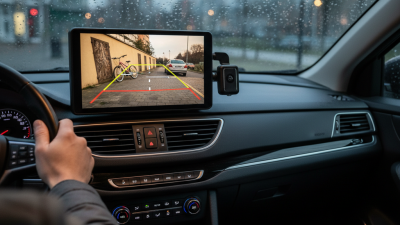
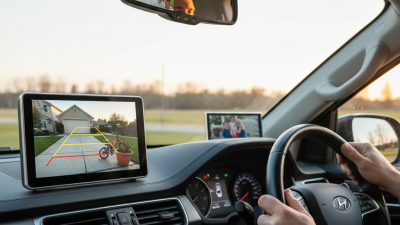
Driving can be a challenge, especially when reversing. Many accidents occur in parking lots and driveways. A Wireless Backup Camera and Monitor can significantly enhance safety during these moments. This technology provides a clear view of what’s behind you, reducing blind spots. It allows drivers to spot pedestrians, pets, and other objects that might not be visible through mirrors alone.
The ease of installation and use makes the Wireless Backup Camera and Monitor an appealing choice. Unlike traditional cameras, wireless systems eliminate the hassle of wiring. This convenience encourages more drivers to prioritize safety. Studies show that many drivers feel more secure with added visibility when reversing. However, relying solely on technology can lead to complacency. Drivers must still check their surroundings and use mirrors effectively.
Choosing a Wireless Backup Camera and Monitor is a step toward safer driving. It represents a blend of innovation and practicality. Yet, it’s crucial to remember that no system is foolproof. Humans are prone to errors, and this technology should complement cautious driving practices. Investing in safety equipment can lead to more confident driving experiences.

Benefits of Using a Wireless Backup Camera for Vehicle Safety
Choosing a wireless backup camera can enhance vehicle safety significantly. These cameras provide a clear view of the area behind your vehicle. This increases the chances of spotting obstacles that may not be visible through rearview mirrors. When reversing, blind spots can be perilous. A backup camera reduces these risks effectively.
The wireless aspect of these cameras makes installation easy. No complicated wiring is needed. This convenience allows users to set them up quickly without professional help. Furthermore, the technology has advanced to offer reliable image quality. Users benefit from real-time video that helps in navigating tight spaces or crowded areas.
However, there are limitations to consider. Wireless signals can sometimes face interference from environmental factors. This may affect the image transmission. Rain or fog can also impact visibility. While a wireless backup camera improves safety, it is not a complete solution. Drivers should still rely on their instincts and check mirrors. Safety is a combination of technology and awareness.
Benefits of Using a Wireless Backup Camera for Vehicle Safety
How a Monitor Enhances Driver Awareness and Avoids Accidents
Modern driving demands heightened attention to surroundings. A wireless backup camera is a valuable tool to enhance driver awareness. According to the National Highway Traffic Safety Administration, approximately 210 fatalities occur each year from backup accidents. This statistic underscores the importance of integrating advanced technology to improve safety.
A monitor connected to the wireless camera provides a clear view of blind spots when reversing. Studies show that drivers using backup cameras are 40% less likely to experience rear-end accidents. The quick access to real-time visuals can reduce hesitance and promote more confident maneuvering. When drivers can see what is behind them, they make better decisions in critical moments.
Additionally, the convenience of wireless systems allows for easier installation. Despite this, some drivers may reflect on the limitations of relying solely on technology. Real-world experiences highlight that cameras may not capture all obstacles, especially small children or pets. Using cameras in conjunction with traditional methods, like mirrors, ensures a more comprehensive awareness while driving. Ultimately, the aim is to create safer driving environments for everyone on the road.
Why Choose a Wireless Backup Camera and Monitor for Safety? - How a Monitor Enhances Driver Awareness and Avoids Accidents
| Feature |
Benefit |
Impact on Safety |
| Wireless Connectivity |
Eliminates the need for complicated wiring |
Reduces installation time and improves setup flexibility |
| Real-time Monitoring |
Provides live video feed while reversing |
Increases driver awareness of surroundings |
| Wide-angle View |
Captures more area behind the vehicle |
Helps in detecting obstacles and pedestrians |
| Night Vision |
Improves visibility in low-light conditions |
Enhances safety during night driving |
| User-Friendly Interface |
Easy-to-navigate controls and displays |
Reduces driver distraction while reversing |
Key Features to Consider When Choosing a Wireless Backup Camera
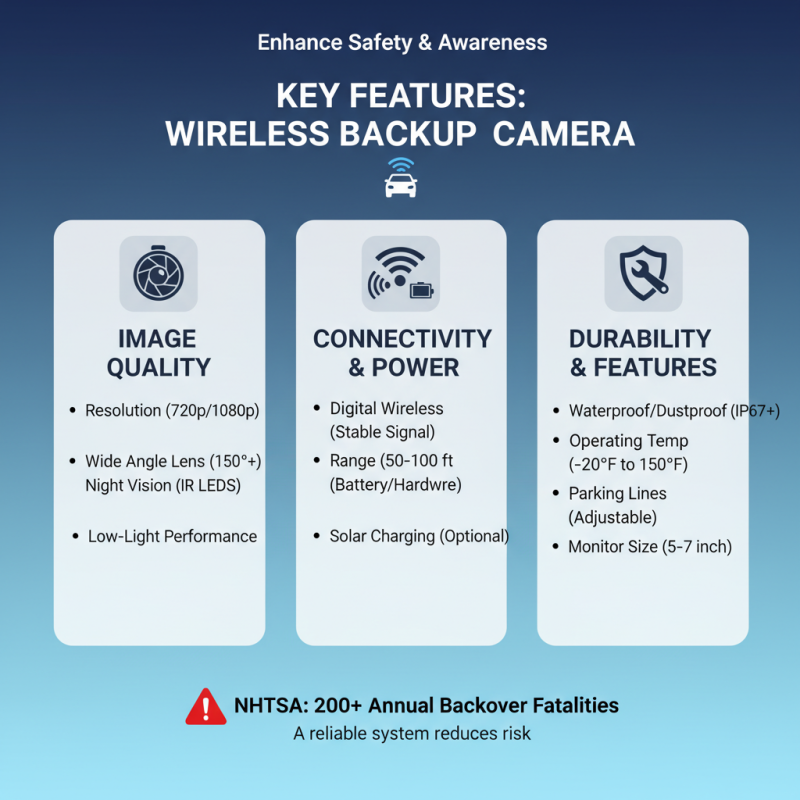
When considering a wireless backup camera and monitor, key features play a pivotal role in enhancing safety. According to a report by the National Highway Traffic Safety Administration (NHTSA), over 200 fatalities occur annually due to backover incidents. A reliable camera system can significantly reduce these risks.
Resolution is one aspect to consider. A camera with at least 720p HD resolution offers clear images. This clarity helps drivers spot pedestrians and obstacles easily. Wireless transmission is another critical feature. It minimizes cable clutter and simplifies installation. However, ensure the system has a robust signal to prevent interruptions during use.
Tips: Look for cameras with night vision capabilities for low-light conditions. This feature enhances visibility after sunset. Additionally, consider systems with parking guidelines. They provide visual aids for alignment during parking. Some users may find mounting options to be awkward, which can lead to blind spots. Ensuring proper positioning is essential for optimal performance.
Installation and Setup: Making the Most of Your Backup System
Installing a wireless backup camera can greatly enhance your driving safety. The setup process is relatively straightforward, but attention to detail is critical. Start by choosing the optimal mounting location for your camera. A spot near the license plate is often ideal. Ensure the camera has a clear line of sight without obstructions. Proper placement can significantly improve the camera's visibility and reliability.
Connecting the monitor is another crucial step. Locate a power source and consider running wires neatly along the vehicle's interior. Wireless models may reduce this hassle, but ensure they receive a strong signal. Testing the camera before finalizing the installation can save you time later. Check the angle and visibility during daytime and nighttime.
Don’t forget to regularly clean your camera lens. Dirt and debris can obstruct the view, making it hard to see obstacles. It’s a simple task that can be overlooked after installation. Remember, safety is an ongoing commitment, not a one-time setup. Always be prepared to make adjustments to improve your camera's functionality.
Real-World Applications and Testimonials: Enhancing Safety on the Road
Many drivers have shared their experiences with wireless backup cameras and monitors. These devices truly enhance safety by providing a clear view of blind spots. One driver recalled avoiding a potential accident while backing out of a parking space. The camera showed an unseen pedestrian walking behind his vehicle. This split-second decision made thanks to technology saved a life.
Real-world applications of these systems extend beyond personal vehicles. Delivery drivers appreciate how backup cameras help navigate tight spots. One driver mentioned, “It’s easier to spot obstacles in busy urban areas.” This is crucial for city driving where awareness can drastically reduce accidents.
However, reliance on technology must be balanced. Some users report occasional connectivity issues. Such moments can lead to frustration. Backup cameras are not foolproof; they should complement, not replace, traditional methods of checking surroundings. Drivers need to stay vigilant and aware, using all available tools for safety on the road.