How to Choose the Best Auto Rear View Camera System for Safety?
In today's fast-paced world, ensuring safety on the road is paramount. The use of an Auto Rear View Camera System has become a vital tool for drivers. According to the National Highway Traffic Safety Administration, backup accidents cause over 200 fatalities and 14,000 injuries annually in the United States alone. This alarming statistic underscores the importance of integrating such technology in vehicles.
Choosing the right Auto Rear View Camera System can significantly reduce these incidents. These systems offer enhanced visibility, which helps drivers detect obstacles or pedestrians behind them. A study from the Insurance Institute for Highway Safety reveals that vehicles equipped with backup cameras show a noticeable decline in backover accidents. However, not all systems are created equal.
When selecting a camera system, consider factors like image quality, installation ease, and compatibility with your vehicle. Many products on the market may lack the reliability you need. Conducting proper research and evaluating expert reviews can help avoid poor choices. Failing to invest in a quality system may leave you vulnerable on the road. Prioritizing safety with a dependable Auto Rear View Camera System is a decision that can save lives.

Understanding the Importance of Rear View Cameras for Vehicle Safety
Rear view cameras have become essential for vehicle safety. Statistics show that rear-end collisions account for about 29% of all accidents in the U.S. These often result in severe injuries and fatalities. The National Highway Traffic Safety Administration (NHTSA) reports that rearview cameras can significantly reduce the chances of such accidents. Their presence helps drivers detect obstacles that may be hidden from view.
Moreover, a study from the Insurance Institute for Highway Safety indicates that vehicles equipped with rear view cameras experience a 17% decrease in backing-related accidents. The technology enhances the driver's field of vision and aids in maneuvering in tight spaces. Nevertheless, it is crucial to remember that cameras should not be the sole reliance for rear visibility. Drivers must still check their surroundings carefully.
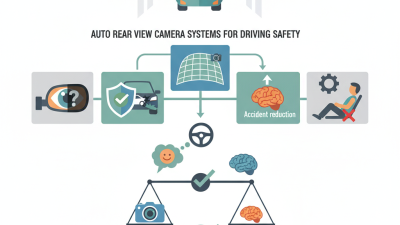
Not all rear view camera systems are equal, which often leads to confusion. Some systems offer only basic views, while others provide advanced features like alerts or higher resolution. Gaps in these technologies can cause overconfidence. Drivers may neglect traditional checks, putting themselves and others at risk. Balancing technology with vigilance is key for maximum safety.
Key Features to Consider When Selecting an Auto Rear View Camera System
Choosing the best auto rear view camera system revolves around critical features that enhance safety.
First, consider the camera's resolution. A higher resolution provides clearer images.
This clarity is crucial when reversing. Look for at least 720p quality for good exposure in different lighting.
Another important feature is the field of view. A wider angle allows for better visibility of blind spots.
Some systems offer up to 170 degrees, which is beneficial for monitoring cross-traffic.
If your vehicle has unique dimensions, assess how the camera's perspective fits your needs.
Tip: Test the system before purchase.
Some retailers provide demo units. Also, consider additional features like night vision and parking guidelines.
Night vision can be a game-changer in low-light situations.
Tip: Installation ease is vital.
Systems that can be easily wired or mounted save time and effort. Ensure you have a reliable installation guide.
Poor installation can lead to malfunction, which may affect your safety.
In the end, while advanced features are appealing, reflect on your driving habits.
Prioritize clarity and ease of use over flashy technology.
This approach will genuinely enhance your driving experience.
Industry Standards and Regulations for Rear View Camera Installation
When choosing a rear view camera system, it is crucial to understand the industry standards and regulations that govern installation. These standards are designed to ensure safety and reliability for all vehicle users. Compliance with the Federal Motor Vehicle Safety Standards (FMVSS) is essential for any installed camera system. This includes proper visibility in various conditions and adherence to specific performance criteria.
Proper installation is key. This often means positioning the camera within designated height and angle parameters. Proper calibration helps in delivering accurate visuals to the driver. Every vehicle has unique requirements, so consult with experts when necessary.
Tips: Always check if the camera system meets FMVSS requirements. This ensures safety and reliability. Keep installation instructions close, as they guide you through specific needs. Remember, regular maintenance is essential to ensure optimal performance. Dust and damage can impair camera functionality. Regular checks can help avoid unexpected issues.
Evaluating Image Quality and Field of View in Rear View Cameras
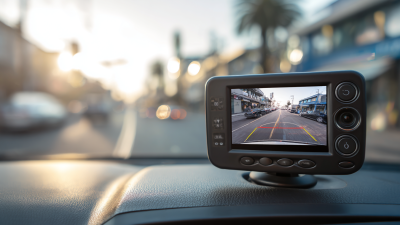
When selecting a rear view camera system, image quality is paramount. A clear picture can greatly enhance safety while reversing. Look for systems that offer high-resolution video. The clarity helps reveal obstacles hidden from your view. Night vision capability is also essential. Poor lighting can lead to accidents. Cameras with good low-light performance ensure you see clearly, even at dusk.
Field of view is another critical aspect. A wider angle can eliminate blind spots. It provides a better view of what's behind or beside your vehicle. Many systems offer a viewing angle between 120 and 180 degrees. However, too wide an angle may distort the image. Striking the right balance is vital for accurate perception.
Understanding how these features impact daily driving is key. Relying solely on camera technology can lead to complacency. Drivers must remain vigilant. Regular checks on the camera's functionality are important. Adjusting and cleaning the lens can prevent lapses in safety. By evaluating these factors, a reliable and effective rear view camera system can be found.
Cost vs. Safety Benefits: A Data-Driven Approach to Camera Systems
When considering an auto rear view camera system, it's essential to evaluate cost against safety benefits. Many drivers underestimate how these camera systems can prevent accidents. A reliable camera system offers numerous features. For instance, wide angles allow for better visibility of blind spots. This advantage can significantly reduce the likelihood of mishaps in crowded areas.
However, the initial investment in a high-quality system may seem steep. Budget-friendly options exist, but they often lack essential features. Some cheaper models provide grainy images or limited view ranges. This can lead to potential safety issues, creating a false sense of security. Investing wisely in a trusted system can enhance your overall safety on the road.
Data shows that vehicles equipped with rear view cameras experience fewer accidents. Yet, many still overlook this important technology. Ideally, drivers should balance their budget with the potential for improved safety. Understanding these factors can guide better decision-making. Don’t ignore the fundamental role that safety plays in your choices for driving.