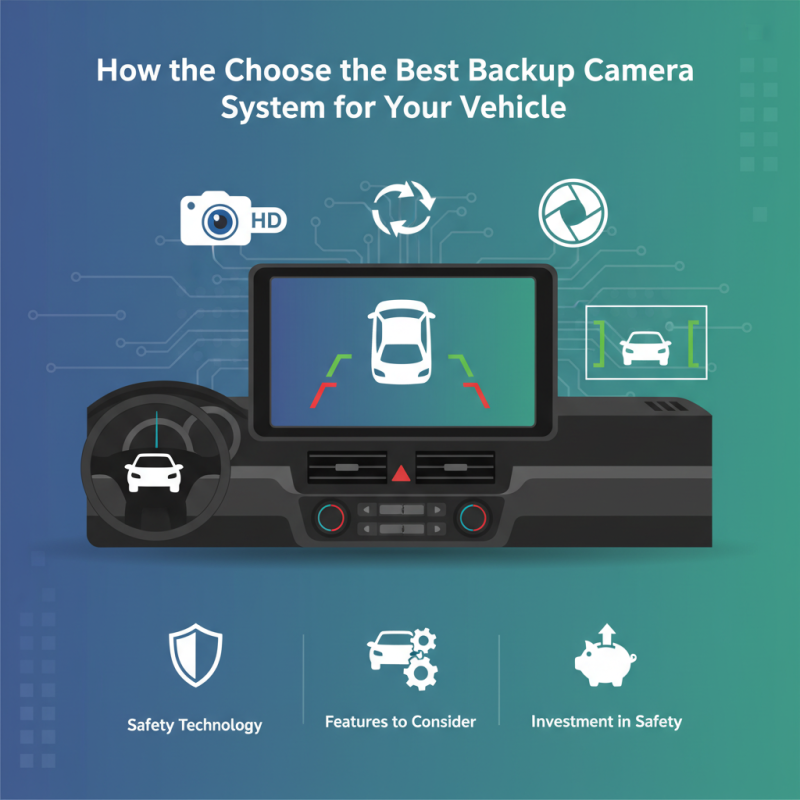
How to Choose the Best Backup Camera System for Your Vehicle
In recent years, the importance of safety technology in vehicles has transcended from luxury to necessity, particularly with the integration of Backup Camera Systems. According to a report by the National Highway Traffic Safety Administration (NHTSA), backup camera technology has been shown to significantly reduce the risk of accidents, with fatal backover incidents decreasing by 29% since the implementation of backup camera regulations in new vehicles. As a result, many vehicle owners are now seeking to equip their cars with aftermarket solutions that enhance visibility and minimize blind spots.
Selecting the best Backup Camera System for your vehicle can be a daunting task, particularly with the plethora of options available on the market. Research indicates that more than 9,000 injuries and 300 fatalities occur annually in the United States due to backover accidents, underscoring the crucial role these systems play in enhancing driver awareness. With various features such as video resolution, field of view, and parking guidelines to consider, it is essential for consumers to evaluate products based on their specific needs and the unique characteristics of their vehicles.
In light of these statistics and the evolving automotive landscape, equipping your vehicle with a reliable Backup Camera System is more than just an upgrade; it’s a vital investment in safety. This guide aims to simplify the selection process for consumers by outlining key considerations and the latest technology advancements available, ensuring you make an informed decision that ultimately leads to a safer driving experience.
Factors to Consider When Choosing a Backup Camera System for Your Vehicle
When choosing the best backup camera system for your vehicle, there are several key factors to consider to ensure you select a product that enhances your safety and driving experience. A primary consideration is the camera resolution; systems with higher resolutions, typically ranging from 720p to 1080p, provide clearer images, allowing drivers to spot obstacles or pedestrians more effectively. According to a report from the National Highway Traffic Safety Administration (NHTSA), visibility is a critical component in preventing accidents, and a superior image quality can improve detection rates by up to 40%.
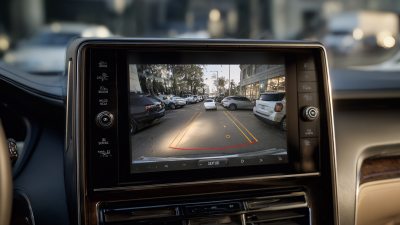
Another important factor is the field of view (FOV) that the backup camera offers. A wider FOV, ideally around 170 degrees, allows drivers to capture more of the area behind the vehicle, significantly reducing blind spots. The same NHTSA report highlights that vehicles equipped with a wide-angle backup camera system can decrease the risk of backover accidents by over 30%. Additionally, consider features such as night vision and augmented reality overlays, which can further enhance visual clarity and object recognition in low-light conditions.
Lastly, the ease of installation and compatibility with your vehicle are crucial. Many systems are designed for straightforward aftermarket installation, which can usually be completed without professional help. A study by Consumer Reports indicates that systems easily adapted to vehicles not only enhance user satisfaction but also encourage broader adoption of backup camera technology, leading to improved on-road safety overall.
Types of Backup Camera Systems: Wired vs. Wireless Options
When selecting a backup camera system for your vehicle, one of the most critical decisions you'll make is whether to go for a wired or a wireless option. Wired backup cameras tend to provide a more stable connection, ensuring that your video feed is clear and reliable. They connect directly to your vehicle's power supply and display unit, which can be beneficial if you're concerned about signal loss or interference. However, installation can be more complex, requiring drilling and routing wires through your vehicle.
On the other hand, wireless backup camera systems offer greater flexibility in terms of installation. They are easier to set up since they typically don't involve extensive wiring. This can be an appealing option for those who prefer a DIY approach or want to avoid potentially invasive installation methods. Keep in mind, though, that wireless systems can be more susceptible to interference from other electronic devices in your vehicle, which might affect video quality.
**Tips:** When choosing between wired and wireless backup cameras, consider your vehicle's specific needs and your comfort level with installation. If precision and reliability are priority, a wired system might be the way to go. However, if you value convenience and a cleaner installation, a wireless system could serve you well. Always read reviews and consider the range of the wireless signal before making your choice.
Camera Resolution and Field of View: Importance in Real-World Use
Choosing the right backup camera system for your vehicle is crucial for enhancing safety and convenience. Two key factors to consider are camera resolution and field of view, which play vital roles in the real-world functionality of your system. High-resolution cameras provide clearer images, making it easier to identify obstacles and narrow objects when reversing. A resolution of at least 720p is recommended for optimal clarity.
The field of view (FOV) is equally important, as it determines how much area you can see behind your vehicle. A wider FOV can help prevent accidents by capturing more of your surroundings, particularly in crowded spaces. Most systems offer a range between 120 to 180 degrees, but you should choose according to your typical driving environment.
Tips: When selecting a backup camera, ensure that the resolution and FOV fit your specific needs. If you frequently park in tight spaces, prioritize a system with a wider FOV. Additionally, test the camera in various lighting conditions to evaluate its performance, as visibility can change significantly during the day or night.
How to Choose the Best Backup Camera System for Your Vehicle - Camera Resolution and Field of View: Importance in Real-World Use
| Camera Resolution |
Field of View (FOV) |
Low Light Performance |
User Rating (out of 5) |
| 720p (HD) |
120 degrees |
Good |
3.9 |
| 1080p (Full HD) |
130 degrees |
Very Good |
4.5 |
| 1440p (2K) |
160 degrees |
Excellent |
4.7 |
| 4K (Ultra HD) |
180 degrees |
Outstanding |
4.9 |
Installation Process: DIY vs. Professional Installation Cost Analysis
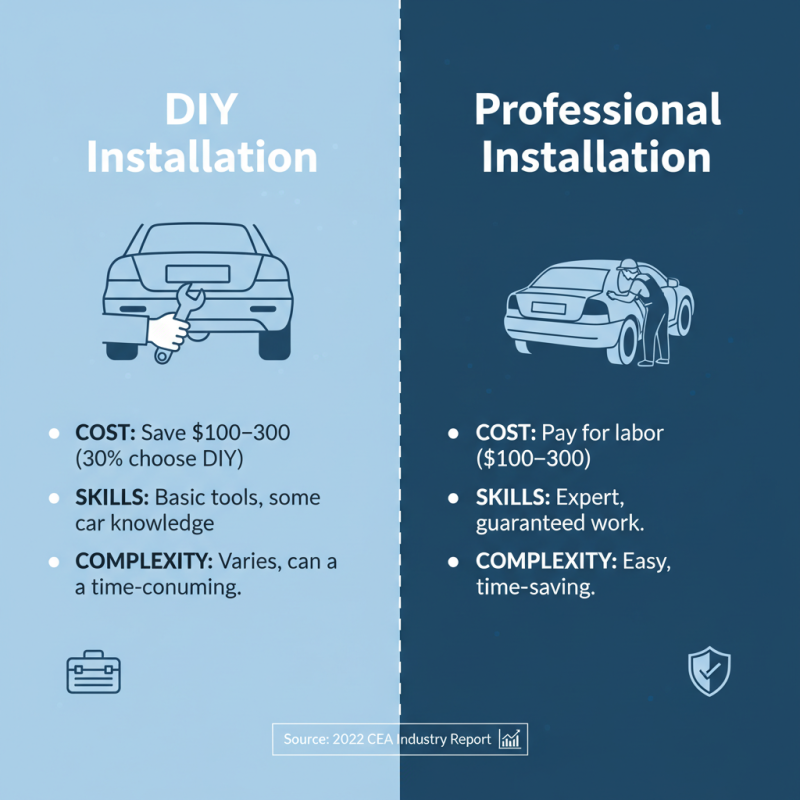
When considering the installation of a backup camera system, one of the key decisions revolves around whether to opt for a DIY installation or to hire a professional. Several factors influence this choice, including costs, skills, and the complexity of the installation process. According to a 2022 industry report from the Consumer Electronics Association, approximately 30% of consumers choose DIY installations to save on labor costs, which can range from $100 to $300 depending on the service provider and the vehicle type.
DIY installation may seem appealing, but it does require a certain level of technical skill and familiarity with automotive electronics. Research indicates that while DIY installation can be completed in under two hours by someone with basic technical knowledge, approximately 40% of people who attempt it encounter difficulties that lead to malfunctioning systems or incomplete setups. On the other hand, hiring a professional not only ensures proper installation but can also include warranty protection and customer support, which adds value to the service. With professional installation costs averaging around $200, it offers peace of mind for vehicle owners prioritizing safety and functionality in their rear visibility systems.
Ultimately, the choice between DIY and professional installation should consider not only financial implications but also the potential for future headaches due to poor installation. With vehicle safety being paramount, investing in professional help might be worthwhile, aligning with the increasing consumer trend observed in a 2023 automotive safety report, which highlighted that improper installation is a leading factor in system failures post-purchase.
Additional Features to Enhance Safety: Night Vision, Alerts, and More
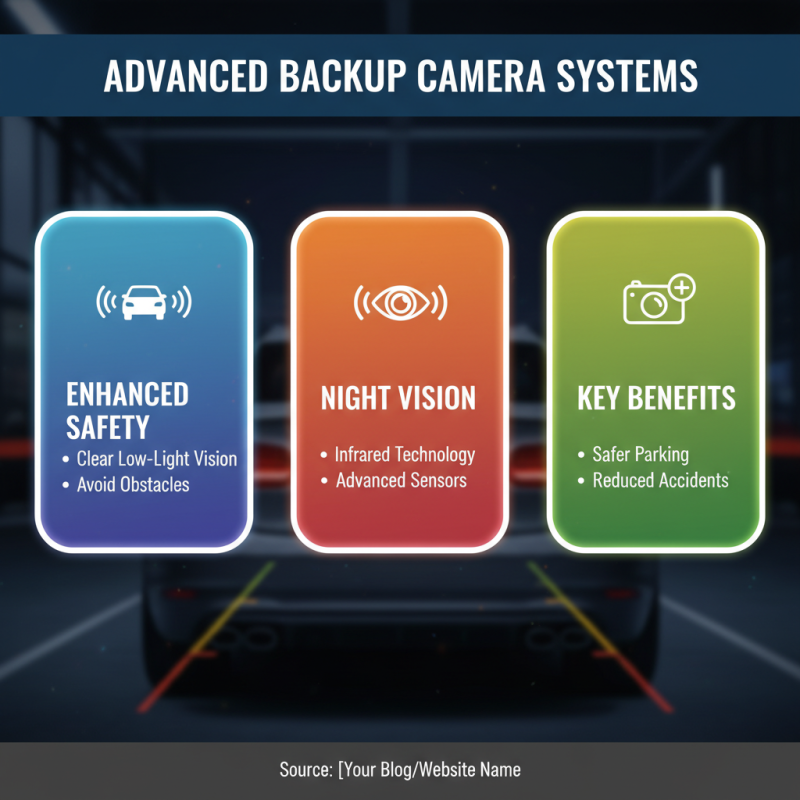
When selecting a backup camera system for your vehicle, it’s essential to consider advanced features that can significantly enhance safety. Night vision capabilities are particularly valuable, enabling clear visibility in low-light conditions. This feature typically involves infrared technology or enhanced sensors that provide detailed images even when it’s dark outside, helping drivers avoid obstacles that might not be visible through standard viewing methods.
In addition to night vision, many modern backup camera systems offer alert functions that further enhance safety. These alerts can notify drivers of nearby pedestrians, obstacles, or vehicles when reversing, significantly reducing the chances of accidents. Some systems utilize proximity sensors or motion detection technology to provide real-time alerts, ensuring that drivers have the necessary information to make informed decisions while maneuvering their vehicle. By prioritizing these features, drivers can choose a backup camera system that not only improves their rear visibility but also adds an extra layer of security on the road.