How to Choose the Best Backview Camera for Your Car?
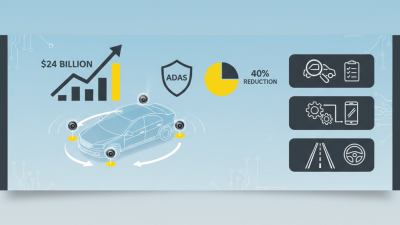
In today's automotive world, the Backview Camera is an essential safety feature. Research indicates that vehicles equipped with backview cameras can reduce reverse-related accidents by up to 40%. This statistic highlights the importance of making an informed decision when selecting a backview camera for your car.
Choosing the right backview camera requires careful consideration. Factors like resolution, field of view, and ease of installation can make a significant difference. A camera with high resolution provides clearer images, while a wider field of view improves overall visibility. However, not all models offer the same quality or features. Some options may lack durability or reliability in various weather conditions, leading to potential frustrations.
Price is another critical element. It's tempting to choose the cheapest option, but this can result in poor performance. Investing in a good camera often pays off in enhanced safety. However, it's crucial to balance quality and budget. Reflecting on these factors can guide you in selecting a backview camera that meets your needs effectively.
Understanding the Importance of a Backview Camera for Your Car
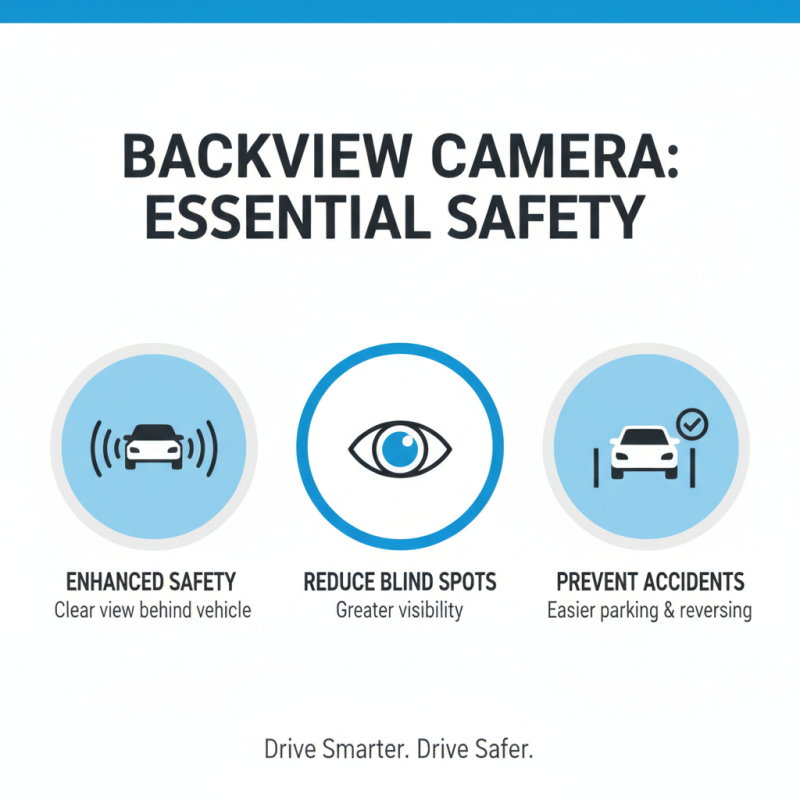
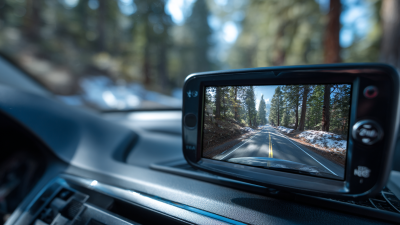
A backview camera is essential for modern vehicles. It enhances safety, providing drivers with a clear view of what's behind them. This feature greatly reduces blind spots. Many minor accidents can occur in parking lots or tight spaces. A backview camera helps prevent these mishaps. The clear visuals allow for better judgment when reversing.
Drivers often overlook the importance of this feature. Some may think it is just an accessory. However, its value becomes evident when avoiding obstacles or low-hanging objects. Imagine a child or pet suddenly appearing in the vehicle's path. That immediacy underscores the need for awareness while driving.
Choosing the right backview camera can be challenging. It’s important to consider resolution and field of view. Some cameras may distressingly provide grainy footage. Others might lack a wide-angle lens, resulting in missed details. A clear understanding of these aspects leads to a better driving experience. Reflect on your driving habits. Do you often drive in crowded areas? If so, a reliable backview camera should be a priority.
Key Features to Look for in a Backview Camera
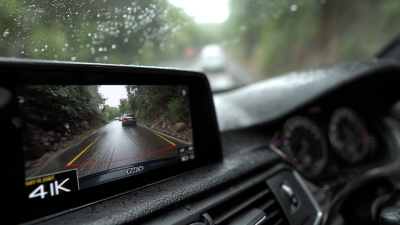
When selecting the best backview camera for your car, focus on key features that enhance safety and convenience. Resolution is crucial. A camera with high resolution provides clear images. This clarity helps in avoiding obstacles while reversing. Look for a model with at least 720p resolution. Night vision capability is another important aspect. Cameras that perform well at night allow you to see clearly in low light.
Field of view makes a difference, too. A wide-angle lens offers a broader view of your surroundings. This feature can help you spot pedestrians or obstacles that are not visible in traditional rearview mirrors. Think about durability as well. Cameras that are weatherproof and resistant to extreme temperatures last longer.
Additionally, consider installation processes. Some cameras are straightforward, while others may require professional help. Check if the model includes all necessary accessories. A complicated installation can be frustrating. User reviews are invaluable; they can reveal common issues, such as unclear images or connectivity problems. Always make an informed choice by weighing these factors carefully.
Assessing the Different Types of Backview Cameras Available
When selecting a backview camera, consider various types available. There are wired and wireless options. Wired cameras are reliable, but installation may be complex. Wireless models are easier to install but can experience interference.
It’s essential to assess resolution and field of view. A camera with high resolution offers clearer images. A wide field of view enhances safety, allowing you to see more of what’s behind you.
Tips: Try to test the camera in different lighting conditions. Night visibility can vary widely among models. Consider placement options too; a poorly positioned camera can lead to blind spots. Reflect on your needs. Do you frequently back into tight spaces? Choose a wider-angle lens. If you often park in dim areas, prioritize low-light performance.
Evaluating Camera Quality: Resolution and Night Vision
When choosing a backview camera, camera quality is crucial. One of the first things to look for is resolution. A higher resolution means clearer images. This clarity helps when reversing or parking. Low-resolution cameras might provide grainy footage, making it hard to see obstacles. You want a camera that captures details effectively. Look for options that offer at least 720p resolution. This standard typically meets most drivers' needs.
Night vision is another important feature. Many accidents happen in low light. A good backview camera should perform well at night. Look for models with infrared capabilities. Cameras with these features can illuminate dark areas without harsh lighting. A poorly performing camera can leave you vulnerable at night. Sometimes, users find that the advertised night vision does not meet expectations. Test out night vision features before committing. Strong night vision can enhance safety significantly.
Installation Tips and Best Practices for Backview Cameras
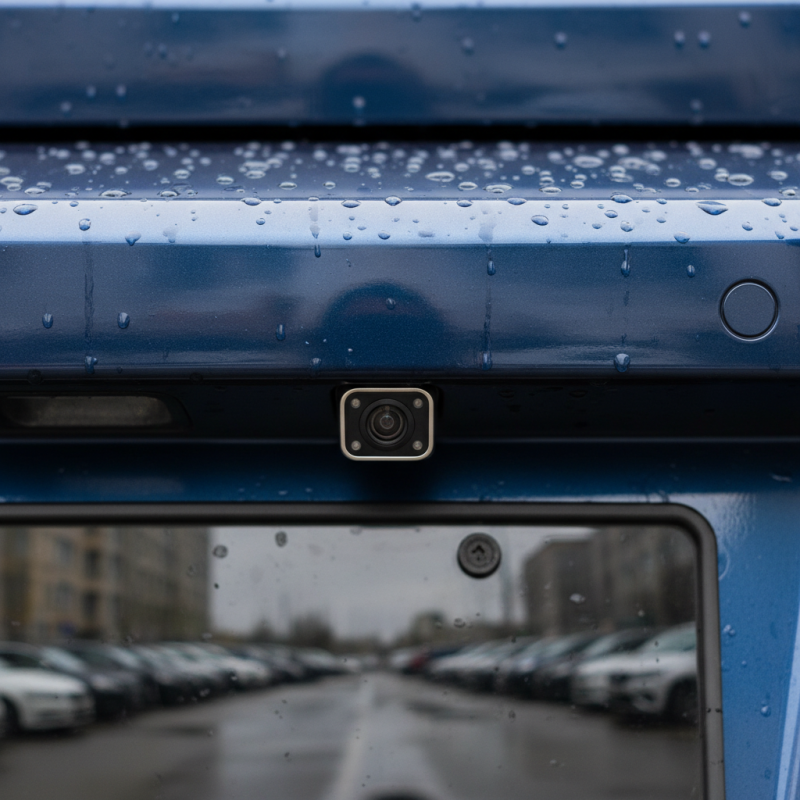
When installing a backview camera, placement is crucial. A common mistake is to mount it too high. This can lead to poor visibility. Ideally, the camera should be positioned at or near the car's license plate. This height will provide a clearer view of the area behind the vehicle.
Another tip for installation is to ensure the camera lens is clean. A dirty lens can significantly affect image quality. Make it a habit to check it regularly. Wiring is also important. Hide the wires neatly to prevent damage. Use zip ties to secure them firmly.
Testing the camera after installation is essential. It's easy to miss issues if you skip this step. Review the images to ensure clarity and check for blind spots. Look for distortions in the view that can affect safety. These small adjustments can make a huge difference in performance. Remember, a well-installed camera enhances your driving experience.
Backview Camera Features Comparison