How to Choose a GPS System with Backup Camera for Your Vehicle?
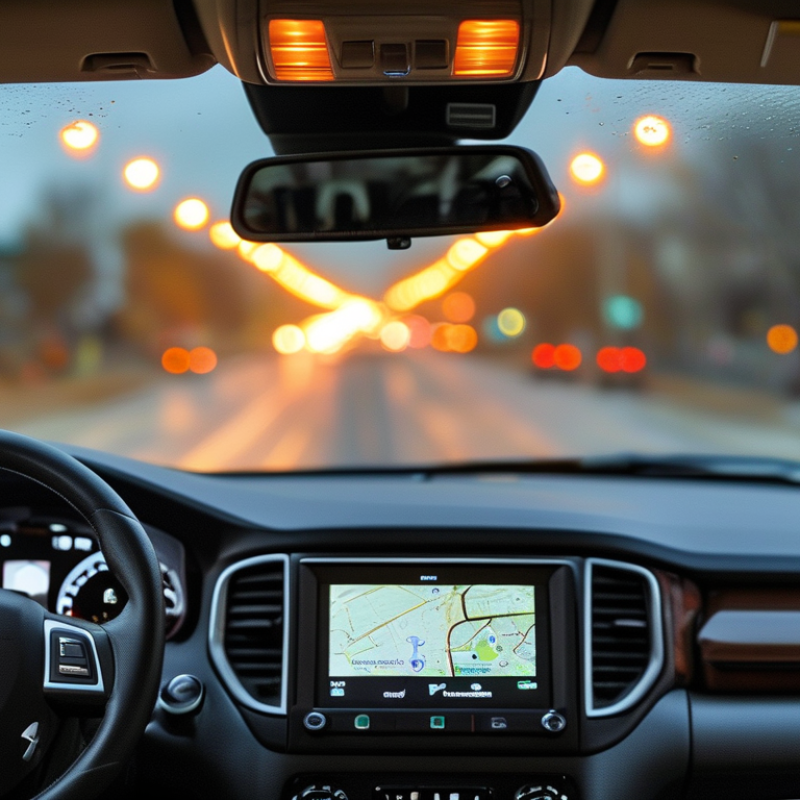
Choosing the right GPS system with backup camera for your vehicle is essential. This decision impacts safety, navigation, and driving experience. A high-quality GPS system can enhance your awareness on the road. It can help you avoid obstacles and improve parking accuracy.
When selecting a GPS system with backup camera, consider various factors. Look for features that meet your specific needs. Some systems offer real-time traffic updates, while others focus on user-friendly interfaces. Quality matters too; not all products are equally reliable. Read reviews to evaluate performance and durability.
Expect to reflect on your preferences. A more expensive system may not always be better. Think about what functions you truly need. Finding the right balance between features and price is crucial. Your choice can greatly affect your daily driving routine.
Understanding the Benefits of GPS Systems with Backup Cameras
Choosing a GPS system with a backup camera can significantly enhance driving safety. Research indicates that rear visibility issues contribute to nearly 60% of backing-related accidents. This alarming statistic emphasizes the value of integrating these technologies. A combined GPS and backup camera system not only provides navigational guidance but also improves safety during maneuvers.
Installing a GPS system with a backup camera changes how drivers engage with their vehicles. The visual aid from the backup camera helps eliminate blind spots, making reversing safer. According to a study by the National Highway Traffic Safety Administration, vehicles equipped with rearview cameras reduce the likelihood of accidents by approximately 30%. This benefit extends to both personal and commercial vehicles.
However, selecting the right system can be complex. Not all GPS units offer the same camera quality or integration capabilities. Some might have delayed imaging or unclear visuals, which undermine their effectiveness. It's crucial to evaluate the specifications of potential systems. User reviews and professional assessments provide valuable insights but are sometimes inconsistent. Therefore, thorough research from credible sources can guide consumers toward a more informed choice.
Key Features to Look for in a GPS System with Backup Camera
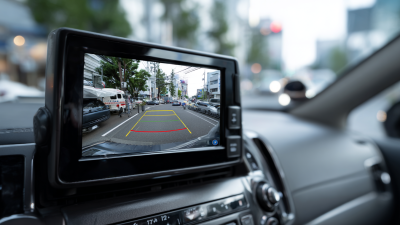
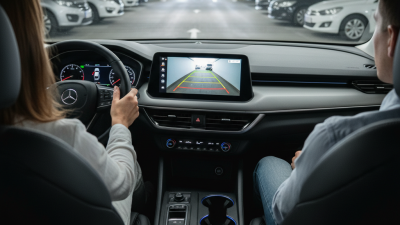
When selecting a GPS system with a backup camera, there are several key features to consider. A high-resolution display is essential for clear visibility. Look for systems that offer touchscreen controls. This makes navigation easier, especially while driving. Additionally, consider the quality of the backup camera. A wide-angle lens can enhance your field of view. Night vision capability can also be a crucial factor for safer reversing in low light.
Another important feature is real-time traffic updates. These updates can help you avoid roadblocks or accidents. Look for systems that integrate with smartphone apps for convenience. A reliable GPS system should have user-friendly software. Easy map updates are also critical. Check for regular updates to ensure accuracy.
Tips: Always read user reviews to gauge reliability. Installation matters too; some systems are tricky to set up. If you’re unsure, consider professional installation. Lastly, don’t ignore customer support. Access to assistance can be invaluable for troubleshooting. Choosing the right GPS and camera combo takes time. Reflect on your needs; prioritize the features that matter most to you.
Comparing Different Brands of GPS Systems with Backup Cameras
When selecting a GPS system with a backup camera, it's essential to compare various brands. Each brand has unique features that cater to different driving needs. Look for systems that offer real-time navigation along with high-resolution camera feeds. Image clarity matters, especially in low-light conditions.
Some brands provide integrated features like lane assistance and collision warnings. These can enhance safety while reversing. However, not all systems excel in every aspect. Some may have outdated maps or slow response times. This inconsistency is worth considering before making a purchase.
Reliability is another crucial factor. Investigate user reviews and expert opinions. Brands with strong customer service tend to build trust. A good warranty can also indicate the manufacturer’s confidence in their product. Reflect on whether the additional features are necessary for your daily driving. Balancing needs and budget is often a challenge, yet it is vital for a satisfactory choice.
Installation Options for GPS Systems with Backup Cameras
When considering installation options for a GPS system with a backup camera, it's crucial to think about your vehicle type. Some vehicles have specific spaces designed for these systems. Check your car’s manual. It often provides insights on installation.
Wiring is another key component. Many options require running wires through the vehicle. This step can get complicated. In some cases, you might need to remove panels. Make sure to consult professionals to avoid damaging your vehicle. Each installation journey is unique. Reflect on your skills and comfort level before starting.
Mounting locations for the camera vary. Some prefer the rear license plate area while others opt for higher on the vehicle. Placement affects visibility significantly. Test different positions to find the best angle. Ultimately, having a backup camera should enhance your driving experience. Ensure that you keep the lenses clean for optimal performance.
Budget Considerations When Choosing a GPS System with Backup Camera
When selecting a GPS system with a backup camera, budget is a key factor. Prices for these systems can vary widely. You might find basic models for less than $100. More advanced systems, with better features, can exceed $500. Assess what you truly need before spending.
Consider long-term investments. A cheaper option might save money upfront. However, it might lack durability or features. For example, some models may offer a clear display but have poor navigation accuracy. Reflect on how often you use your vehicle for long trips. Investing more in a reliable system could enhance your driving experience.
Think about installation costs, too. Some units are easy to install, while others require professional help. Installation fees can add up. Factor these into your total budget. Look for user reviews on affordability and usability. Real-world experiences can shed light on your choices. Keep in mind that not all expensive systems guarantee quality. Balancing your budget with your needs is essential. Aim to find that sweet spot where quality meets affordability.