How to Choose the Best Wireless Parking Camera for Your Car?
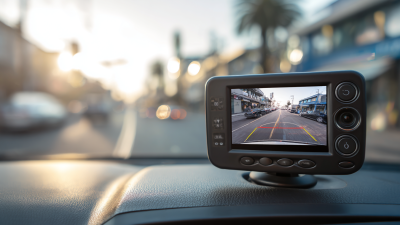
Choosing the right Wireless Parking Camera can be a daunting task. With numerous options available, it’s easy to feel overwhelmed. A good parking camera can enhance your driving experience and improve safety.
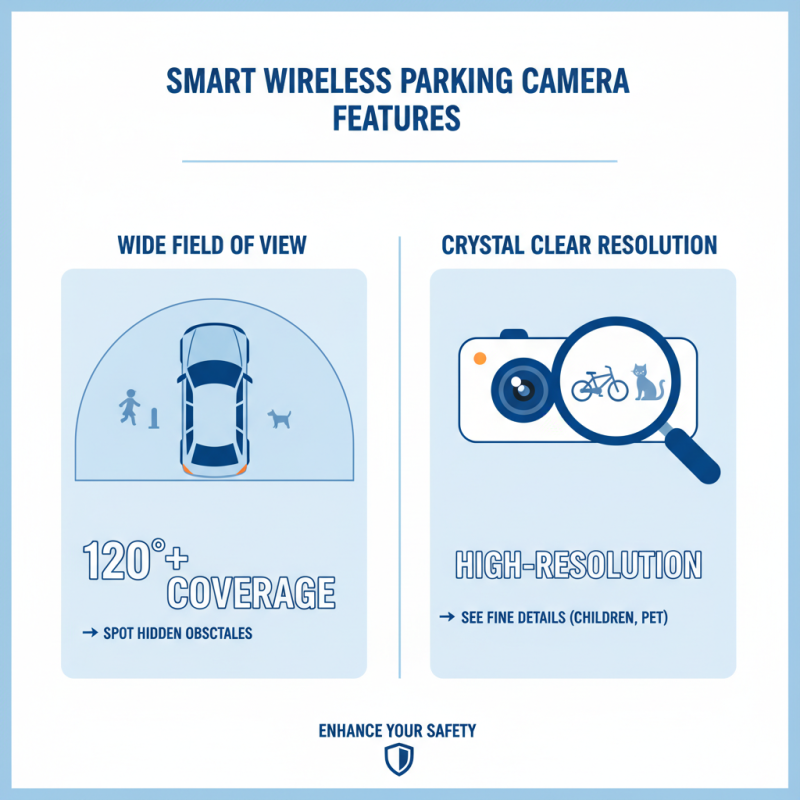
Consider the features that matter most. Some cameras offer night vision. Others provide high-definition video. Look for a model with a wide-angle view. This can help you see more of your surroundings. Image quality is essential, but installation is also a key factor. Easy installation can save you time and hassle.
Price can be misleading. Cheaper cameras may lack vital features. Conversely, expensive models are not always the best. Read reviews and compare different products. Take note of common praise and complaints. The best Wireless Parking Camera will meet your needs and fit your budget. A well-chosen camera could improve your parking skills significantly. However, even the best devices have limitations. Reflect on what works for you.
Understanding the Basics of Wireless Parking Cameras for Cars
Wireless parking cameras are becoming essential accessories for modern vehicles. They enhance safety and convenience while parking. According to a report by the National Highway Traffic Safety Administration, around 200 lives could be saved annually with better rear visibility systems. This highlights the importance of effective parking aids.
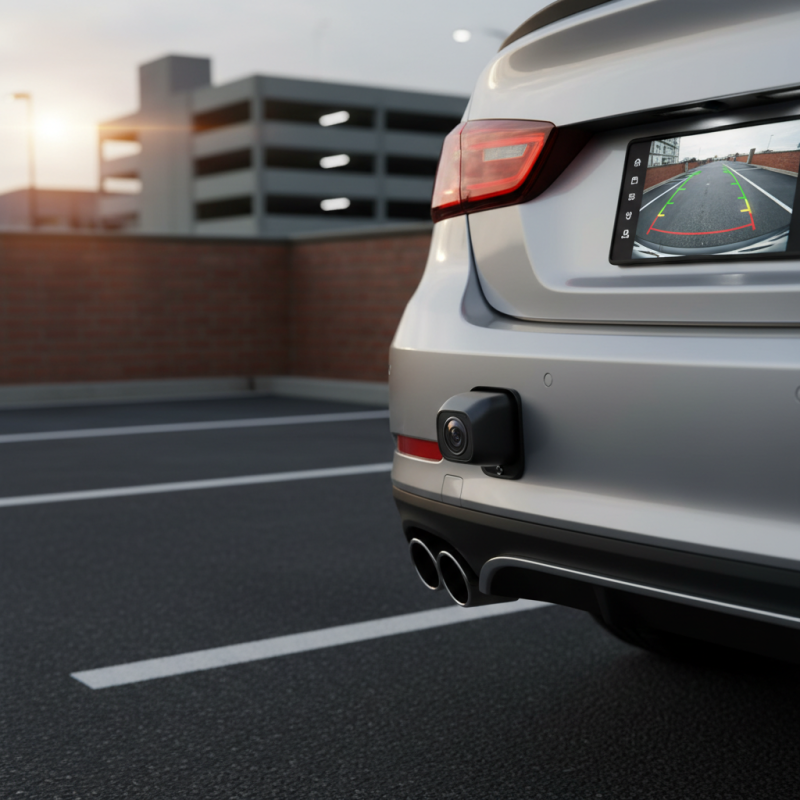
Understanding the basics of these cameras is crucial. A typical wireless parking camera includes a camera, transmitter, and receiver. The camera captures the view behind your vehicle. It sends this data wirelessly to a receiver connected to your display. Some systems boast HD video quality, which improves clarity. Yet, many users report issues with signal interference. Obstacles like trailers or thick walls can disrupt the camera's communication.
It's also essential to consider the camera's battery life. Some models drain quickly, requiring frequent recharges. Others might experience lag in image transmission, causing delays. Factors like installation and integration with your car's system can also create challenges. Not every camera is compatible with all vehicles, leading to installation headaches. Understanding these nuances will help you choose the best option for your needs.
Wireless Parking Cameras Features Comparison
This chart displays the comparison of various features of wireless parking cameras based on user reviews and common specifications, helping you to make an informed decision when choosing the best one for your car.
Evaluating Image Quality and Night Vision Capabilities
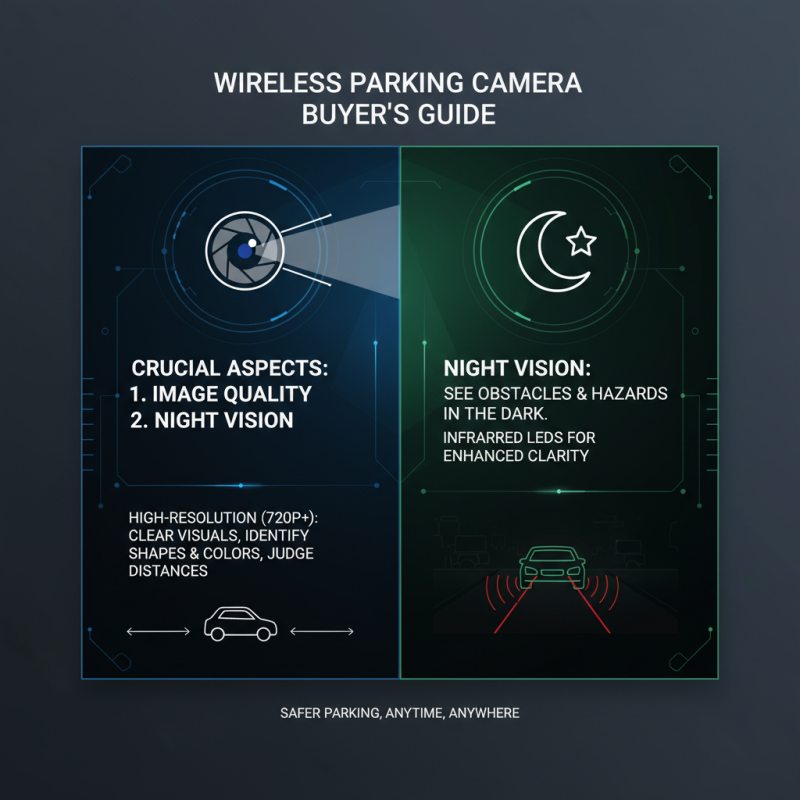
When choosing a wireless parking camera, image quality and night vision are crucial aspects. A good camera should provide clear visuals, allowing you to see obstacles and potential hazards. Look for high-resolution cameras that offer at least 720p quality. This clarity helps in identifying not just shapes but also colors, making it easier to judge distances.
Night vision capabilities are also significant. Many cameras boast infrared technology for nighttime use. This feature allows you to park safely, even in low-light conditions. However, some cameras may struggle with glare or reflections. It's essential to assess how well a camera performs during various lighting conditions. You might notice that even some advertised night vision options underperform, leaving you wanting better visibility.
While testing options, experiment in different environments. Park in a dimly lit area to see how the camera handles low light. Take note of the image stabilization features too. The goal is to find a camera that combines both clarity and adaptability. With careful research, you can avoid the pitfalls of poor image quality and ineffective night vision.
Installation Process and Compatibility with Your Vehicle
When choosing a wireless parking camera, compatibility with your vehicle is crucial. Not all cameras fit every car model.
Research is needed before making the purchase. Compatibility issues can lead to frustrating installation processes.
Check your vehicle’s manual for specifications. Some cameras may require additional wiring or adapters.
The installation process can be simple or complicated. Many wireless cameras come with detailed manuals. Consider your skills before starting.
If you are not confident, seek professional help. A poorly installed camera can lead to poor performance.
Ensure the camera is positioned correctly for optimal viewing angles. It should provide a clear view of the rear without obstructions.
Keep in mind that some vehicles have built-in systems. These may complicate the installation of an aftermarket camera.
Reflect on this aspect before making your choice. Proper alignment is essential.
If the camera is misaligned, it could lead to accidents. Take time to measure and adjust. Even small errors can result in significant challenges.
Budget Considerations: Finding the Right Value for Your Needs
When selecting a wireless parking camera, budget is a critical element. A recent industry report indicates that the average price range for quality systems is between $100 to $300. It is vital to identify your specific needs before making a decision. More expensive models often feature advanced technology, such as enhanced night vision and wider angles. However, these features may not be necessary for everyone.
Consider the trade-offs. Cheaper models can be appealing, but they often sacrifice image clarity and durability. Statistics show that around 30% of lower-priced cameras fail within the first year, leading to additional replacement costs. Finding a balance that offers good performance without emptying your wallet can be challenging, yet essential. It's crucial to read user reviews and check for warranties to avoid potential pitfalls.
Additionally, think about installation costs. Some budget-friendly cameras require professional installation, adding to the total expense. DIY options are available, but they may involve a learning curve. It’s important to weigh these factors and reflect on your long-term needs. The right choice may not always be the most affordable one, but rather the one providing the greatest value over time.