Digital Rear View Camera Tips for Safe Driving and Installation?
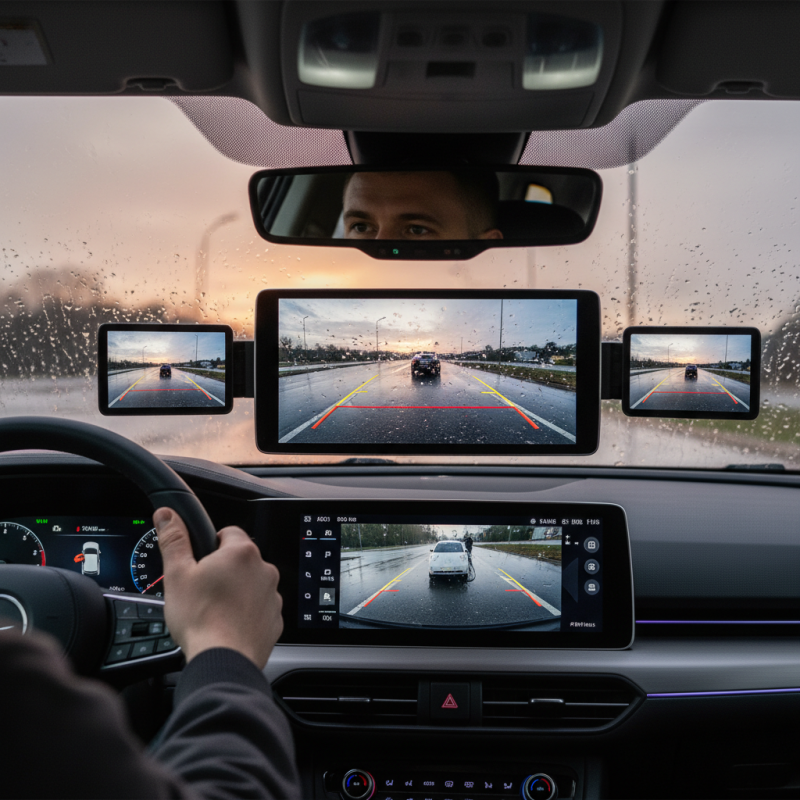
In recent years, the Digital Rear View Camera has transformed how we perceive safety while driving. This technology provides drivers with a clearer perspective of their surroundings. It significantly reduces blind spots, making reversing and parking safer. However, installation and usage come with challenges.
Drivers often underestimate the importance of proper camera positioning. If not installed correctly, the camera may miss crucial areas. A misleading angle can lead to dangerous situations. Small distractions can turn into big problems. Users must take time to familiarize themselves with the system’s features.
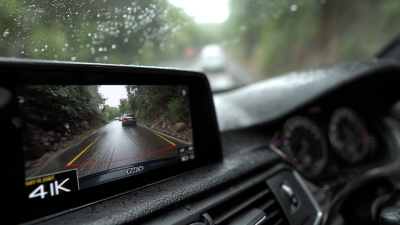
Furthermore, digital cameras can sometimes fail in adverse weather conditions. Ensuring proper maintenance is vital. Regular checks can prevent malfunction during critical moments. The Digital Rear View Camera is a remarkable tool, but it requires responsibility and attention to detail for optimal performance.
Understanding the Importance of Digital Rear View Cameras in Safety
In recent years, the digital rear view camera has become essential for safe driving. According to the National Highway Traffic Safety Administration (NHTSA), a significant number of accidents occur during parking maneuvers. Studies show that vehicles equipped with rear cameras can reduce those incidents by almost 50%. This technology provides a clear view of the area behind a vehicle, helping drivers avoid accidents.
Installing a digital rear view camera offers more than just a visual aid. It can help with depth perception, which is often a challenge for drivers. Many users report feeling more confident while reversing. However, not all installations are executed perfectly. Improperly angled cameras can create blind spots. A misaligned camera might provide false security, leading to potential hazards.
Furthermore, some drivers may become overly reliant on these cameras. This can lead to inattentiveness. It's crucial to remember that using mirrors should never be neglected. Awareness of surroundings is vital. When combined with careful driving, digital rear view cameras greatly enhance safety. However, reflection on their effective use is necessary. Balancing technology with traditional driving skills is key to ensuring safety on the road.
Key Features to Look for When Choosing a Digital Rear View Camera
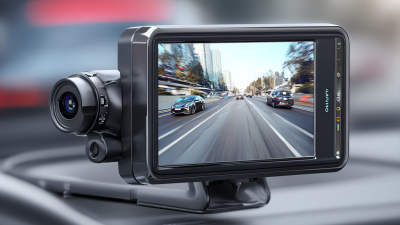
When choosing a digital rear view camera, consider clarity. A high-resolution image is crucial. Look for cameras that offer at least 1080p resolution. This helps you see objects clearly. Night vision features can improve safety during low-light conditions. Always ensure the camera has a wide viewing angle. A wider view reduces blind spots.
Installation is another key area. Proper alignment is important for effectiveness. Take your time during the installation process. Avoid rushing, as misalignment could lead to dangerous situations. Test the camera after installation to check its performance. Adjust as necessary.
For safe driving, ensure your camera is easy to operate. Intuitive controls make a difference. Remember to clean the camera lens regularly. Dirt can obstruct your view. Be mindful of the environment where you park. Obstacles might not be visible through the screen. Always double-check before maneuvering your vehicle.
Digital Rear View Camera Tips for Safe Driving and Installation
| Feature |
Description |
Importance |
| Image Quality |
High resolution (1080p or higher) for clear visibility. |
Essential for identifying obstacles and for safe maneuvering. |
| Field of View |
Wide angle lens (at least 120 degrees) to minimize blind spots. |
Crucial for safe lane changes and reversing. |
| Night Vision |
Infrared or low-light capabilities for night driving. |
Enhances visibility in poor lighting conditions. |
| Durability |
Waterproof and shockproof design for reliability. |
Important for long-term performance in varying conditions. |
| Ease of Installation |
User-friendly installation process or professional guidance. |
Directly impacts the usability and effectiveness of the camera. |
| Connectivity |
Wireless options for easier setup and less clutter. |
Enhances convenience and installation flexibility. |
Step-by-Step Guide to Installing a Digital Rear View Camera
Installing a digital rear view camera can significantly enhance driving safety. A study by the National Highway Traffic Safety Administration revealed that backup cameras can reduce rear-end collisions by up to 40%. This statistic underscores the value of quality installation. Ensuring proper placement and connection is vital for optimal performance.
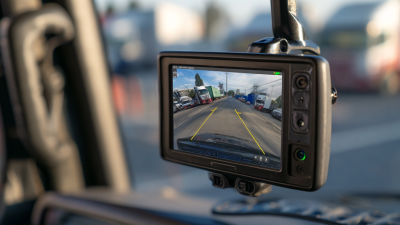
Begin the installation process by gathering necessary tools and an installation manual. Choose a location for the camera that provides a wide-angle view of the area behind your vehicle. Clean the mounting surface to ensure the adhesive sticks well. Depending on your vehicle model, you might need to drill holes for cable routing. This can be daunting, but it’s crucial to avoid damaging the vehicle.
After securing the camera, run the wires through the vehicle’s interior. Connect the power supply to the reverse light for activation when the vehicle is in reverse. Testing the camera’s feed before finalizing the installation can prevent potential issues. Not all cameras perform well under adverse conditions, such as heavy rain or low light. Adjusting the angle may be necessary if the camera’s view is obstructed. Addressing these potential shortcomings will increase safety during driving.
Tips for Properly Using Your Digital Rear View Camera While Driving
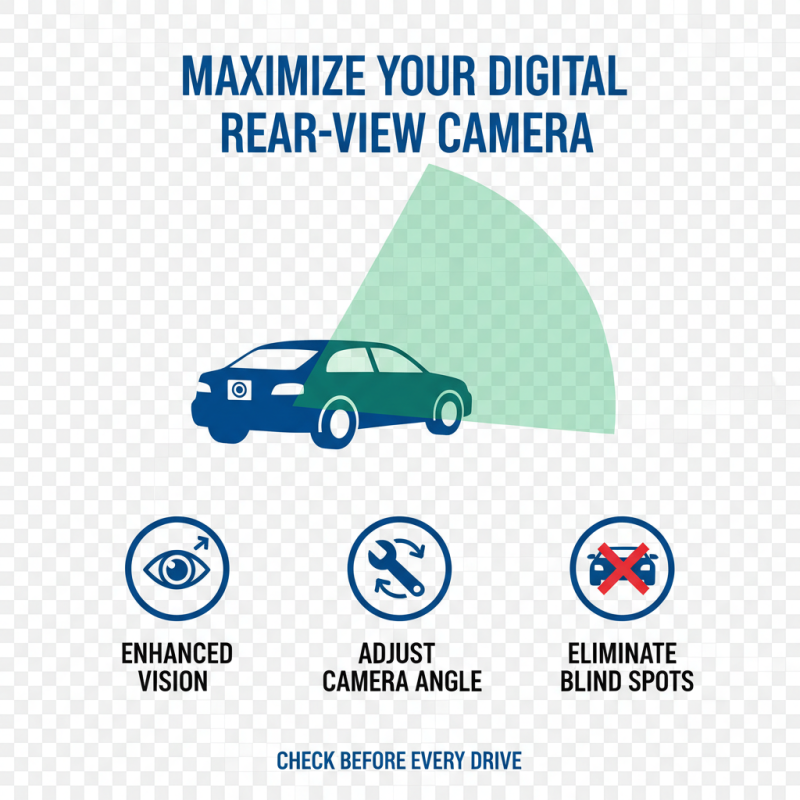
Using a digital rear view camera can enhance your driving experience. However, some drivers do not maximize its potential. Positioning the camera correctly is essential. A poorly adjusted camera can result in blind spots. Check the angle before each drive. Ensure you have a clear view of your surroundings.
While driving, it’s vital to stay focused. Use your camera as a supplementary tool. Don’t rely solely on it. Look around before changing lanes or reversing. The camera provides a wide angle, but depth perception can be tricky. Review your camera’s feed regularly, especially when parking.
Regular maintenance is crucial. Keep the lens clean for optimal visibility. A dirty camera can obscure details. Also, pay attention to the settings. Some cameras have features you may not use often. Experiment with them to find what works best. Reflect on your driving habits. Are you using the camera effectively?
Common Issues and Troubleshooting for Digital Rear View Cameras
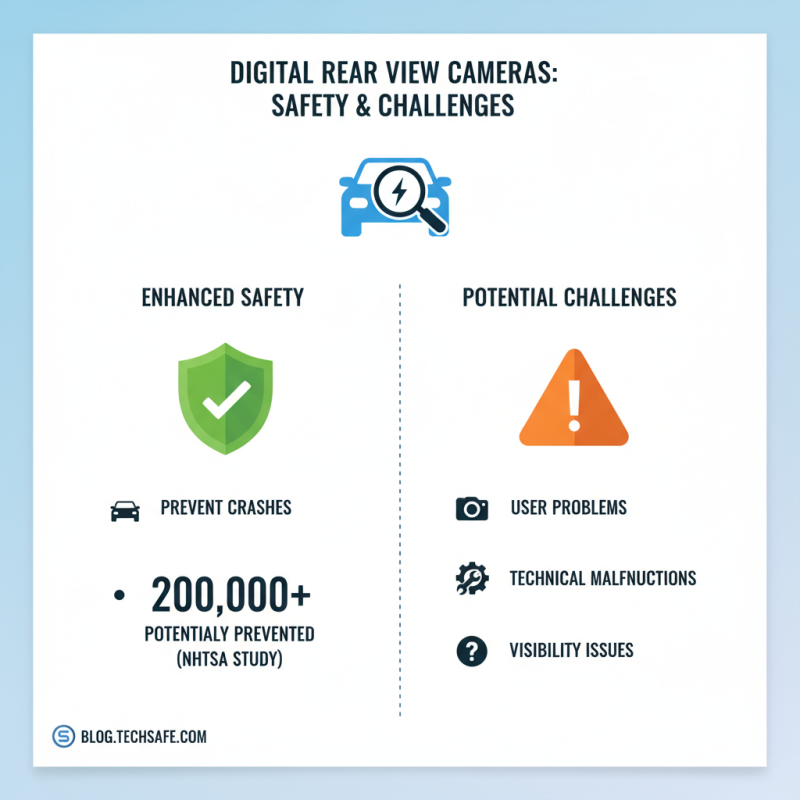
Digital rear view cameras enhance safety, but they can face issues. A study by the National Highway Traffic Safety Administration found that over 200,000 crashes could be prevented with such technology. However, users may experience various problems.
One common issue is poor image quality. This can stem from dirty lenses or misalignment. Regular cleaning is essential for optimal visibility. Another issue is connectivity. Some systems may lose signal intermittently. This can be frustrating and dangerous while reversing. In fact, a report indicated that faulty camera connections are responsible for 15% of rear-end collisions.
Additionally, software updates can create problems. Some cameras require regular updates to function effectively. Failing to keep up with these updates might lead to malfunctions. Oddly enough, many users overlook this crucial aspect. Proper installation also plays a role. If installed improperly, cameras may not work well. Care must be taken during the setup. A little awareness can help reduce these common issues.