Enhancing Vehicle Safety: The Essential Guide to Choosing the Right Backup Camera System
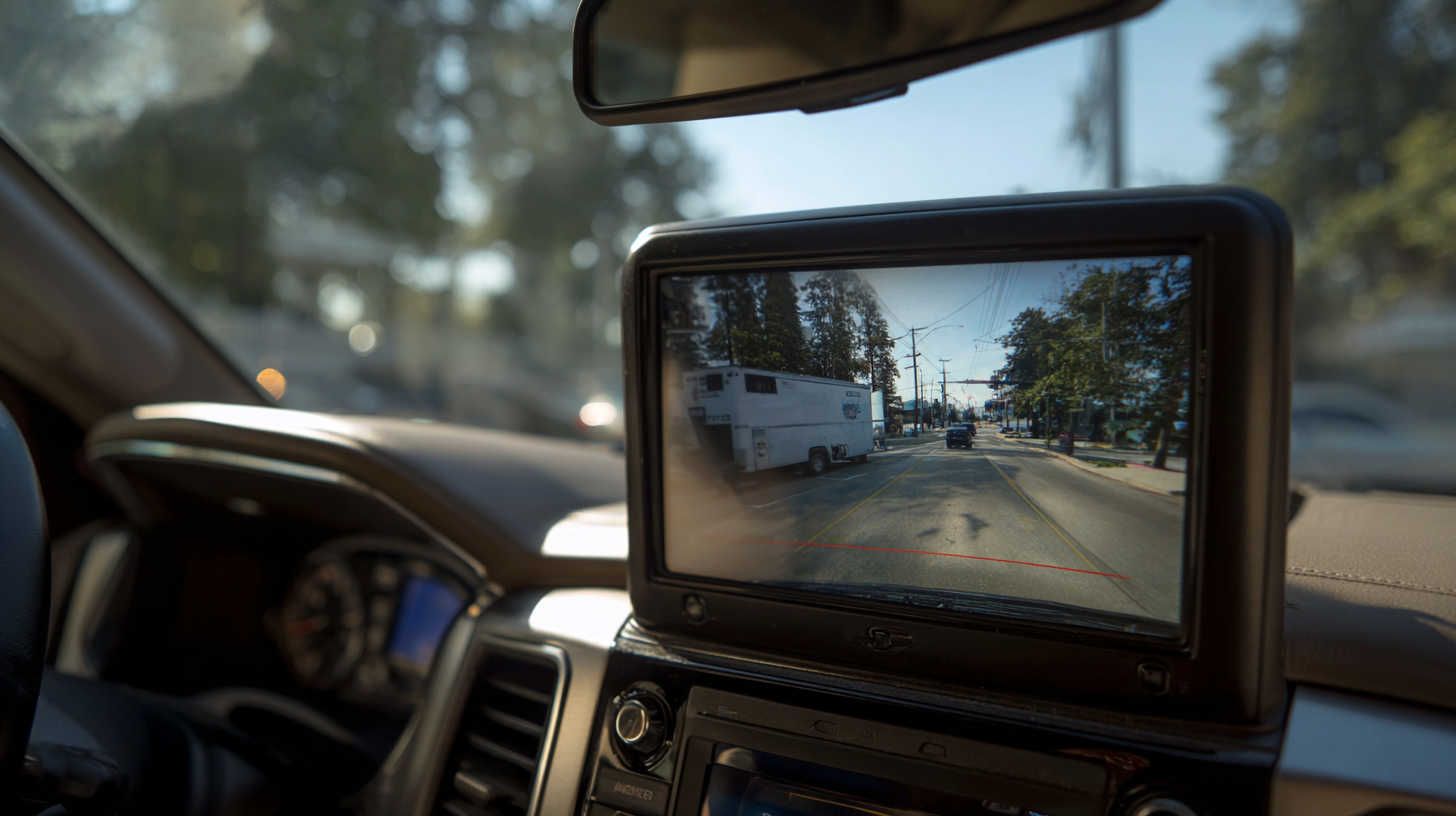 In recent years, vehicle safety has gained paramount importance, with the National Highway Traffic Safety Administration (NHTSA) reporting that backup accidents result in over 200 fatalities and 15,000 injuries annually in the United States alone. This alarming statistic underscores the critical need for effective safety measures, such as a reliable Backup Camera System. As backup cameras become increasingly standardized in new vehicles, data from the Insurance Institute for Highway Safety (IIHS) reveals that their installation can significantly reduce the risk of backing collisions by up to 40%. With the market evolving rapidly, it is vital for consumers to understand the key features and benefits of various backup camera systems to make informed decisions. This essential guide aims to provide the necessary insights and tips to enhance vehicle safety effectively through the strategic selection of the right Backup Camera System.
Understanding the Importance of Backup Camera Systems for Vehicle Safety
Backup camera systems play a pivotal role in enhancing vehicle safety, particularly in preventing accidents during reversing. These systems provide drivers with a clear view of the area behind their vehicle, significantly reducing blind spots that can lead to collisions. In crowded urban environments or busy parking lots, the risk of accidents increases, making a backup camera an essential tool for awareness. Studies have shown that vehicles equipped with these systems have lower rates of backover accidents, emphasizing their value in protecting both drivers and pedestrians.
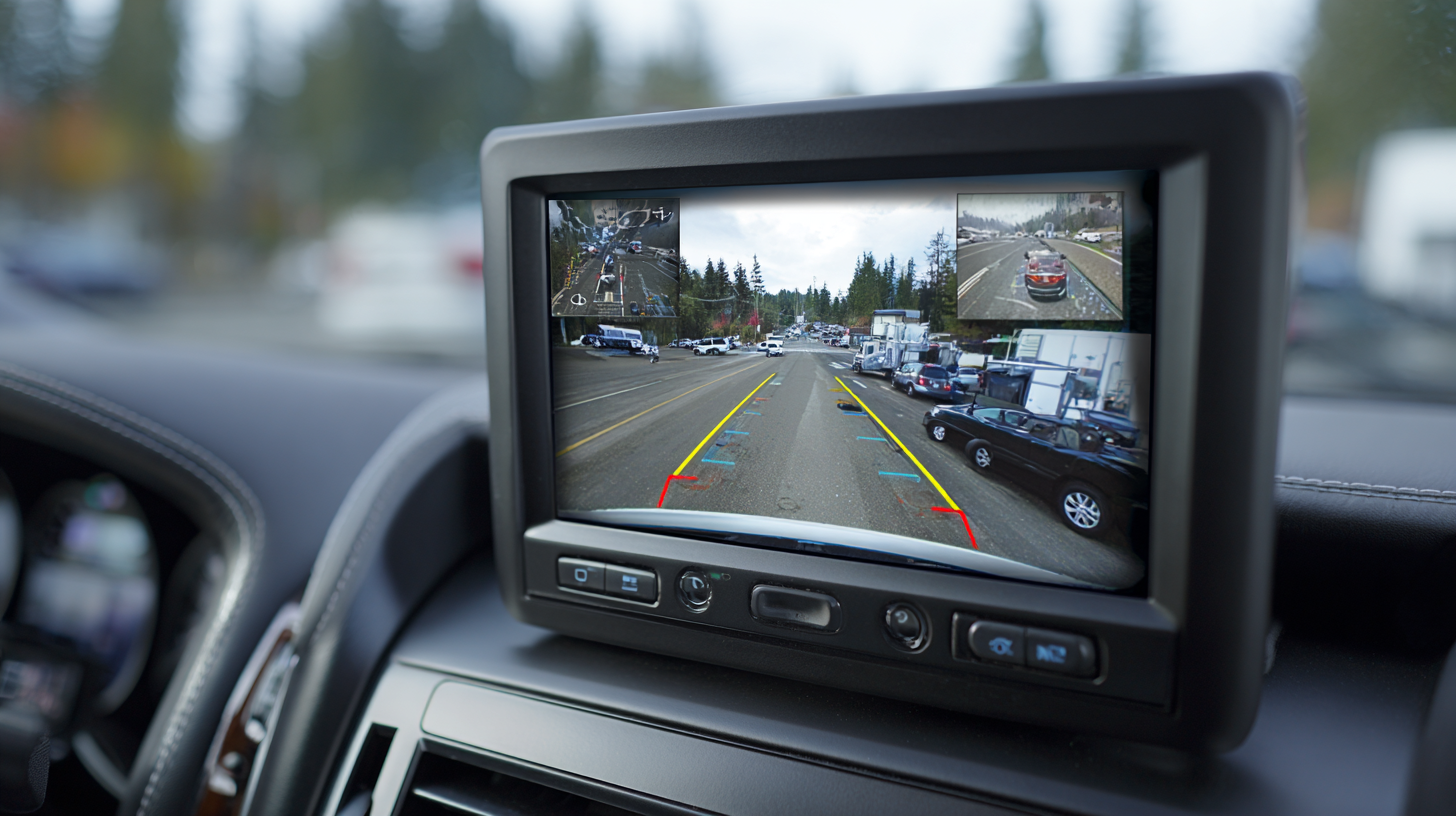
Moreover, backup camera systems often feature additional functionalities, such as guidelines that assist with parking and alerts for nearby obstacles. This technological integration not only improves spatial awareness but also boosts driver confidence when maneuvering in tight spaces. As more jurisdictions mandate backup cameras for new vehicles, understanding their importance becomes crucial for consumers. Investing in a reliable backup camera system translates to a more secure driving experience, ensuring peace of mind for families and individuals alike.
Enhancing Vehicle Safety: The Essential Guide to Choosing the Right Backup Camera System
| Feature |
Description |
Importance |
| Resolution |
Quality of the camera image, typically measured in megapixels. |
Higher resolution provides clearer images, crucial for spotting obstacles. |
| Viewing Angle |
The width of the field that the camera can capture. |
A wider angle helps in reducing blind spots, enhancing safety. |
| Night Vision |
Ability of the camera to capture clear images in low-light conditions. |
Essential for reversing in dark environments, preventing accidents. |
| Guidelines and Grid Lines |
Overlay of guidelines to assist in parking and maneuvering. |
Helps drivers judge distances and align their vehicle accurately. |
| Durability and Weather Resistance |
Camera's ability to withstand various weather conditions. |
Ensures consistent functionality and safety in all environments. |
| Integration with Display |
Compatibility with vehicle display systems to show camera feed. |
Critical for user interface and ease of use during driving. |
Key Features to Consider When Selecting a Backup Camera System
When selecting a backup camera system, understanding key features is crucial for enhancing vehicle safety. First and foremost, consider the camera resolution. Options vary from standard definition to high definition, with HD cameras providing clearer images that help eliminate blind spots. A higher resolution will ensure that you can see obstacles and pedestrians clearly, especially in low-light conditions.
Another vital feature to look for is the viewing angle of the camera. A wider field of view allows for better situational awareness while reversing. Cameras with at least a 120-degree viewing angle are recommended, as they can capture more of the surroundings. Additionally, features such as dynamic guidelines can assist in parking by providing visual cues for distance estimation, improving overall safety and maneuverability.
With these essential elements in mind, you can make an informed decision that will significantly enhance your vehicle's safety while backing up.
Comparing Different Types of Backup Camera Systems: Wired vs. Wireless
When considering backup camera systems for vehicles, the choice between wired and wireless configurations is crucial. Wired systems are often lauded for their reliability and performance. They provide a consistent connection that is less susceptible to interference, which can be a significant advantage, especially in environments with high levels of electronic noise. Research indicates that wired systems typically experience lower latency and higher resolution, making them ideal for safety-critical applications like vehicle reversing. According to industry reports, approximately 70% of users prefer wired systems for their superior video quality and real-time feedback.
On the other hand, wireless backup cameras offer unparalleled ease of installation and flexibility. With no cumbersome wiring to manage, they are particularly appealing for DIY car owners. However, the trade-off lies in their susceptibility to signal degradation and interference, which can affect performance. Recent assessments suggest that while wireless systems can be convenient, up to 30% may experience connectivity issues in urban environments due to competing signals. Ultimately, the choice between wired and wireless relies on a user’s specific needs, weighing the pros and cons of reliability against convenience in enhancing vehicle safety.
Top Brands and Models of Backup Camera Systems to Look Out For
When selecting a backup camera system, it’s essential to consider the standout brands that offer reliability and quality. Some of the top names in the market include Rear View Safety, Garmin, and Econsave.
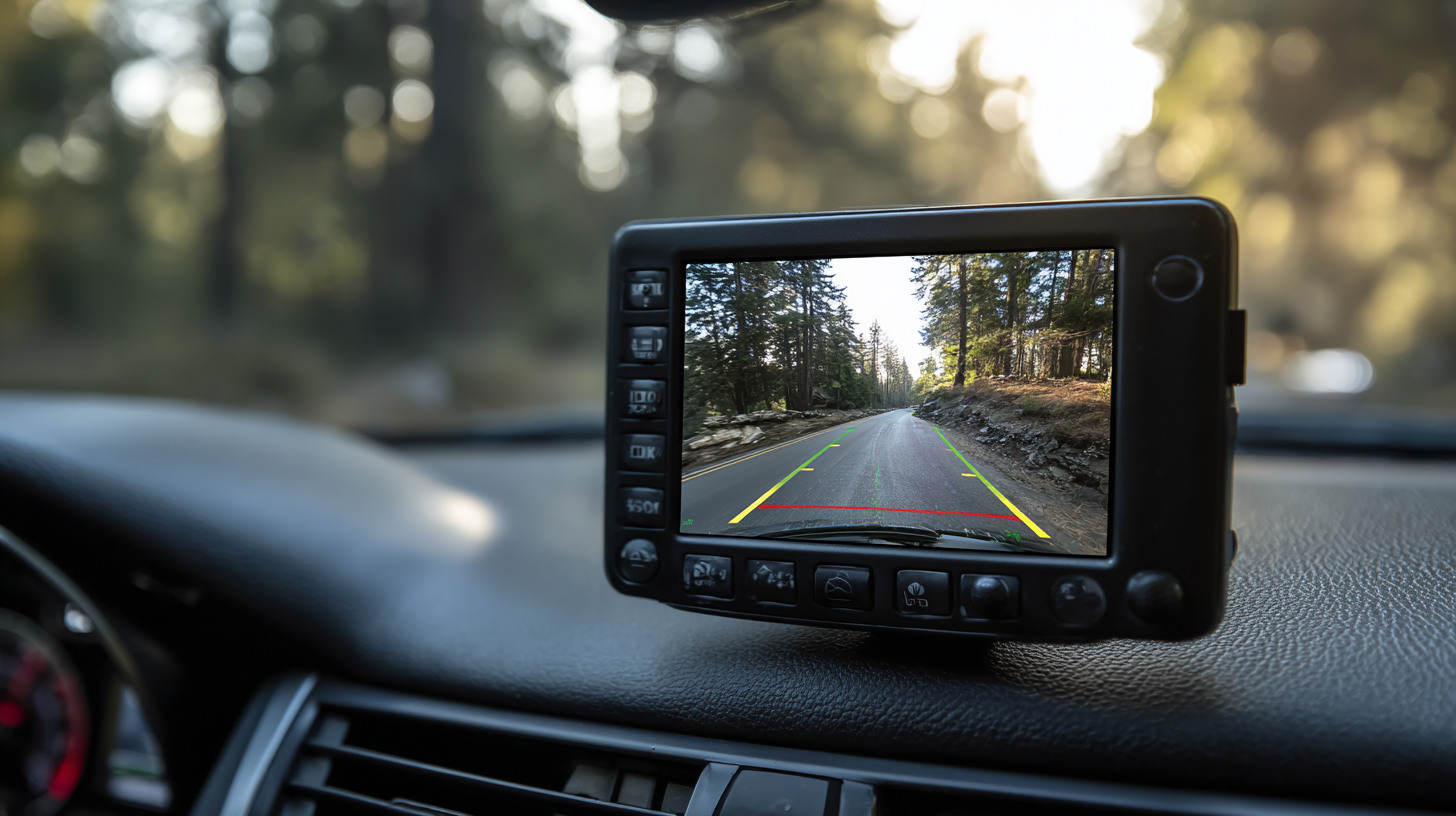 Rear View Safety is known for its comprehensive systems that provide wide-angle views, which are crucial for minimizing blind spots. Their cameras often come with advanced features such as night vision and high-resolution displays, making them a favorite among safety-conscious drivers.
Garmin, a renowned name in navigation technology, also excels in backup cameras. Their products frequently include integrated GPS features and smart connectivity with smartphones, allowing for a seamless driving experience. Econsave, while perhaps less recognized, offers excellent value with durable options that deliver solid performance without breaking the bank. Each brand provides unique features that cater to different needs, ensuring you can find the perfect backup camera system that enhances your vehicle’s safety and adds convenience to your driving experience.
Installation Tips and Best Practices for Your Backup Camera System
When choosing the right backup camera system for your vehicle, installation is a critical factor that can significantly affect the overall performance and functionality of the device. Begin by selecting a suitable location for the camera. A common practice is to mount it above the rear license plate, ensuring it has a clear line of sight. This positioning helps eliminate blind spots and provides the best view of the area behind your vehicle. Always clean the mounting surface thoroughly to ensure a strong adhesive bond if using a stick-on model.
After selecting the ideal mounting location, focus on wiring. Concealing the wires to prevent them from being pinched or damaged is essential for a clean installation. Make use of existing vehicle conduits wherever possible and zip tie the wires neatly to avoid any entanglements. Lastly, ensure that the camera is properly calibrated; this means both adjusting the angle for optimal viewing and testing the system before finalizing the installation. Following these installation tips and best practices will enhance your backup camera's effectiveness, improving your overall vehicle safety.
Backup Camera System Features Comparison