What is a Gps System With Backup Camera Benefits and Features Explained
The integration of advanced safety features in modern vehicles has become a significant focus for both manufacturers and consumers alike. One such innovation that has gained traction is the Gps System With Backup Camera, which enhances driver awareness and reduces the likelihood of accidents. According to a report by the National Highway Traffic Safety Administration (NHTSA), approximately 200 fatalities and 12,000 injuries occur annually due to backing incidents, underscoring the critical need for technologies that improve situational awareness while reversing a vehicle.
A Gps System With Backup Camera offers numerous benefits that extend beyond enhanced safety. It combines navigation capabilities with real-time visual feedback, allowing drivers to confidently navigate unfamiliar areas while simultaneously ensuring safer reversing practices. The global automotive camera market is projected to grow significantly, with a report from MarketsandMarkets estimating a compound annual growth rate (CAGR) of 12.0% from 2020 to 2025, highlighting a growing recognition of the crucial role such integrated systems play in vehicle safety and user convenience.
As technology continues to evolve, the demand for Gps Systems With Backup Cameras is likely to rise, driven by increasing awareness of road safety and the adoption of advanced driver-assistance systems (ADAS). These systems not only assist drivers in making informed decisions but also contribute to overall roadway safety, signifying a pivotal shift in how drivers interact with their vehicles.
What is a GPS System with Backup Camera?
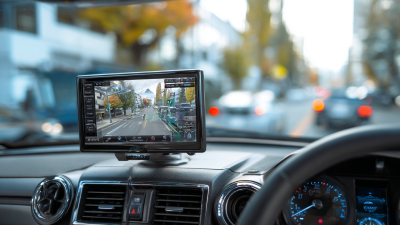
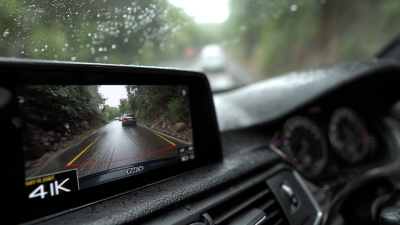
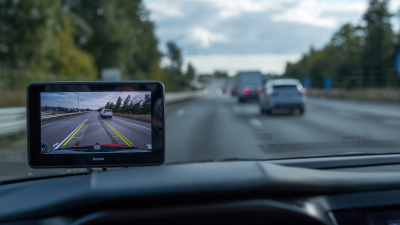
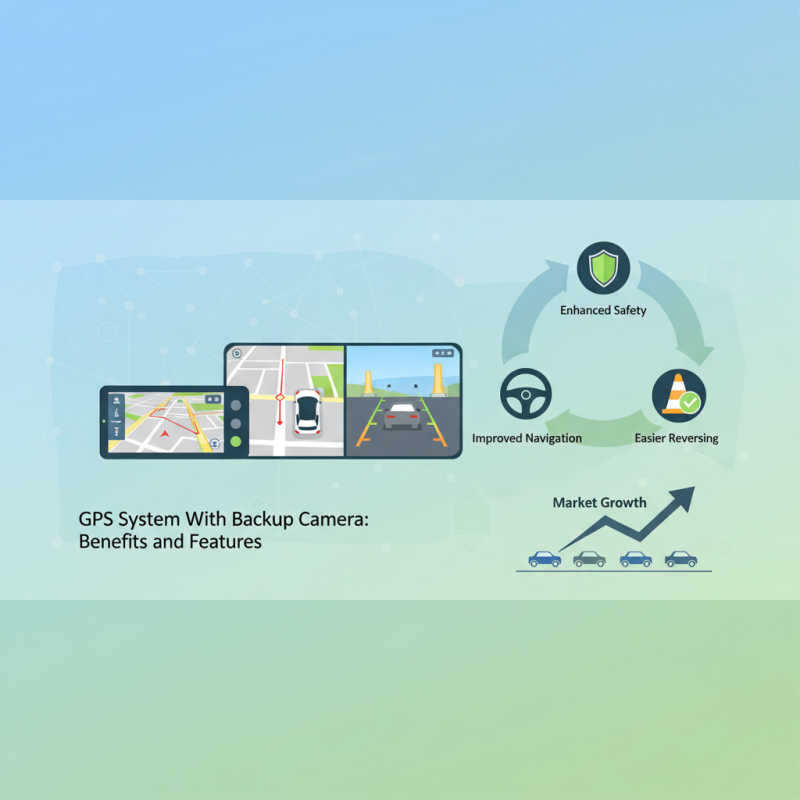
A GPS system with a backup camera is an innovative car accessory designed to enhance driving safety and convenience. This system typically integrates GPS navigation capabilities with a rear-view camera feature, allowing drivers to access real-time maps while also providing a clear view of the area behind their vehicle. This dual functionality can significantly ease the parking process and help avoid potential accidents when reversing.
When choosing a GPS system with a backup camera, consider the ease of installation and compatibility with your vehicle. It's essential to opt for a model that offers high-resolution video and a wide viewing angle for the camera, ensuring you have a comprehensive view of your surroundings. Make sure the GPS system is equipped with up-to-date maps and voice-guided instructions to facilitate effortless navigation.
**Tips:**
1. Regularly update the GPS software to benefit from the latest maps and traffic information.
2. Check the camera's lens regularly to ensure it remains clean and free from obstructions for optimal visibility.
3. Familiarize yourself with the camera's features, such as grid lines or distance markers, to improve your parking and maneuvering skills.
What is a GPS System with Backup Camera?
| Feature |
Description |
Benefits |
| Real-time Navigation |
Provides up-to-date directions and traffic updates. |
Helps users avoid traffic jams and reach their destinations faster. |
| Backup Camera Integration |
Displays live feed from the rear camera when reversing. |
Enhances safety by reducing blind spots while reversing. |
| User-Friendly Interface |
Intuitive touchscreen or button controls. |
Easier access to navigation settings, reducing distraction. |
| Voice Guidance |
Voice prompts for navigation instructions. |
Allows users to focus on the road without looking at the screen. |
| Additional Safety Features |
Includes lane departure warnings and alerts for obstacles. |
Improves overall driving safety and awareness. |
Key Features of GPS Systems with Backup Cameras
GPS systems with backup cameras are becoming increasingly popular among drivers, enhancing
safety and navigation capabilities simultaneously. Key features of these systems include
real-time GPS navigation, high-definition cameras,
and integration with smart technology. According to industry reports, nearly 30%
of accidents occur during reversing, highlighting the value of backup cameras in preventing collisions.
These systems often boast features such as lane departure alerts,
obstacle detection, and advanced mapping that enhances situational awareness,
making them invaluable for urban driving.
Incorporating a GPS system with a backup camera also boosts the versatility of the device.
Many models now support features such as Bluetooth connectivity,
allowing hands-free calling and music streaming, which keeps drivers focused on the road.
Additionally, some systems come equipped with voice recognition
and turn-by-turn directions, which further streamline navigation tasks. The combined capabilities of GPS and backup
cameras can significantly reduce stress during driving,
especially in congested environments.
Tips: When choosing a GPS system with a backup camera,
consider factors such as screen size, resolution, and ease of installation. A larger,
high-resolution screen ensures that you can see details clearly, especially when maneuvering in tight spaces.
Additionally, look for a model that offers regular software updates
to ensure that navigational data remains current, allowing you to avoid outdated routes and traffic issues.
Benefits of Integrating Backup Cameras with GPS Technology
The integration of backup cameras with GPS technology offers significant enhancements in vehicle safety and driver convenience. According to a report from the Insurance Institute for Highway Safety, backup cameras can reduce the risk of accidents significantly. Specifically, vehicles equipped with a rearview camera are 17% less likely to be involved in a backing-related crash. This statistic underscores the critical role these systems play in improving overall road safety, particularly for smaller vehicles that have larger blind spots.
Moreover, the combination of GPS with backup cameras boosts navigational assistance while enhancing awareness of the surroundings. Research conducted by the National Highway Traffic Safety Administration reveals that drivers are better equipped to make informed decisions about the space around them when utilizing both systems simultaneously. These systems not only aid in reversing maneuvers but also provide real-time directions, allowing drivers to maintain focus on the road. Integration promotes a seamless experience, reducing distractions that can lead to accidents. With the increasing emphasis on road safety features, pairing GPS technology with backup cameras is emerging as a standard rather than an option, reflecting a commitment to enhancing driver support systems.
Benefits of Integrating Backup Cameras with GPS Technology
This chart illustrates the perceived benefits of integrating backup cameras with GPS technology based on user feedback. The scores out of 100 reflect how each feature improves driving experience and safety.
Comparison of Standalone GPS and GPS with Backup Camera
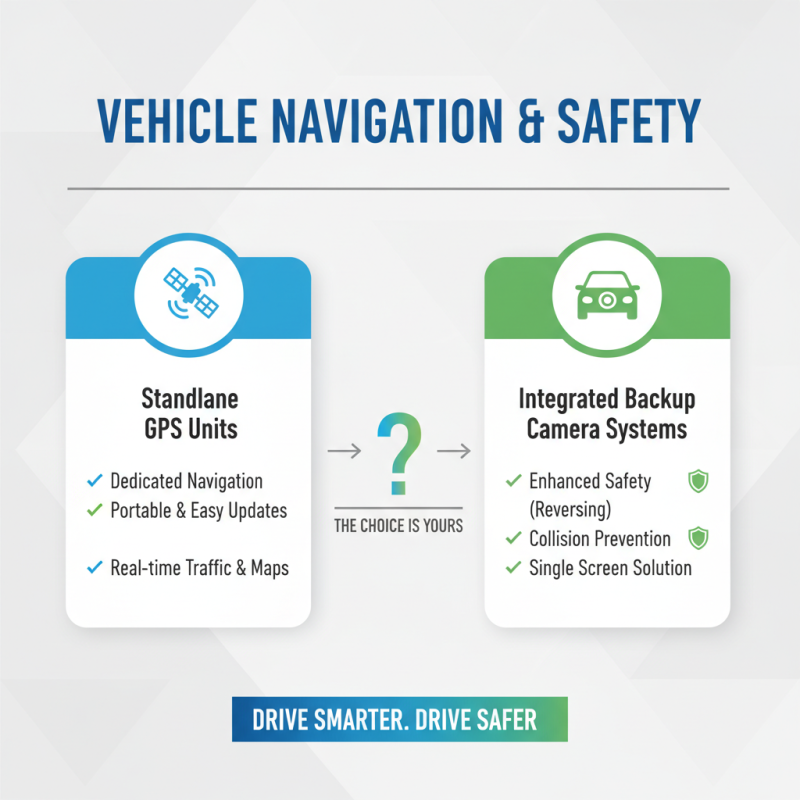
When considering navigation systems for vehicles, the decision often comes down to standalone GPS units versus those integrated with backup cameras. A standalone GPS device focuses solely on providing navigation assistance, featuring maps, traffic updates, and route planning. These systems are generally easy to use, portable, and can be updated with the latest maps. However, they lack the added safety features that come with a backup camera, which is essential for preventing accidents when reversing.
On the other hand, GPS systems with a backup camera offer a dual function that enhances driver safety while navigating. The integration of a backup camera provides real-time visual assistance when reversing, eliminating blind spots and reducing the risk of collisions. This combined functionality is particularly beneficial for larger vehicles or those frequently navigating congested areas. Additionally, having both systems in one device streamlines the dashboard experience, allowing drivers to focus on navigation and safety without switching between devices. Overall, the added benefits of enhanced safety features and ease of use make GPS systems with backup cameras a compelling choice for modern drivers.
Installation Considerations for GPS Systems with Backup Cameras
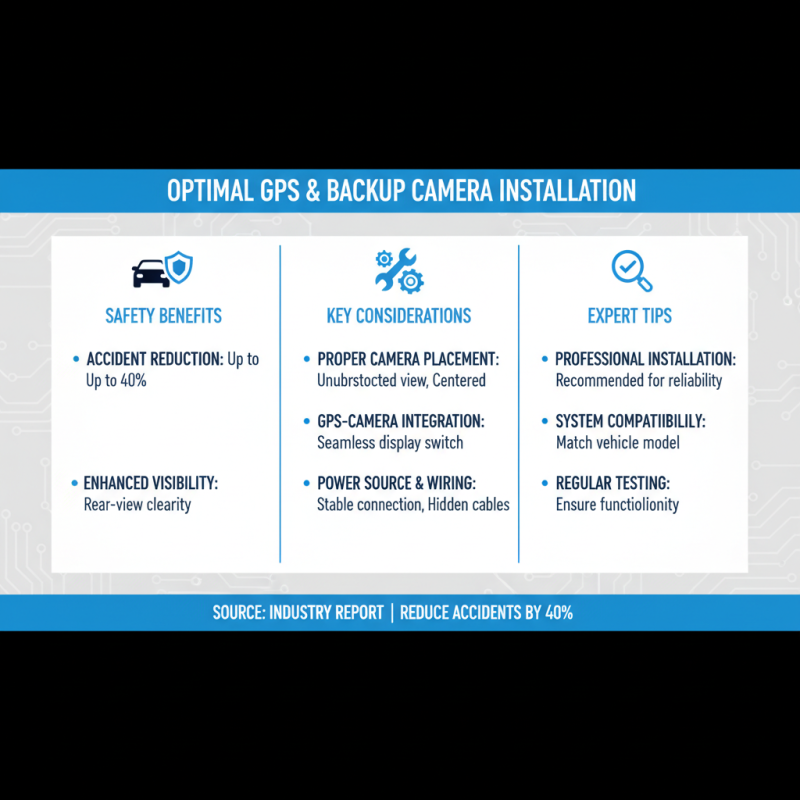
When considering the installation of GPS systems with backup cameras, several key factors should be taken into account to ensure optimal performance and user satisfaction. A recent industry report indicates that vehicles equipped with backup cameras can reduce the risk of accidents by up to 40%, emphasizing the importance of integrating such systems for safety and navigation purposes. Proper installation is crucial, as incorrect placement of the camera can hinder visibility and negate its safety benefits.
One critical aspect of installation is positioning the camera for an unobstructed view of the rear area, typically mounted above the license plate or integrated into the vehicle's rear design. Additionally, installers should consider wiring and compatibility with the vehicle's existing systems. According to a study by an automotive technology association, about 30% of users identified poor camera resolution and inadequate installation as common issues affecting system performance. Therefore, it's advisable to consult professional installers who can ensure that both the GPS and backup camera systems are correctly aligned and calibrated, maximizing their effectiveness in everyday driving scenarios.