What Is a Boat Security Camera System and How Does It Work?
A boat can look secure at the dock, yet important details may disappear after sunset. A loose hatch, unfamiliar movement, or rising bilge water can become serious before an owner notices. Boat Security Camera Systems help reduce this blind spot by combining cameras, motion detection, low-light imaging, and remote alerts. They are designed for marinas, private docks, fishing boats, yachts, and commercial vessels.
The need is practical, not theoretical. The U.S. Coast Guard reported 3,844 recreational boating accidents in 2023, including 556 deaths and 2,641 injuries. Its 2023 Recreational Boating Statistics also recorded about $63 million in property damage. Cameras cannot prevent every incident. They can provide earlier awareness and clearer evidence. That difference matters when an owner is several miles away.
Most systems use weather-resistant cameras, a network video recorder, onboard storage, and a mobile application. Some connect through marina Wi-Fi, cellular networks, or satellite-supported equipment. The camera captures images, while software analyzes movement or unusual activity. An alert may then reach the owner’s phone. Simple. But not always reliable. Salt spray can cloud a lens, weak signals can delay notifications, and batteries can lose capacity overnight.
The National Marine Manufacturers Association estimates that recreational boating contributes $230.6 billion to the U.S. economy and supports about 812,000 jobs. That scale reflects a large and diverse boating community. Therefore, selecting a security system requires more than buying the sharpest camera. This guide examines how Boat Security Camera Systems work, what components they need, and where their practical limits appear.
Definition and Purpose of a Boat Security Camera System
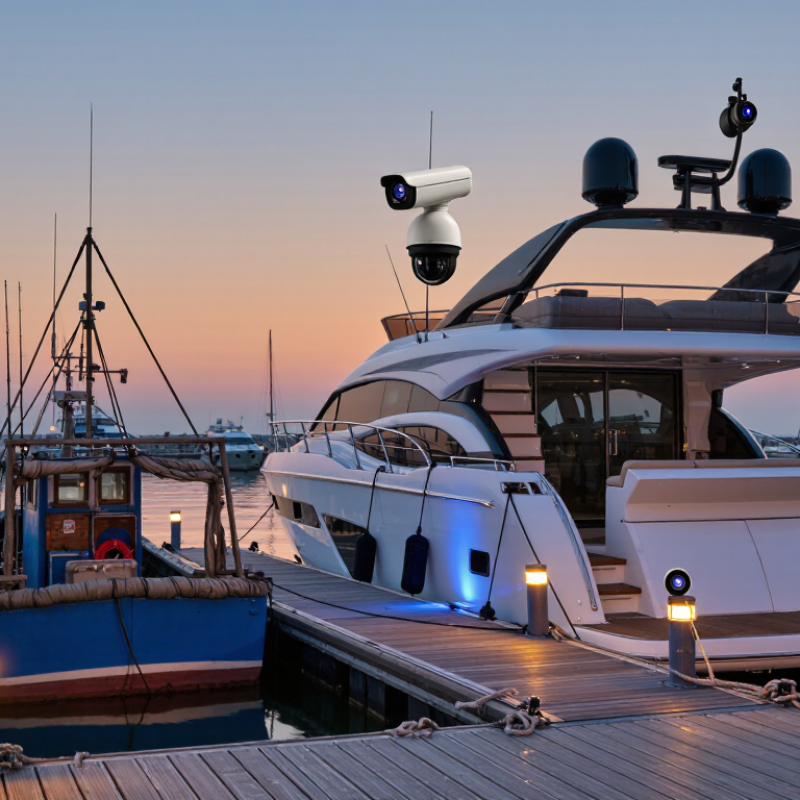
A boat security camera system combines marine-suitable cameras, recording hardware, power controls, and viewing software.
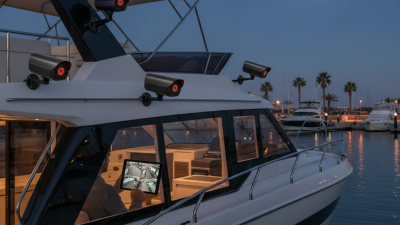
Its purpose is simple: observe important areas when owners are aboard or away. Cameras may cover the cockpit, cabin entrance, engine space, swim platform, and dockside approach. Live viewing helps an owner check unusual movement, an open hatch, or water entering through a damaged fitting. Recorded video can clarify what happened after an alarm or maintenance problem. In practice, the system supports awareness. It does not replace routine inspections.
Tips:
Choose weather-resistant cameras with sealed housings and night vision. Test each view at noon and after sunset. Reflections from rails and wet decks can hide faces or equipment. Use motion zones carefully, because birds, waving lines, and rippling water may create false alerts. Keep storage capacity realistic. A busy harbor can fill a memory card quickly. Check cable glands, battery draw, and network access during scheduled inspections. These small checks are easy to skip before a long trip.
A reliable installation should provide stable footage without distracting the operator.
Wide-angle coverage is useful, but excessive distortion can reduce edge detail. Local recording may continue during weak internet service, while remote access depends on power and connectivity. I have found that camera placement often matters more than extra features. Even a carefully planned system has limits. Fog, salt spray, glare, and blocked lenses can defeat detection. Review sample footage regularly and adjust expectations when conditions change.
Core Components and Their Roles on a Boat
What Is a Boat Security Camera System and How Does It Work?
Core Components and Their Roles on a Boat
A boat security camera system combines cameras, recording hardware, power control, and remote viewing. Its core job is simple: show what is happening aboard when nobody is nearby. The U.S. Coast Guard’s 2022 Recreational Boating Statistics recorded 4,040 accidents, 658 deaths, and 2,641 injuries. These figures support better monitoring, although cameras cannot replace safe navigation or physical inspections.
A marine-grade camera needs sealed housing, corrosion resistance, and stable mounting. Wide-angle lenses cover the cockpit, side decks, and engine access points. Infrared or low-light sensors help after sunset, but glare from water can reduce image quality. The recorder stores footage locally, while a network connection can send alerts to a phone or onboard display. A timestamp matters. Without it, useful evidence becomes harder to interpret.
Power is the unglamorous core.
A dedicated circuit, fuse protection, and battery monitoring reduce unexpected shutdowns. Motion sensors can trigger recording, while door or hatch sensors add context around an alert. A visible light may improve images and discourage unwanted access, but it can also annoy neighbors in a crowded marina. The 2024 Safety and Shipping Review reported 26 total ship losses in 2023, down from 41 in 2022. That decline does not prove cameras caused safer outcomes. My practical concern remains blind spots, weak passwords, and saltwater damage. A camera is helpful, not invincible.
Boat Security Camera System: Typical Power Demand by Component
A boat security camera system combines cameras, recording hardware, connectivity, navigation data, and alarms.
The chart shows representative power-consumption ranges for common components; actual demand varies with camera resolution, night vision, storage, display brightness, and network activity.
How Boat Security Cameras Capture and Transmit Video
Aboat security camera system uses cameras, sensors, storage, and a communication connection to monitor onboard activity. Its cameras capture wide views of the deck, cabin entrance, engine area, or dockside surroundings. Many marine cameras use infrared lighting for dark conditions and wide dynamic range for harsh sunlight. The lens must handle vibration, spray, and changing weather. Salt spray matters.
When motion is detected, the camera begins recording or marks the event for review. A built-in processor compresses the video before saving it to local storage or sending it elsewhere. This reduces file size and network demand. A nearby onboard network can transmit footage to a monitor or mobile device. Cellular or satellite connections may support remote viewing when the boat is away from shore. Signal strength changes quickly on open water.
Real-world testing often shows imperfect results. Glare can hide details, while rain may trigger unnecessary alerts. A camera may record clearly but transmit poorly through a weak connection. Compression saves bandwidth, yet small objects can lose detail. Operators should check timestamps, camera angles, and storage capacity regularly. Privacy settings also deserve attention when cameras face shared docks or nearby vessels. A clean lens and stable power supply often improve footage more than expensive features.
Power, Storage, and Remote Monitoring Options
A boat security camera system uses cameras, a recorder, and a communication link to watch onboard spaces. It can cover the cockpit, cabin entrance, engine area, or swim platform. Marine-rated housing matters because salt spray reaches places that look protected. A practical dockside test should check night vision, motion detection, and image clarity through wet glass. Small details matter.
Power planning affects reliability more than camera resolution. Some systems run from the boat’s battery, while others use shore power when docked. A fuse, low-voltage cutoff, and separate circuit can reduce battery problems. Solar charging may help on longer trips, but cloudy weather changes the result. The weak point is often power loss, not the camera itself. I would test the system after two quiet nights.
Storage options include a local memory card, a dedicated recorder, or secure cloud storage. Local storage keeps footage available during poor signal conditions. Cloud storage supports access if the equipment is damaged or removed. Remote monitoring usually needs cellular or Wi-Fi service, and signal strength can vary around marinas. Alerts should identify motion, tampering, or power failure without sending constant false alarms. A phone notification is useful, but it is not a substitute for regular equipment checks. Connections fail sometimes. Test alerts monthly and keep access credentials protected.