Essential Tips for Choosing the Best Multi Camera Car System for Your Vehicle
As the automotive industry continues to evolve, the demand for enhanced safety and convenience in vehicles has skyrocketed. One innovative solution that has gained significant traction is the Multi Camera Car System. According to recent industry reports, the global vehicle camera market is expected to reach $24 billion by 2025, driven by increasing consumer awareness of road safety and advancements in technology. These systems provide drivers with a 360-degree view of their surroundings, significantly minimizing blind spots and improving overall situational awareness.
Implementing a Multi Camera Car System not only elevates driver confidence but also aligns with a broader trend towards smart vehicles equipped with advanced driver assistance systems (ADAS). Research indicates that vehicles equipped with such technologies can reduce accident rates by up to 40%, underscoring their importance in modern driving conditions. As consumers seek to invest in vehicles that prioritize safety, understanding the nuances of selecting the most suitable Multi Camera Car System becomes imperative. This guide aims to provide essential tips to help you make an informed decision tailored to your specific vehicle and driving needs.

Understanding the Importance of Multi-Camera Systems for Vehicles
In the modern automotive landscape, the integration of multi-camera systems has become increasingly vital for enhancing vehicle safety and operational efficiency. These systems provide a comprehensive view of the vehicle’s surroundings, significantly reducing blind spots and allowing drivers to navigate with greater confidence. By offering multiple angles through strategically placed cameras, drivers can effectively anticipate and react to potential hazards, ensuring a safer driving experience.
Furthermore, multi-camera systems play a crucial role in parking assistance and maneuvering in tight spaces. The ability to visualize the immediate periphery of the vehicle transforms a typically daunting task into a seamless process. With features like overhead views and dynamic guidelines, drivers can park more accurately and avoid obstacles. As technology continues to evolve, the incorporation of multi-camera systems is not only a convenience but a fundamental aspect of modern vehicle safety protocols, paving the way for advancements such as automated driving and real-time environment monitoring.
Key Features to Look for in a Multi-Camera Car System
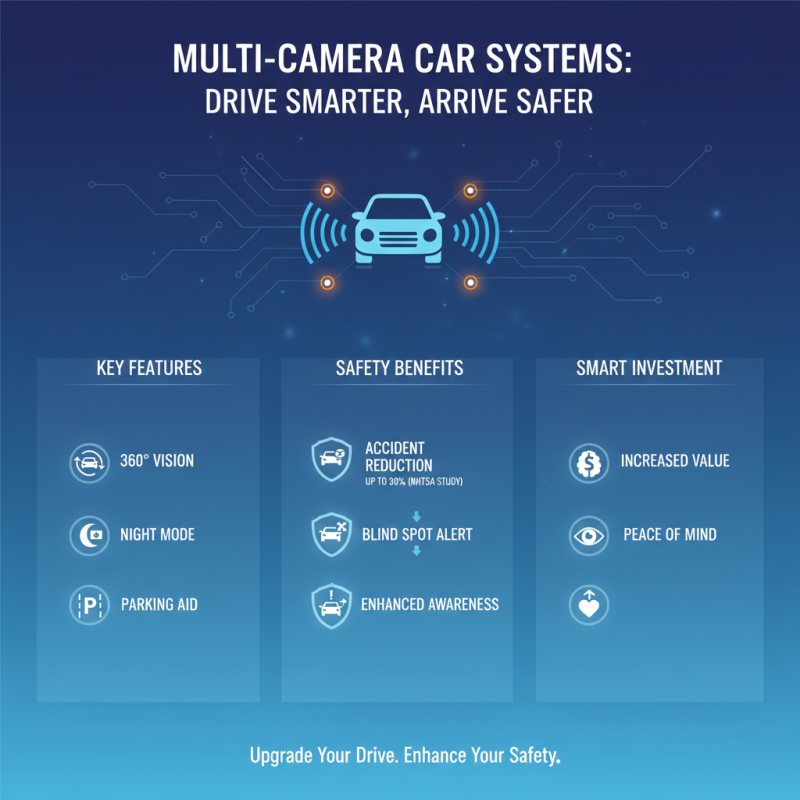
When selecting a multi-camera car system, it's crucial to understand the key features that will enhance your driving experience and improve safety. A study by the National Highway Traffic Safety Administration (NHTSA) indicates that vehicles equipped with advanced camera safety systems can reduce the likelihood of accidents by up to 30%. Thus, investing in a quality system is not just about convenience; it’s a step toward ensuring safer travel.
One of the primary features to consider is image quality. A resolution of at least 1080p is recommended for clear visibility, especially in low-light conditions. Additionally, a wide field of view—ideally between 120 to 180 degrees—allows for better coverage of blind spots. This is important as nearly 25% of vehicle accidents occur due to blind spot collisions, according to data from the Insurance Institute for Highway Safety (IIHS). Furthermore, look for systems with night vision capabilities, as nighttime accidents increase by 50%, making visibility critical during those hours.
Another essential aspect is ease of installation and integration with existing vehicle systems. Many users prefer plug-and-play solutions that require minimal technical expertise, while others may seek systems that connect seamlessly to their smartphone apps for real-time monitoring. According to a recent automotive technology report, drivers are increasingly valuing user-friendly interfaces, as 72% of consumers prioritize intuitive technology when choosing vehicle accessories. With these features in mind, selecting a multi-camera car system that meets your unique needs can significantly enhance safety and driving satisfaction.
Types of Multi-Camera Systems Available for Different Vehicle Models
When selecting a multi-camera system for your vehicle, it is essential to consider the different types of systems available that cater to various vehicle models. Generally, there are three main categories:
front-facing camera systems,
rearview camera systems, and
360-degree panoramic systems.
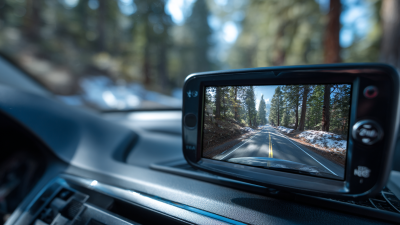
Front-facing cameras are designed to enhance visibility while driving, offering a clear view of the road ahead. These systems are particularly beneficial for larger vehicles, such as trucks and SUVs, which can suffer from significant blind spots.
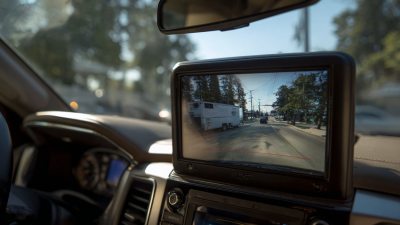
On the other hand, rearview camera systems are crucial for parking and reversing maneuvers, providing real-time visuals of the area behind the vehicle. These systems often come equipped with additional sensors to alert the driver of obstacles.
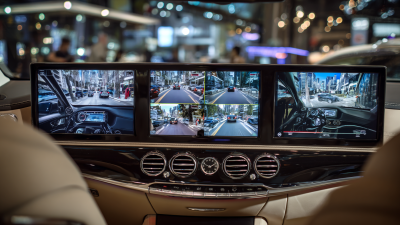
For those seeking comprehensive coverage, 360-degree panoramic systems utilize multiple cameras placed around the vehicle to create a bird's-eye view, making it easier to navigate tight spaces and avoid hazards.
Depending on the vehicle type and driving needs, choosing the right multi-camera system will significantly enhance safety and ease of use.
Installation Considerations for Your Multi-Camera Car System
When considering the installation of a multi-camera car system, it's essential to evaluate the various factors that can affect both the performance of the system and your overall driving experience. According to a recent industry report by the Automotive Technology Association, roughly 52% of consumers report improved safety and awareness after installing such systems. This heightened functionality largely depends on proper installation, as incorrect setup can lead to suboptimal camera angles and blind spots, ultimately nullifying the advantages of having a multi-camera system.
One critical consideration during installation is the camera placement. Cameras should be strategically positioned to provide comprehensive coverage around the vehicle, particularly at key angles such as the front, sides, and rear. The National Highway Traffic Safety Administration (NHTSA) emphasizes that optimal positioning can reduce blind zones significantly, potentially decreasing accident rates by as much as 30%. Additionally, ensuring that cameras are weatherproof and securely mounted is vital for maintaining their effectiveness over time, especially in various driving conditions. To maximize the benefits of your multi-camera system, investing time in a thorough installation process will undoubtedly enhance both functionality and vehicle safety.
Comparison of Multi Camera Car System Features
Budgeting: How Much to Invest in a Quality Multi-Camera System
When considering a multi-camera car system, budgeting is a crucial factor that can significantly influence your purchasing decisions. Setting a realistic budget is essential, as the price of these systems can vary greatly based on features, quality, and brand. It's vital to assess your specific needs — whether you require basic coverage or advanced capabilities such as night vision, 360-degree views, or integration with GPS.
Understanding your priorities will help you make informed financial choices and avoid overspending on unnecessary features.
Investing in a quality multi-camera system should be viewed as a long-term commitment. While it can be tempting to opt for the cheapest option available, this may lead to higher costs in the long run due to potential repairs or replacements.
Analyze the warranty and customer support offered by the manufacturer, as reliable service can save you money and headaches down the line.
Consider allocating a moderate budget that allows for a balanced system — one that provides adequate coverage and features without stretching your finances too thin — ensuring you get the best value for your investment.