Essential Tips for Choosing the Right Truck Reverse Camera?
Choosing the right truck reverse camera is a crucial decision for any truck owner. A quality camera enhances safety and visibility while reversing, reducing the risk of accidents. With various options available, it can feel overwhelming to make the right choice.
Investing in a truck reverse camera not only improves your driving experience but also provides peace of mind. Factors like resolution, field of view, and night vision capabilities should be considered. Not all cameras are created equal, and some may fail to meet your specific needs.
It's essential to reflect on your intended use. Will you be driving in tight spaces or low-light conditions? Ask yourself if you prioritize high-resolution images or durable build quality. A wrong choice can lead to frustrating experiences. Take the time to explore different models and read user reviews. Trustworthy sources can guide you towards a reliable camera that enhances your truck's safety features effectively.
Understanding the Importance of Truck Reverse Cameras
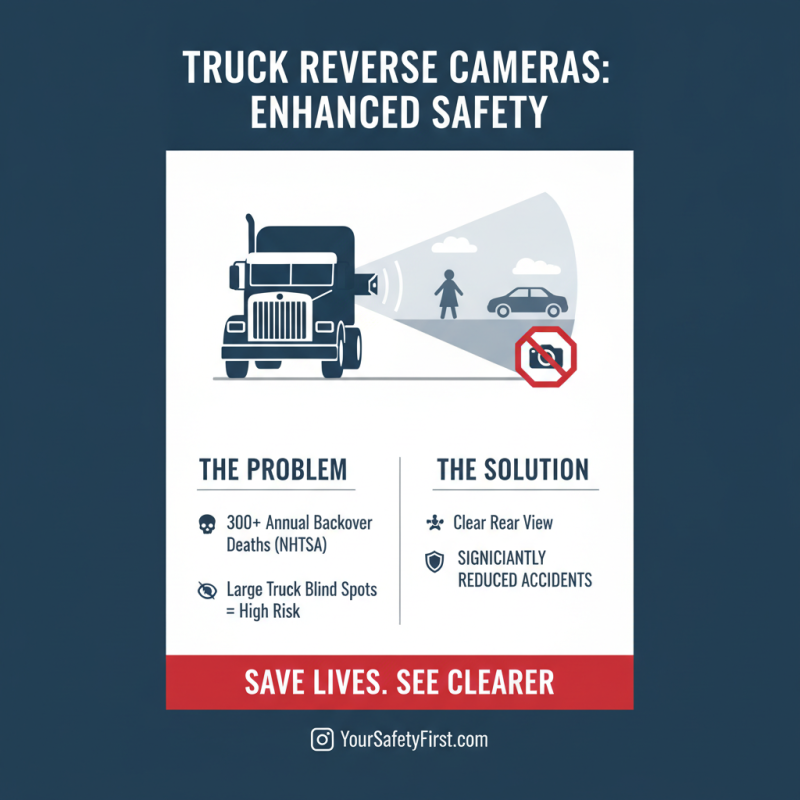
Truck reverse cameras play a critical role in enhancing safety during vehicle operation. According to a study by the National Highway Traffic Safety Administration, nearly 300 deaths annually arise from backover accidents. Among these incidents, large trucks are particularly vulnerable due to their blind spots. A reverse camera can significantly reduce this risk by providing drivers with a clear view of what’s behind.
In addition, industry experts emphasize that retrofitting trucks with reverse camera systems can enhance driver awareness. A report from the Insurance Institute for Highway Safety suggests that trucks equipped with cameras have a 40% lower rate of backing incidents. These systems not only aid visibility but also assist in preventing costly collisions. However, choosing the right camera involves thorough consideration of factors like installation, image clarity, and durability.
Despite these advancements, some users find the technology overwhelming. The variety of models and features may lead to confusion. It’s essential to take time to evaluate which specifications are most relevant to your operations. Consider incorporating feedback from other drivers to better understand the practical benefits. This reflection can lead to better decision-making when selecting a reverse camera for your truck.
Key Features to Look for in a Truck Reverse Camera
When choosing a truck reverse camera, certain key features are paramount.
First, consider the camera resolution. A higher resolution, such as 1080p, provides clearer images.
This clarity is essential for detecting nearby obstacles or vehicles. Low-resolution cameras can lead to misjudgments during reversing, increasing the risk of accidents.
Another crucial factor is the field of view. Cameras with a wide-angle lens can cover more area behind the truck.
This feature allows drivers to spot hazards from various angles. However, be cautious—a camera that offers too wide of a view can distort images.
Aim for a balanced field of view to maintain accuracy without sacrificing coverage.
Night vision capabilities should also be included in your criteria.
Many accidents occur in low-light conditions. Cameras with infrared technology or LED lights can enhance visibility at night.
Quality night vision reduces stress levels during night-time driving.
However, cheap night vision features can sometimes produce grainy images. Always test before deciding.
Lastly, consider how easy the installation is.
Complicated setups can lead to frustration. A user-friendly installation process can save both time and effort.
Comparing Different Types of Truck Reverse Cameras
When selecting a truck reverse camera, understanding the different types is crucial. There are primarily three main types: wired, wireless, and smartphone-operated cameras. Wired cameras typically offer a more stable connection and better image quality. This stability can enhance safety while reversing, especially in tight spots. However, installation can be cumbersome and may require professional help.
Wireless cameras are easier to install, often allowing for a DIY setup. They connect via Wi-Fi or Bluetooth, which is convenient. Yet, they may face interference from other devices. This can lead to unexpected screen disruptions. Smartphone-operated cameras offer high versatility and convenience. Users can view footage directly on their mobile devices. However, reliance on smartphones means potential connectivity issues. It's worth reflecting on your specific needs and environment when choosing a type. Consider factors like ease of use, installation efforts, and image quality. Each option has its advantages and trade-offs. Thoughtful consideration can lead to a choice that significantly enhances your safety while driving.
Essential Tips for Choosing the Right Truck Reverse Camera
| Camera Type |
Resolution |
Field of View |
Night Vision |
Connectivity |
| Wired Camera |
720p HD |
120° |
Yes |
Wired |
| Wireless Camera |
1080p Full HD |
150° |
Yes |
Wireless |
| 360° Camera |
4K Ultra HD |
Full Surround |
Yes |
Wired/Wireless |
| Default Backup Camera |
Standard Resolution |
90° |
No |
Wired |
Installation Considerations for Truck Reverse Cameras
Installing a truck reverse camera requires careful thought. A poorly placed camera can lead to blind spots, defeating its purpose. According to a study by the National Highway Traffic Safety Administration, around 200 deaths annually are linked to backover accidents. Proper installation is critical for enhancing safety.
When selecting a camera, consider the mounting location. The camera should be high enough to provide a clear view. Many experts recommend an installation height between four to six feet. This range minimizes obstructions and enhances visibility. Additionally, ensure the camera has a wide field of view, ideally over 120 degrees. A wider angle captures more area behind the truck.
Wiring is another critical aspect of installation. Ensure the cables are secured and protected from harsh weather conditions. Statistics show that improper wiring can lead to short circuits, which is a common issue in vehicle accessories. Short circuits may compromise the camera's functionality, making it unreliable when it's needed most. A clean, professional installation enhances the reliability of the system and boosts your truck's overall safety.
Budgeting: How Much to Spend on a Truck Reverse Camera
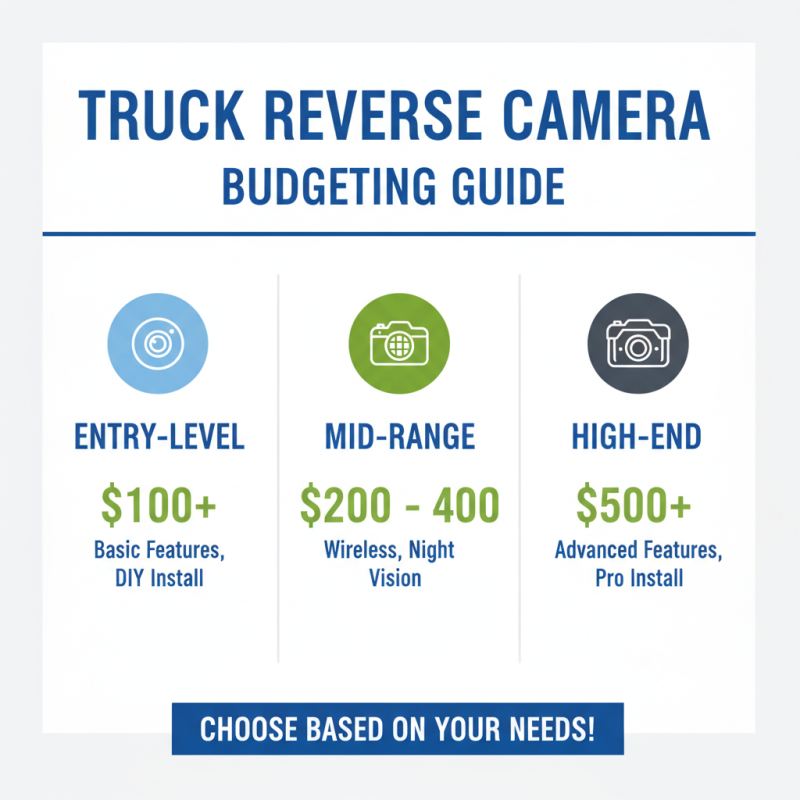
When budgeting for a truck reverse camera, you'll find various price ranges. The cost can vary based on features, quality, and installation requirements. Entry-level models may start around $100, while high-end options can exceed $500. Consider your needs carefully before making a purchase.
Think about the camera's image quality, field of view, and night vision capabilities. A reliable camera can make parking and maneuvering much easier. Installation costs should also be factored in if you're not comfortable doing it yourself. Researching installation prices can save money and ensure proper setup.
It's easy to overspend on tech features that aren’t necessary. Evaluate how often you'll use the camera. Essential features could suffice for occasional truck drivers, whereas commercial users might need advanced systems. Take time to read reviews and seek expert opinions to help guide your decision. Make informed choices rather than impulsive ones.