Top Auto Rear View Camera System Tips You Need to Know?
In today's automotive landscape, the importance of the Auto Rear View Camera System cannot be overstated. According to a report by the National Highway Traffic Safety Administration, backup cameras can reduce accidents by up to 60%. This significant statistic highlights the system's role in enhancing driver awareness and safety. Mark Johnson, a leading expert in automotive technology, once remarked, "The rear view camera is not just an accessory; it’s a necessity for modern vehicles."
As vehicles continue to evolve, the adoption of auto rear view cameras has surged. Data shows that over 70% of new cars in 2022 were equipped with this technology. Drivers now rely on these systems for better visibility, especially in crowded urban environments. Despite the advancements, not all rear view camera systems are created equal. Issues like poor image quality and lag can diminish their effectiveness. This raises questions about quality control and consumer awareness.
Automakers must ensure the reliability and clarity of these systems. A recent survey found that nearly 30% of drivers experienced some form of malfunction with their rear view cameras. This is a critical concern that both manufacturers and consumers must address. Enhanced training and standards in manufacturing can lead to improvements. Understanding these elements is vital for ensuring safety on the roads.
Essential Features of a Quality Rear View Camera System
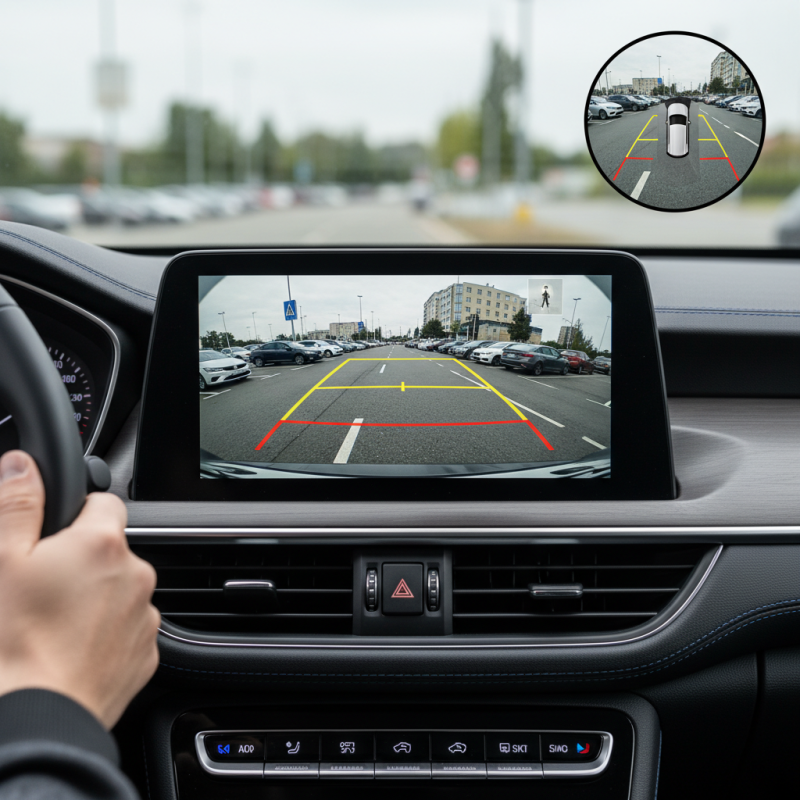
When choosing a rear view camera system, certain features are essential for safety and convenience. A quality camera should provide a wide-angle view. This helps eliminate blind spots. Look for systems with night vision capabilities. This feature is crucial for low-light environments. Clear visibility at night can prevent accidents and enhance safety.
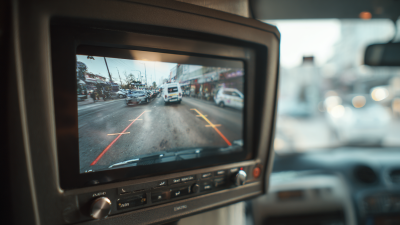
In addition, resolution matters. A higher resolution allows for clearer images. This makes it easier to spot obstacles. Sometimes, a low-resolution camera can cause frustration when reversing. The last thing you want is to squint at a blurry feed. Features like grid lines can also provide additional help. They assist in judging distances better, which is often overlooked.
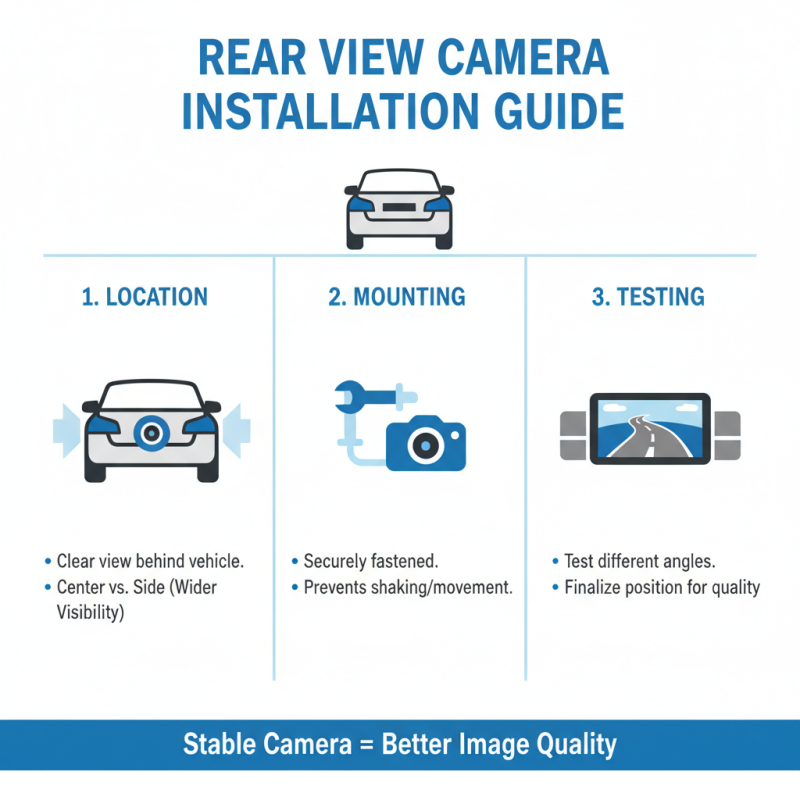
Tip: Check the installation process. Some systems are more user-friendly than others. An easy installation means you won't have unnecessary headaches. It can also be a hassle to get professional help. Sometimes, it pays to try installing it yourself, but it could lead to mistakes. Take your time to read the instructions carefully. Many people rush this step and face issues later.
Top Auto Rear View Camera System Features
This chart displays essential features of a quality rear view camera system, along with their importance ratings based on user preferences.
Understanding Different Types of Rear View Camera Technologies
When choosing a rear view camera system, understanding the types of technology available is crucial. There are generally three main types: analog, digital, and wireless. Analog systems provide basic image quality, but they may struggle in low-light conditions. Meanwhile, digital systems offer superb clarity and can handle various lighting scenarios effectively. According to a recent industry report, digital rear view cameras are becoming the standard, with a projected growth rate of over 15% annually.
Wireless systems provide convenience, eliminating cumbersome wiring. However, users may face interference issues due to other electronic devices. It's essential to consider your vehicle's environment when choosing the type of camera. Did you know that around 30% of rear-end accidents could be avoided with improved visibility? Prioritizing clarity and response time in your selection is vital.
Tip: Always test the camera during day and night. This ensures its performance in different conditions. Another practical tip is to consider cameras with wide-angle lenses. This feature offers better situational awareness. Don't forget to check the camera's resolution and field of view. A high-resolution camera with a broad view can significantly enhance safety while reversing. In reflection, even with advanced technology, user error still plays a role in rear-end accidents. So, proper training and understanding your equipment are essential.
Common Issues and Troubleshooting for Rear View Cameras
Rear view cameras enhance vehicle safety. However, they can encounter common issues that may impact performance. According to a recent industry report, about 20% of rear view camera users experience video distortion issues. This can stem from poor installation or incompatible wiring. Ensuring that the camera's video feed is properly connected can solve many of these problems.
Another frequent issue involves fault detection. Many cameras face intermittent failures, leading to a blank screen while reversing. This could be due to moisture buildup or faulty wiring. Research shows that about 15% of rear view cameras fail because of environmental factors. Regular checks may help in identifying these problems early.
Lastly, poor image quality is often reported. In fact, up to 25% of users observe grainy or unclear video. This can result from dirty lenses or low-quality cameras. Cleaning the camera lens regularly can improve visibility significantly. It’s crucial to address these problems to maintain optimal safety and usability for drivers. Adjustments and proactive maintenance can lead to a better driving experience.
Top Auto Rear View Camera System Tips You Need to Know
| Issue |
Description |
Troubleshooting Tips |
Preventive Measures |
| Blurry Image |
The camera image appears unclear or fuzzy. |
Clean the lens with a soft cloth; check for moisture. |
Regularly clean the camera and avoid exposing it to extreme weather. |
| No Power |
The camera does not turn on at all. |
Check the power connection and fuses; ensure battery is charged. |
Inspect wiring regularly; avoid overloading electrical circuits. |
| Screen Flickering |
The display screen shows intermittent flickering. |
Reboot the system; check for interference with other devices. |
Maintain a safe distance from high-frequency electronic devices. |
| Delayed Response |
There's a noticeable lag between camera feed and display. |
Check for loose connections; reset the system if necessary. |
Ensure proper installation of the system and use quality cables. |
| Poor Night Vision |
The camera performs poorly in low-light conditions. |
Check the infrared functionality; adjust brightness settings. |
Choose a camera with better night vision capability when upgrading. |
Best Practices for Maintaining Your Rear View Camera System
Maintaining your rear view camera system is crucial for safe driving. Regular inspections and cleaning are necessary. Research shows that nearly 30% of accidents occur during reversing. A clear view can significantly reduce this risk.
Tip 1: Clean the camera lens frequently. Dirt or grime can obstruct your view. Use a soft cloth with mild detergent. Avoid harsh chemicals that could damage the lens.
Tip 2: Check the camera's alignment. Misalignment can create blind spots. A properly positioned camera ensures better visibility when reversing.
Additionally, it’s important to test the system regularly. Many users overlook this point. An operational check should become part of your routine vehicle maintenance. Faulty cameras can lead to invisible hazards. Remember, investing a little time now can save you from larger issues later.
Tip 3: Update the software if applicable. Sometimes, manufacturers provide updates that enhance camera performance. These improvements can lead to better image clarity and functionality.