Why You Need a Wireless Backup Camera and Monitor for Safer Driving
In today's fast-paced world, ensuring safety on the road has never been more crucial. Recent studies indicate that backup cameras significantly reduce accidents by up to 40% in reverse scenarios, highlighting the importance of incorporating advanced safety technologies in vehicles. A Wireless Backup Camera and Monitor not only enhances visibility but also serves as a critical tool in preventing collisions with pedestrians and obstacles that may be out of direct sight.
According to industry expert Dr. Lisa Greene, a leading researcher in automotive safety, “The integration of a Wireless Backup Camera and Monitor into your vehicle can transform the driving experience by minimizing blind spots and providing peace of mind to drivers and passengers alike.” As road safety advancements continue to evolve, adopting technologies like these is paramount for both new and experienced drivers. The accessibility and reliability of wireless systems are paving the way for safer driving practices, ensuring that every journey can be undertaken with confidence and security.

Benefits of Using a Wireless Backup Camera for Enhanced Safety
Wireless backup cameras and monitors have increasingly become essential assets for enhancing driving safety. According to a report from the National Highway Traffic Safety Administration (NHTSA), nearly 292 fatalities occur annually due to backover accidents in the United States alone. These statistics underscore the pressing need for advanced safety features in vehicles. Utilizing a wireless backup camera significantly diminishes blind spots, allowing drivers to have a clearer view of their surroundings while reversing. This technology not only helps prevent accidents but also promotes greater confidence for drivers maneuvering in tight spaces.
In addition to reducing the likelihood of collisions, wireless backup cameras provide real-time visual feedback that is vital for safe driving practices. A study by the Insurance Institute for Highway Safety (IIHS) found that vehicles equipped with rear-view cameras saw a reduction in backover crashes by over 30%. This enhancement in safety is largely attributed to the increased awareness drivers gain from the immediate visual information the cameras provide. Furthermore, wireless systems afford flexibility and ease of installation, making them accessible for various vehicle types. With the increasing adoption of advanced driver-assistance technologies, investing in a wireless backup camera and monitor can serve as a proactive step toward safer driving experiences.
Benefits of Using a Wireless Backup Camera for Enhanced Safety
How Wireless Backup Cameras Improve Parking and Maneuvering
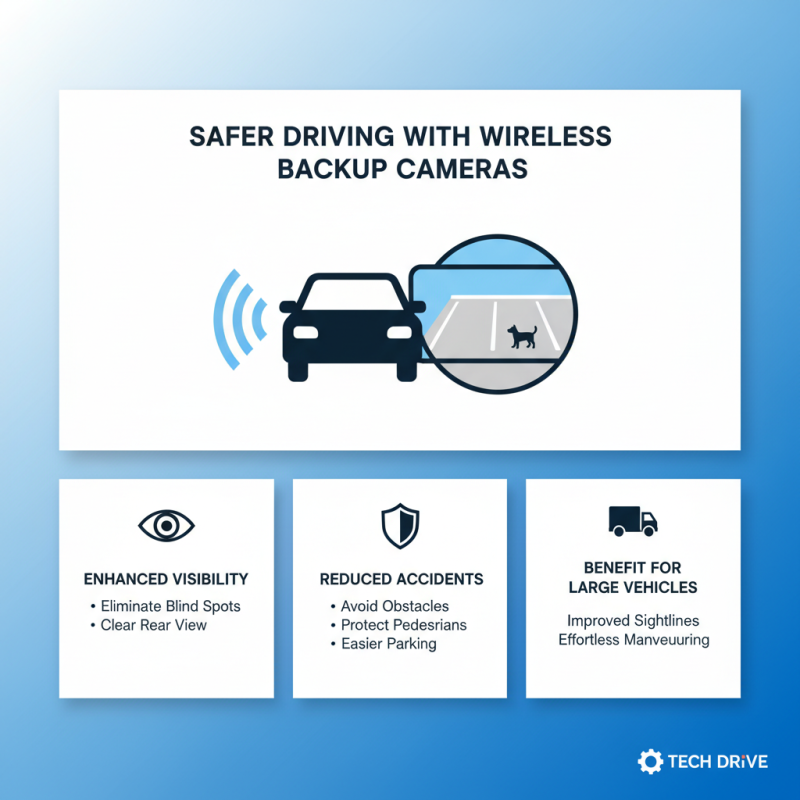
Wireless backup cameras have become an essential tool for safer driving, particularly when it comes to parking and maneuvering in tight spaces. One of the primary advantages of these systems is the enhanced visibility they provide. Traditional mirrors often blind spots that can lead to accidents, especially when reversing. A wireless backup camera offers a clear view of what lies behind the vehicle, significantly reducing the chances of collisions with obstacles, pedestrians, or other vehicles. This improved perspective is particularly beneficial for larger vehicles that may have limited sightlines.
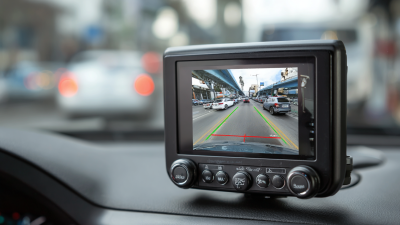
In addition to boosting visibility, wireless backup cameras facilitate smoother parking maneuvers. Equipped with guidance lines displayed on the monitor, these cameras assist drivers in assessing distances and angles more accurately. This technology enables individuals to judge how close they are to curbs, walls, or neighboring cars, leading to confident and precise parking. As a result, drivers can enhance their spatial awareness, making it easier to navigate tricky parking situations without the stress and anxiety typically associated with them. This combination of heightened awareness and user-friendly technology ultimately contributes to a safer driving experience overall.
Features to Consider When Choosing a Wireless Backup Camera System
When choosing a wireless backup camera system, several key features should be considered to enhance safety and usability. According to a recent report by the National Highway Traffic Safety Administration (NHTSA), approximately 200 fatalities and 14,000 injuries occur each year in backup-related incidents. A quality wireless system significantly mitigates these risks through enhanced visibility. Look for cameras with a wide-angle lens that provides a field of view of at least 120 degrees, as this can help eliminate blind spots and give drivers a clearer perspective of their surroundings.
Another vital aspect is the camera’s resolution. Systems with at least 720p HD resolution deliver clearer and more detailed images, making it easier to spot pedestrians or objects behind the vehicle. Additionally, consider systems with night vision capabilities, which are essential for low-light conditions. A study published by the Insurance Institute for Highway Safety (IIHS) highlights that night visibility systems can reduce backing crashes by up to 30%. Lastly, evaluate the camera's durability and weather resistance rating, as this ensures longevity and consistent performance in various environmental conditions. Investing in a robust wireless backup camera system can make a significant difference in driving safety.
Why You Need a Wireless Backup Camera and Monitor for Safer Driving - Features to Consider When Choosing a Wireless Backup Camera System
| Feature |
Description |
Importance |
Average Price |
| Wireless Transmission |
Eliminates the need for cumbersome wiring |
High |
$100 - $300 |
| Night Vision |
Allows visibility in low light conditions |
High |
$150 - $350 |
| Wide Angle Lens |
Provides a broader view of the surroundings |
Medium |
$120 - $280 |
| High Definition Video |
Ensures clear and detailed video output |
High |
$200 - $400 |
| Monitor Size |
Should be large enough for easy viewing |
Medium |
$50 - $150 |
| Weather Resistance |
Protects the camera from rain and dust |
High |
$80 - $200 |
The Role of Monitors in Maximizing Visibility and Reducing Blind Spots
The integration of wireless backup cameras and monitors into vehicles has proven to be a vital advancement in enhancing driver safety, particularly when it comes to maximizing visibility and mitigating blind spots. A study from the National Highway Traffic Safety Administration (NHTSA) indicates that nearly 30% of all backover accidents involve serious injury or fatalities, often due to limited visibility when reversing.
Wireless backup cameras provide a clear view of the areas that drivers might typically overlook, allowing for a full range of vision behind the vehicle.
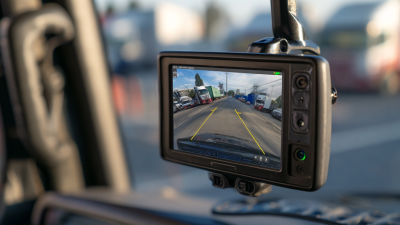
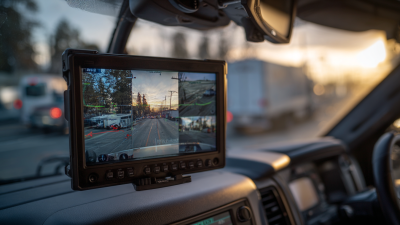
Monitors play a crucial role in this system by delivering real-time video feeds directly to the driver, enabling them to navigate complex environments safely. Research conducted by the Automotive Safety Council shows that vehicles equipped with rear-view cameras can reduce crash rates by up to 17%. Furthermore, monitors enhance the efficacy of parking assistance features by displaying guidelines that help in accurately positioning the vehicle. This combination not only fosters greater awareness of surrounding obstacles but also instills confidence in drivers during tricky maneuvers, particularly in crowded spaces or urban environments where blind spots are notorious.
Comparing Wireless and Wired Backup Camera Systems for Driving Safety
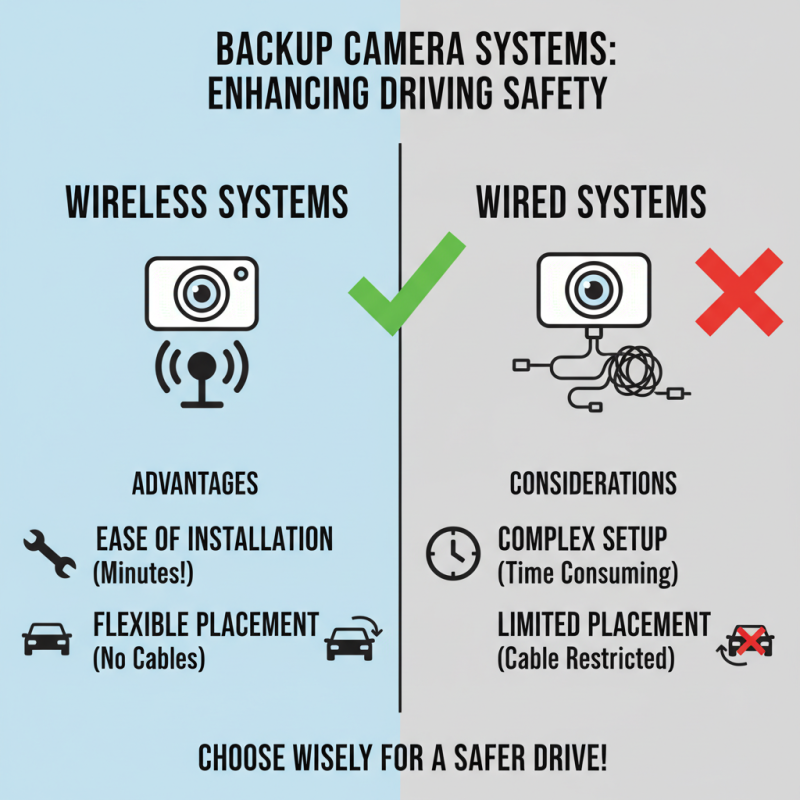
When it comes to enhancing driving safety, the choice between wireless and wired backup camera systems is crucial. Wireless systems offer significant advantages, primarily through ease of installation and flexibility. Without the need to run cables through the vehicle, installation can often be accomplished in a matter of minutes, allowing drivers to enjoy the benefits of a backup camera without the hassle of complex setup. Additionally, wireless systems provide greater versatility in terms of camera placement, as they are not restricted by the length and routing of wires.
On the other hand, wired backup camera systems tend to offer more stable connections and potentially better video quality, as they are less prone to interference. This reliability can be vital in critical situations where clear visual feedback is necessary. However, they may require more technical knowledge to install and can be more cumbersome to retrofit in certain vehicles. Ultimately, the decision should align with individual preferences for convenience versus reliability. Exploring both options ensures that drivers can make informed choices to promote safety on the road.