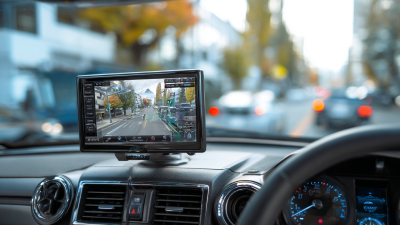
What is a Wireless Rearview Camera and Why Do You Need One?
In today's fast-paced world, safety on the road is more crucial than ever. A Wireless Rearview Camera offers a practical solution for enhancing vehicle security and visibility. As drivers, we often overlook the blind spots that can lead to accidents. This advanced technology provides a clear view of what’s behind you, minimizing risks associated with reversing.
Many people underestimate the importance of such devices. A Wireless Rearview Camera not only assists in parking but also helps during busy traffic situations. It fosters a sense of confidence for both new drivers and seasoned professionals. Having instant access to a live feed of the rear view can make all the difference in ensuring safe maneuvering.
But it's essential to recognize that while this tool is beneficial, it's not a replacement for vigilant driving. Relying solely on technology can lead to complacency. Therefore, educating yourself on its proper use is invaluable. A Wireless Rearview Camera is an excellent investment for improving safety, but awareness and caution remain paramount.

What is a Wireless Rearview Camera?
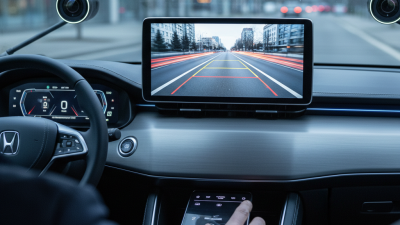
A wireless rearview camera is a modern automotive safety tool. It provides drivers with a clear view of the area behind their vehicle. Using wireless technology, it connects to a display screen inside the car. This eliminates the need for cumbersome wiring that can complicate installation.
The purpose of having a wireless rearview camera goes beyond mere convenience. It enhances safety during parking and reversing. Many accidents happen in parking lots due to blind spots. A rearview camera can help reduce these risks by providing an easy-to-see perspective. Drivers can avoid obstacles and pedestrians more effectively.
However, there are some drawbacks to consider. Wireless cameras can experience signal interference, leading to inconsistent functionality. The installation process may also pose challenges. Proper alignment and positioning are key for optimal performance. It's crucial to reflect on these potential issues before deciding to install one.
How Does a Wireless Rearview Camera Work?
A wireless rearview camera is an innovative tool that enhances driving safety. It provides a clear view of the area behind a vehicle, reducing blind spots that can lead to accidents. According to a 2022 industry report by the National Highway Traffic Safety Administration, reversing injuries account for nearly 200 deaths each year in the U.S. alone. This statistic underscores the critical need for effective back-up solutions.
Wireless rearview cameras utilize digital signals to transmit images to a display screen inside the vehicle. They consist of a camera mounted at the rear and a receiver connected to the display. When the car is reversed, the camera activates automatically. Research shows that these systems can improve parking accuracy by over 50%. The benefit of avoiding collisions is invaluable. Yet, these cameras can suffer from interference in urban areas due to other signals.
While many drivers are adopting this technology, challenges remain. Some may struggle with installation or compatibility issues. Moreover, the accuracy of the camera can vary depending on the model and environmental conditions. It's essential to recognize that while the technology greatly improves safety, it should not replace traditional checking methods. Awareness and caution remain crucial when reversing, even with assistance from a wireless rearview camera.
Key Benefits of Using a Wireless Rearview Camera
A wireless rearview camera offers several advantages for drivers. One significant benefit is enhanced safety. With real-time video feed displayed on a screen, drivers can have a clear view of obstacles behind the vehicle. This can prevent accidents, especially when reversing in tight spaces or crowded areas.
Another key benefit is easy installation. Unlike traditional wired cameras, wireless models eliminate the need to run cables through your vehicle. This means quicker setup and fewer issues with wiring. Many users find that they can install these cameras in just a few minutes.
Tips: Always check the camera’s range before installation. Ensure it covers the area you need. Regularly clean the lens to maintain visibility. Also, test the connection frequently. A good wireless camera should provide uninterrupted transmission. These simple steps can improve your experience significantly.
Benefits of Using a Wireless Rearview Camera
Installation Process of a Wireless Rearview Camera
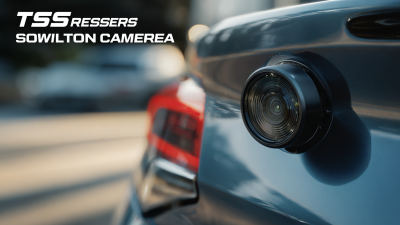
Installing a wireless rearview camera can significantly enhance your driving experience. To begin the installation process, carefully choose a mounting location. This is often just above the rear license plate. Ensure that the camera has a clear line of sight to capture the area behind your vehicle.
Next, connect the camera to the power source. Most wireless rearview cameras are compatible with your vehicle's reverse light. When you put your car in reverse, the camera activates. This setup can often involve splicing wires, which requires attention to detail. Ensuring proper connections will avoid future issues.
Tips: Always check compatibility with your vehicle's electrical system. Incorrect connections can lead to malfunction.
After wiring, you’ll need a monitor to view the camera feed. Many opt for a dashboard-mounted screen or a connected smartphone. Position it within easy reach. Double-check that the camera angles correctly. Misalignment can lead to blind spots.
Tips: Make sure to test the camera's range before completing the installation. Adjust if necessary.
Reviewing your work helps ensure safety. It's easy to overlook simple details. Take your time with the process for the best results. Even small mistakes can lead to significant issues down the line.
Factors to Consider When Choosing a Wireless Rearview Camera
When choosing a wireless rearview camera, several factors are crucial. First, consider the resolution. A camera with at least 720p HD quality ensures clear images. According to a report by the Intelligent Transportation Systems Society, high-resolution cameras can reduce blind spots up to 50%. This clarity is essential for safe driving.
Next, evaluate the wireless range. A reliable camera should transmit signals effectively over distances of at least 30 feet. This is particularly important for larger vehicles, as connectivity can diminish. Additionally, ease of installation matters. Many models offer simple DIY setups. Compatibility with various vehicle types increases their appeal.
Finally, battery life is significant. Look for cameras with battery durations of six hours or more. This ensures they function properly during long journeys. Neglecting these aspects can lead to frustrations. It's vital to reflect on your specific needs. The right features enhance safety and driving confidence.
What is a Wireless Rearview Camera and Why Do You Need One?
| Feature |
Description |
Importance |
| Video Quality |
Resolution and clarity of the camera feed. |
High-quality video helps in better visibility and safety. |
| Wireless Connection |
Eliminates the need for extensive wiring. |
Easier installation and maintenance. |
| Night Vision |
Capability to see in low light conditions. |
Enhances safety when reversing in darkness. |
| Field of View |
The area covered by the camera. |
Wider field of view reduces blind spots, increasing safety. |
| Durability |
Resistance to weather and physical damage. |
Ensures longevity and reliable performance. |
| Ease of Use |
User-friendly interface and controls. |
Promotes safe usage and reduces distraction. |
| Installation Type |
Mounting style and difficulty level in installation. |
Simpler installations can save time and costs. |