What is a Backview Camera and How Does it Enhance Vehicle Safety?
In the realm of automotive safety, the backview camera has emerged as a crucial technology. Defined as a rear-facing camera installed in vehicles, it aids drivers in avoiding obstacles while reversing. This innovative device enhances situational awareness, providing a clear view of what lies behind.
A backview camera significantly reduces blind spots. Its wide-angle lens captures more area than the driver’s line of sight. More than just a convenience, this technology has the potential to prevent accidents. Many drivers may underestimate its importance until they face near-miss situations. Statistics suggest that vehicles equipped with backview cameras experience fewer collisions.
Yet, reliance on technology can create a false sense of security. Drivers may forget to check mirrors or look behind them. Backview cameras should complement safe driving habits, not replace them. This blend of technology and awareness shapes a safer driving experience, encouraging a mindset of caution and vigilance on the road.

What is a Backview Camera and Its Role in Vehicle Safety?
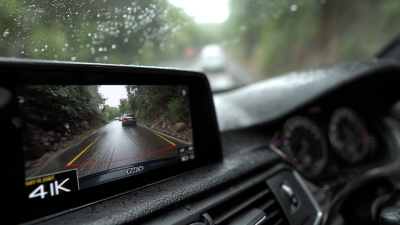
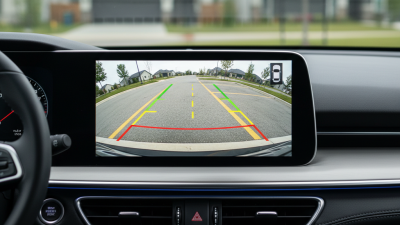
A backview camera is an essential tool for modern vehicles. It provides drivers with a clear view of what is behind them. Typically mounted on the rear of the vehicle, the camera displays real-time video on a dashboard screen. This view can prevent collisions while reversing, making it safer to navigate tight spaces. The advantage is particularly noticeable in busy parking lots or crowded streets.
Drivers often underestimate blind spots. A backview camera helps mitigate this issue. With its wide-angle lens, it captures areas that mirrors may not cover. However, reliance solely on this technology can be risky. Not every situation is captured, especially low-lying obstacles. It’s crucial for drivers to remain aware of their surroundings. Training to use these cameras effectively can enhance safety.
Moreover, the presence of a backview camera contributes to overall vehicle safety. It can assist in various situations, such as parallel parking or maneuvering in congested areas. Yet, some people still fail to check manually before reversing, which can lead to accidents. Understanding how to integrate this technology into driving habits is essential for maximizing safety benefits.
Understanding the Technology Behind Backview Cameras and Their Functionality
Backview cameras have changed how drivers perceive their surroundings. These cameras provide a clear view of the area behind a vehicle, often utilizing wide-angle lenses. According to the National Highway Traffic Safety Administration (NHTSA), backup cameras can prevent nearly 58% of accidents that occur when reversing. This statistic highlights the effectiveness of this technology in reducing collisions and enhancing safety.
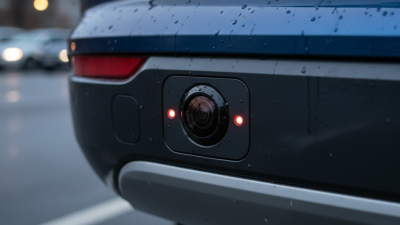
The functionality of backview cameras rests on two key components: the camera itself and the display system. The camera is typically mounted above the rear license plate, capturing a wide field of vision. This visual feed is transmitted to a screen, allowing drivers to see what lies behind them in real-time. While this technology significantly aids in avoiding obstacles, it is essential for drivers to remain vigilant. Cameras may not capture everything, such as low-ground objects like bicycles.
Despite the advantages, relying solely on backview cameras can lead to complacency. Drivers may miss crucial visual cues that traditional mirrors would provide. Integrating backview cameras into driving routines requires awareness of their limitations. Research indicates that while cameras reduce accidents, they do not eliminate the need for drivers to use their mirrors and check blind spots. This balance between technology and vigilance is vital for ensuring overall safety on the road.
Key Statistics: How Backview Cameras Reduce Accidents and Prevent Injuries
Backview cameras are becoming essential in modern vehicles. They play a critical role in enhancing safety, especially during reversing. According to a study by the Insurance Institute for Highway Safety (IIHS), vehicles with backview cameras have a 30% lower likelihood of being involved in backover accidents. This statistic highlights their effectiveness in reducing crashes related to limited visibility.
In the U.S., nearly 210 fatalities occur each year due to backover incidents, according to data from the Centers for Disease Control and Prevention (CDC). These tragic figures emphasize the need for improved vision. With backview cameras, drivers gain a wider perspective, covering blind spots that are often missed. The National Highway Traffic Safety Administration (NHTSA) states that these cameras help prevent injuries by offering real-time visuals of the rear area.
Despite these benefits, some users may struggle with camera reliance. They might neglect to check mirrors or look around. This oversight can lead to accidents despite the technology available. Education on how to use these cameras effectively remains crucial. The blend of technology and awareness can significantly lower risks. Overall, backview cameras undeniably enhance vehicle safety when used properly.
Comparing Backview Cameras to Traditional Mirrors: An Overview of Safety Benefits
Backview cameras offer significant safety benefits compared to traditional mirrors. They provide a wide-angle view of the area behind a vehicle. This helps drivers spot pedestrians, cyclists, and obstacles that may not be seen in standard mirrors. The camera feeds directly onto the dashboard screen, enhancing visibility in low-light conditions. This visibility is especially crucial when maneuvering in crowded spaces.
While traditional mirrors rely on the driver’s line of sight, backview cameras eliminate blind spots. Drivers can react more effectively to hazards. Studies suggest that vehicles equipped with these cameras have lower collision rates during reversing. Nevertheless, issues can arise with dirt, water, or snow obscuring the camera lens. Regular maintenance is essential for optimal functioning.
In some situations, drivers may still find themselves relying on mirrors. Backview cameras are not a complete replacement. They require driver attention and good judgment. Integrating both systems can provide a more comprehensive safety approach. Balancing these tools can lead to safer driving experiences.
Future Innovations in Backview Camera Systems and Their Impact on Road Safety
The evolution of backview camera systems is paving the way for enhanced vehicle safety. Advanced features, such as 360-degree views and object detection, are becoming standard. According to the National Highway Traffic Safety Administration (NHTSA), backover incidents cause over 200 fatalities each year. Innovative camera systems can significantly reduce these accidents, offering drivers a clearer sight of their surroundings.
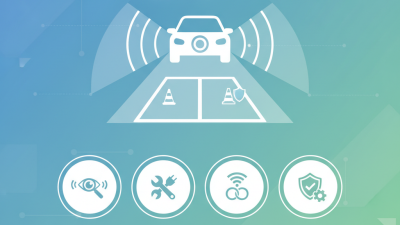
Futuristic technologies are on the horizon. Integrating artificial intelligence can elevate backview cameras further. These systems will recognize pedestrians and obstacles in real-time, providing alerts to drivers. Reports forecast that by 2025, advanced backview systems will reduce backover crashes by 30%. This progress highlights the importance of investing in sophisticated camera technology.
Tips for maximizing backview camera safety: Regularly clean your camera lens for optimal visibility. Pay attention to notifications from your system, as they can warn you about potential hazards. Don't solely rely on technology; always check your surroundings visually before reversing. Be aware that even advanced systems may not catch every obstacle, especially at wide angles.
Backview Camera Systems and Their Impact on Vehicle Safety