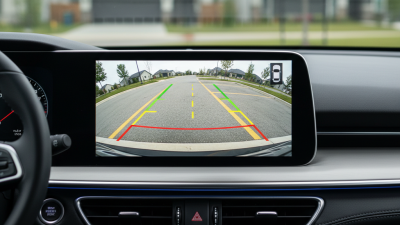
Choosing the best Android Backup Camera from China requires more than comparing screen size and price. A reliable system should provide clear images, stable wireless performance, and practical installation support. In real use, details matter. A camera must show a child’s bicycle, a narrow parking line, or a wet driveway without excessive blur. The monitor should remain readable under strong sunlight. Night vision also deserves careful attention, especially when reversing beside dark fences or poorly lit garages.
This guide examines Chinese Android Backup Camera options through specifications, user experience, and practical testing considerations. It considers camera resolution, viewing angles, signal range, waterproof construction, Android compatibility, and power management. Installation instructions, connector quality, and customer support also influence long-term value. A low price may look attractive, but weak cables or delayed video can create frustration every day. No single model wins every test. Personal vehicle design, driving habits, and budget change the answer.
The evaluation remains careful rather than absolute. Product specifications can sound impressive, yet real performance may differ between vehicles and environments. I would test each camera during daylight, rain, darkness, and tight parking conditions. I would also check whether the image freezes when the vehicle moves behind walls or metal structures. Some conclusions may need revision after longer use. That uncertainty is worth admitting. Readers can use this framework to compare products honestly and select an Android Backup Camera that fits their actual vehicle, technical ability, and safety expectations.
An Android backup camera from China is a vehicle camera system manufactured or assembled in China and connected to an Android-based display. It is not simply a phone application. The system usually includes a rear camera, monitor, wiring harness, and software for reverse viewing. Some models also support navigation, recording, parking guidelines, and hands-free functions.
In practical installation work, I check the camera angle before tightening the screws. A lens mounted too high can hide a low obstacle. A lens mounted too low may show too much bumper. Clear night visibility also depends on sensor quality, infrared performance, and nearby lighting. Waterproof protection matters because rain can enter poorly sealed connectors. Test it twice.
The display should respond quickly after the vehicle shifts into reverse. Noticeable delay can make parking uncomfortable. I also verify voltage compatibility, cable length, steering-wheel controls, and the vehicle’s available dashboard space. Sellers should provide measured specifications, wiring diagrams, testing records, and warranty terms. Independent reviews are useful, but they do not replace a hands-on inspection. I once underestimated installation noise from a loose trim panel, so I now check every clip and connector. Android software can feel convenient, yet updates and compatibility may vary between vehicles. A careful buyer should confirm return procedures and local installation requirements before ordering.

When comparing an Android backup camera made in China, I start with visibility, not screen size. The best system should show a clear image in rain, darkness, and direct sunlight. NHTSA’s Federal Motor Vehicle Safety Standard 111 defines a rear field extending 10 feet by 20 feet. That measurement gives buyers a practical test. Ask for measured coverage, not “wide angle” advertising.
Night performance matters. Look for a low-light sensor, infrared assistance, and stable exposure without glowing license plates. NHTSA estimated that its rear-visibility rule could prevent 42,000 injuries and save 58 to 69 lives annually after full implementation. IIHS also warns that cameras cannot remove every blind zone. A careful driver still needs mirrors and a shoulder check. Small warning.
An Android display should respond quickly, support split-screen navigation, and remain readable with gloves. A wired video connection usually offers lower delay than wireless pairing. Wireless pairing is convenient, but crowded radio environments can interrupt it. At least 720p may look adequate, yet lens quality, mounting angle, and screen brightness often matter more. I would inspect sample footage before ordering. Factory origin alone proves little. Weather sealing, connector protection, software update support, and installation instructions deserve equal attention. One weakness remains easy to miss: a bright screen can distract at night, so automatic dimming is essential.
| Feature Dimension | Recommended Standard | Why It Matters | Practical Evaluation |
|---|---|---|---|
| Android Operating System | Android 10 or later with Google-compatible application support | Provides access to navigation, media, vehicle-monitoring, and parking applications while maintaining reasonable compatibility. | Check the installed Android version, application compatibility, update policy, and system stability. |
| Display Size | 7 to 10 inches | Offers enough viewing area for reversing images without occupying excessive dashboard space. | Confirm that the screen fits the vehicle interior and remains readable from the normal driving position. |
| Screen Resolution | At least 1024 × 600; 1280 × 720 preferred | Higher resolution makes parking lines, obstacles, and low-contrast objects easier to identify. | View a live camera feed and check image sharpness, text clarity, and screen uniformity. |
| Touchscreen Performance | Capacitive multi-touch panel with usable brightness above 400 cd/m² | Supports quick control and improves visibility in bright daytime conditions. | Test touch accuracy, viewing angles, glare resistance, and readability under direct sunlight. |
| Camera Resolution | 1080p preferred; 720p acceptable for basic parking use | Provides more visible detail around the rear bumper and nearby obstacles. | Compare live images at daytime and nighttime, especially around license plates and dark objects. |
| Viewing Angle | Approximately 120° horizontal viewing angle; up to 170° diagonal depending on lens design | A wider view reduces blind areas, but an excessively wide lens may increase edge distortion. | Check the actual field of view and verify that nearby corners remain usable rather than heavily distorted. |
| Night Visibility | Low-light image sensor with infrared assistance or equivalent night-vision support | Improves visibility in unlit parking areas and reduces dependence on external lighting. | Test the camera in darkness, rain, and areas with strong headlights to check noise and glare. |
| Reverse Activation | Automatic switching through a reverse-trigger input, ideally within about one second | Fast activation gives the driver a timely view when selecting reverse gear. | Engage reverse repeatedly and check activation speed, consistency, and image stability. |
| Parking Guidelines | Adjustable distance markers with optional trajectory guidance | Correctly positioned guidelines help estimate distance and vehicle direction during parking. | Verify that lines can be calibrated or disabled and do not obscure important objects. |
| Vehicle Compatibility | 12 V and 24 V compatibility with regulated power input | Allows use in passenger vehicles, vans, trucks, and other commercial applications when correctly installed. | Confirm operating voltage, current consumption, connector type, and fuse requirements before installation. |
| Weather Resistance | Camera housing rated at least IP67 | Protects the external camera against dust and temporary water immersion under defined test conditions. | Request an IP test report and inspect seals, cable joints, mounting hardware, and drainage design. |
| Operating Temperature | Approximately −20°C to 70°C for the camera; confirm the display range separately | Supports reliable operation across common winter and summer vehicle conditions. | Review temperature test data and check startup behavior after cold and hot exposure. |
| Connectivity | Wired video input for the most stable reverse feed; wireless options should include interference protection | A stable connection minimizes delay, interference, and image dropouts while reversing. | Test the system near other wireless devices and check for visible delay during vehicle movement. |
| Audio and Safety Alerts | Optional microphone, speaker, and proximity-alert support | Audio guidance can supplement the image when obstacles are outside the camera’s clearest view. | Check alert accuracy, volume adjustment, false alarms, and whether alerts can be disabled. |
| Installation and After-Sales Support | Clear wiring diagram, standardized connectors, replacement parts, and documented warranty terms | Good installation support improves reliability and reduces downtime when components need replacement. | Request manuals, wiring diagrams, spare-part availability, quality certificates, and warranty coverage in writing. |
What Is the Best Android Backup Camera from China?
Choosing an Android backup camera requires more than reading its resolution. In real driving, image quality depends on lens angle, sensor performance, exposure control, and night visibility. A camera may advertise high definition, yet produce blurred edges or strong glare under a garage light. I would test it at noon, in rain, and after sunset. Look for clear license-plate outlines, natural colors, and low motion delay. A small amount of noise is acceptable. A frozen image is not.
Display compatibility is equally important. Check whether the camera outputs CVBS, AHD, or another signal supported by the Android head unit. Confirm the required resolution and refresh format before installation. Some screens accept only one signal type, despite using similar connectors. The picture may appear black, distorted, or unstable. I learned this after assuming a matching plug guaranteed compatibility. It did not.
Connectivity affects daily confidence. Wired systems usually provide steadier transmission, while wireless systems can simplify installation. However, nearby electronics, poor grounding, or weak power connections may create interference. Choose sealed connectors, adequate cable length, and a camera with a practical viewing angle. Verify the stated water-resistance rating through documentation, not only product photos. Installation quality still matters. A carefully mounted average camera can outperform a poorly wired premium-spec model.
Choosing an Android backup camera requires more than checking screen size or camera resolution. Vehicle compatibility matters most. Confirm the camera supports your vehicle’s voltage, reverse-light signal, and display connection. Some vehicles send unstable signals through their wiring. An adapter or relay may be necessary. Check the dashboard opening before ordering. A few millimeters can prevent a clean, secure fit.
Installation quality also affects safety and daily reliability. Route the video cable away from ignition coils, sharp metal edges, and moving panels. Seal the cable entry near the license plate with automotive-grade weatherproof material. The camera should sit near the vehicle centerline. A low or tilted mounting position can distort distance judgment. Use a camera with a suitable viewing angle and a strong water-resistance rating. In real installations, even good equipment can perform poorly after careless wiring. I would not trust a quick plug-and-play claim without checking the vehicle’s wiring diagram.
Tips: Test the camera before hiding the cables. Mark the cable route with removable tape. Check the image in daylight and darkness. Leave enough slack near hinges and tailgates. Ask a qualified installer to verify grounding, fuse protection, and steering-wheel control compatibility. A professional inspection may expose small problems early.
A useful compromise is choosing a simpler system that fits correctly. More features are not always better. A stable image, accurate guidelines, and dependable switching usually matter more than extra applications.
Choosing a reliable Chinese Android backup camera supplier requires more than comparing online prices. The supplier should understand vehicle wiring, camera angles, waterproofing, and Android compatibility. Ask for a complete specification sheet before discussing large orders. It should list screen resolution, operating temperature, camera viewing angle, night vision performance, and supported vehicle systems.
Request a working sample from the same production line. Test it in daylight, rain, darkness, and tight parking spaces. Check whether the image appears quickly after shifting into reverse. Inspect the connector, cable length, mounting bracket, and housing seal.
A professional supplier should provide test records, quality procedures, and clear warranty terms. Factory photographs help, but an independent audit gives stronger evidence. Product certificates must match the actual model, not an older version. This detail is often missed.
Tips:
Ask how rejected units are handled. Confirm spare-part availability and software update support. Discuss packaging drop tests and moisture protection. A low price can hide weak cables or unstable firmware. I have seen attractive samples fail after several weeks because heat testing was too limited. That is an uncomfortable lesson. Do not rely only on polished videos. Check communication speed, technical answers, and willingness to correct small problems. A dependable supplier accepts questions and documents changes clearly. Also confirm that the product meets the destination market’s vehicle and electrical safety requirements.