Best Backup Cameras for Enhanced Safety and Visibility in 2023
In the fast-evolving world of automotive safety, backup cameras have emerged as an essential feature for modern vehicles. As we dive into the best backup cameras available in 2023, it's crucial to understand their significance in enhancing safety and visibility for drivers and pedestrians alike. According to automotive safety expert Dr. Emily Carter, "Backup cameras not only help prevent accidents but also instill confidence in drivers, especially during challenging maneuvers." This underscores the growing reliance on technology to bolster our driving experience.
The integration of backup cameras into vehicles has revolutionized how we reverse and park, providing a clear view of the area behind us and minimizing blind spots. In 2023, advancements in camera technology have introduced features such as high-definition resolution, wide-angle views, and even obstacle detection, making these devices more accessible and effective than ever before.
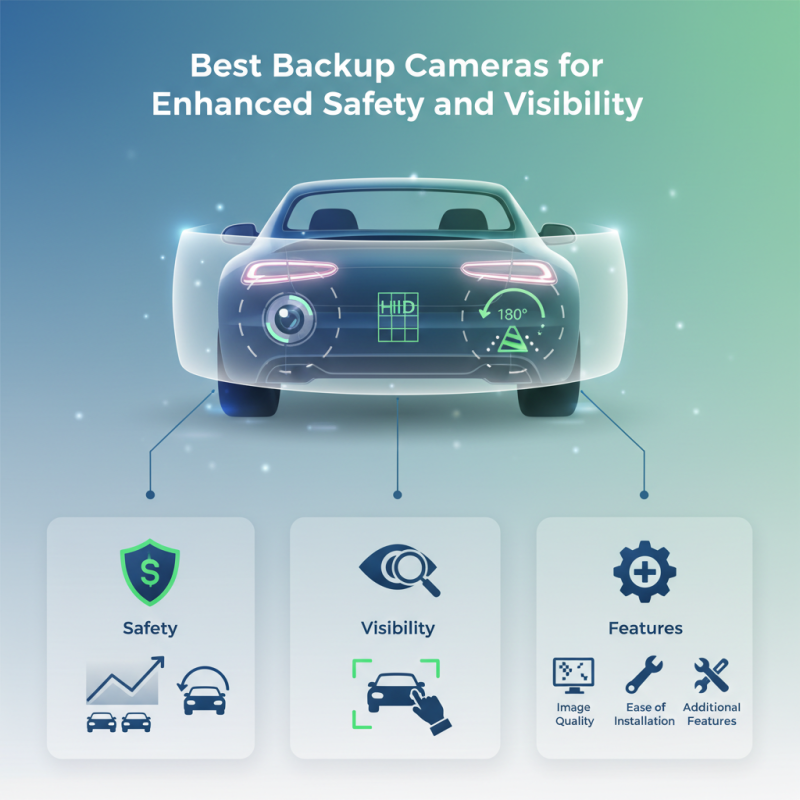
As we explore the top options on the market, it’s essential to consider various factors such as image quality, ease of installation, and additional features that enhance functionality. In a world where safety is paramount, the right backup camera can be a game-changer, ensuring peace of mind as we navigate our daily travels.
Key Features to Consider in Backup Cameras for 2023
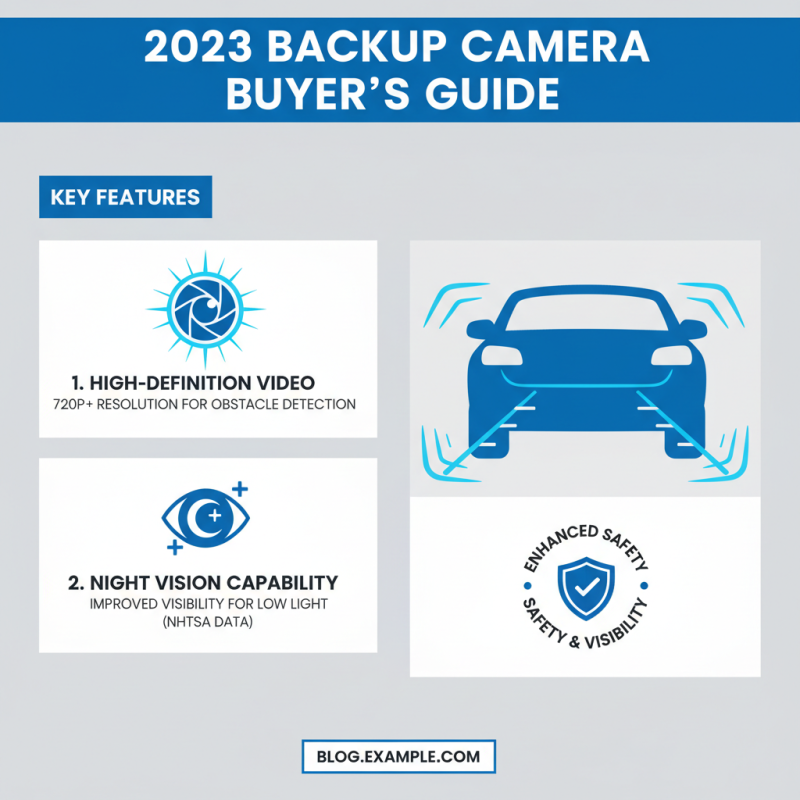
When selecting a backup camera for enhanced safety and visibility in 2023, several key features should be considered. High-definition video quality is paramount, as research indicates that images with at least 720p resolution significantly improve a driver's ability to detect obstacles and pedestrians in their path. Additionally, cameras equipped with night vision capabilities enhance visibility in low-light conditions, an important consideration given that a report by the National Highway Traffic Safety Administration (NHTSA) emphasizes that a substantial percentage of accidents occur at night.
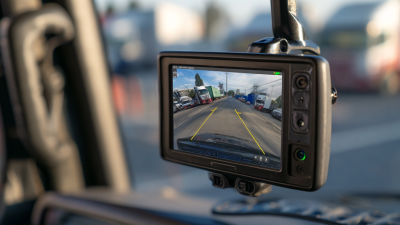
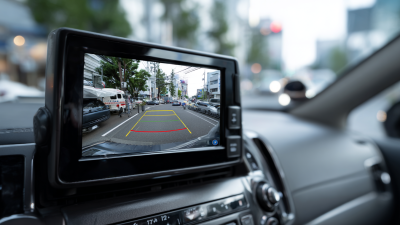
Another critical feature is the field of view. Backup cameras should provide a broad perspective, ideally over 120 degrees, which can reduce blind spots and allow drivers to better gauge their surroundings. Furthermore, cameras with dynamic guidelines assist drivers in accurately estimating distances and angles when reversing, making it easier to navigate tight spaces safely.
Tips: When choosing a backup camera, consider opting for models that integrate advanced technology, such as sensor alerts, which can provide an extra layer of safety. Regularly maintaining the camera by cleaning the lens can also ensure optimal performance, particularly in varying weather conditions. Additionally, check for systems that allow for easy installation and compatibility with your vehicle's existing infotainment system, as this can greatly enhance your overall driving experience.
Top-rated Backup Cameras for Enhanced Safety and Visibility
When it comes to enhancing safety and visibility while driving, especially when reversing, investing in a quality backup camera can make all the difference. Top-rated backup cameras are designed to provide clear imagery and advanced features that facilitate safer driving. They often include high-definition video, wide-angle views, and night vision capabilities, helping drivers detect obstacles that may not be visible through mirrors alone. With the increasing prevalence of rear-end collisions, these cameras act as a crucial aid in preventing accidents and ensuring a safer environment for both drivers and pedestrians.
Tips for choosing the right backup camera include considering the resolution and field of view. A higher resolution provides clearer images, while a wider field of view gives you a better perspective of your surroundings. Also, look for models with additional features such as grid lines that aid in parking and distance tracking. Installation flexibility is another important factor—some cameras can be easily mounted on license plates or rear bumpers, allowing for versatile usage across different vehicles.
Additionally, consider backup cameras with built-in sensors or alerts. These systems can detect nearby objects and warn drivers of potential hazards, further enhancing situational awareness. A model that integrates seamlessly with your vehicle's existing systems can provide not only improved visibility but also enhanced safety through real-time feedback, making it a valuable investment for any driver in 2023.
Comparison of Wired vs. Wireless Backup Cameras in 2023
When considering the best backup cameras for enhanced safety and visibility in 2023, the choice between wired and wireless systems is crucial. Wired backup cameras have been lauded for their reliability, as they typically offer a direct connection to the monitor, resulting in stable video transmission without interference. According to the National Highway Traffic Safety Administration (NHTSA), vehicles equipped with backup cameras can reduce accidents by nearly 40%, highlighting the importance of choosing a dependable system.
On the other hand, wireless backup cameras provide the convenience of easier installation and less clutter, as they eliminate the need for extensive wiring. However, it's essential to note that these systems may be susceptible to signal interference from other electronic devices, which can result in a drop in video quality. Industry reports suggest that advancements in wireless technology have improved the performance of these cameras, but drivers should remain mindful of environmental factors that could impact signal strength.
Tips:
- When selecting a backup camera, assess your installation capabilities. If you prefer a swift setup without dealing with cables, a wireless system may suit you.
- Ensure that the wireless camera's frequency bandwidth is compatible with your vehicle's systems to minimize interference risks.
- For those who prioritize reliability over convenience, a wired system is often the safer choice to ensure uninterrupted video feed during critical maneuvers.
Installation Tips for Optimal Use of Backup Cameras
Installing a backup camera correctly is essential for maximizing safety and ensuring optimal visibility when reversing.
According to a report from the National Highway Traffic Safety Administration (NHTSA), rearview camera systems can reduce backing-related crashes by up to 23%.
This statistic highlights the pressing need for proper installation practices to harness the full potential of these safety devices.
When beginning the installation process, one of the most crucial steps is to select an appropriate mounting location. Ideally, the camera should be placed at the rear of the vehicle, avoiding any obstructions that could hinder its field of view.
Many experts recommend angling the camera slightly upward to capture the full range of vision behind the vehicle.
Additionally, adhering to the manufacturer’s guidelines is vital to avoid any interference with the vehicle's existing electrical systems, which could compromise performance.
Once the camera is installed, calibration is key. The camera's settings should be adjusted to ensure distortion-free images and accurate object detection.
Data from the Insurance Institute for Highway Safety (IIHS) indicates that dash cameras integrated with advanced driver-assistance systems create a comprehensive safety net,
as they can provide both visual cues and alert drivers to potential obstacles. Following these installation tips can significantly improve the effectiveness of backup cameras and
enhance driver confidence on the road.
User Reviews and Real-world Performance of Backup Cameras
When it comes to backup cameras, user reviews play a crucial role in gauging their effectiveness and reliability. Many drivers report that these systems significantly enhance their safety while reversing, as they provide a clearer view of their surroundings. Users frequently highlight features such as wide-angle lenses and night vision capabilities, which allow for better visibility in low-light conditions. Real-world experiences indicate that having access to a backup camera can reduce the chances of accidents, especially in crowded parking lots or tight spaces.
In addition to safety, real-world performance often depends on the ease of use and installation of backup cameras. Many consumers appreciate models that are user-friendly, with intuitive interfaces and responsive displays. Positive feedback often mentions how quickly drivers adapt to using these cameras and the confidence it brings when maneuvering their vehicles. Furthermore, reviews commonly emphasize the reliability of the cameras in various weather conditions, which is a significant factor for many users who encounter rain, fog, or snow. Overall, the collective experiences of users underscore the importance of investing in a quality backup camera for enhanced safety and peace of mind on the road.