Choosing a Yada Rear View Camera is not just a screen-size decision. Buyers also need to consider image clarity, camera placement, night performance, and how easily the display fits their vehicle. A wide driveway can reveal blind spots that a narrow parking space hides. Rain can expose weak image quality. Small details matter.
Former NHTSA Administrator Mark Rosekind said, “This rule will save lives and prevent injuries, especially for children and the elderly.” His comment concerned rear-visibility safety, not a specific Yada product. Still, it highlights why a camera should support careful driving rather than replace it. The best choice is the model whose view remains readable in everyday conditions.
This guide compares seven Yada rear-view camera options for global buyers, focusing on practical features, setup needs, and common trade-offs. Some models may offer a larger display, while others suit drivers seeking a simpler installation. A longer feature list is not always better. Check compatibility before buying, and consider how cables, mounting points, and screen position will work in your vehicle. Product availability and specifications can vary by market, so verify current details with the seller. No camera removes every blind spot. That is worth remembering.
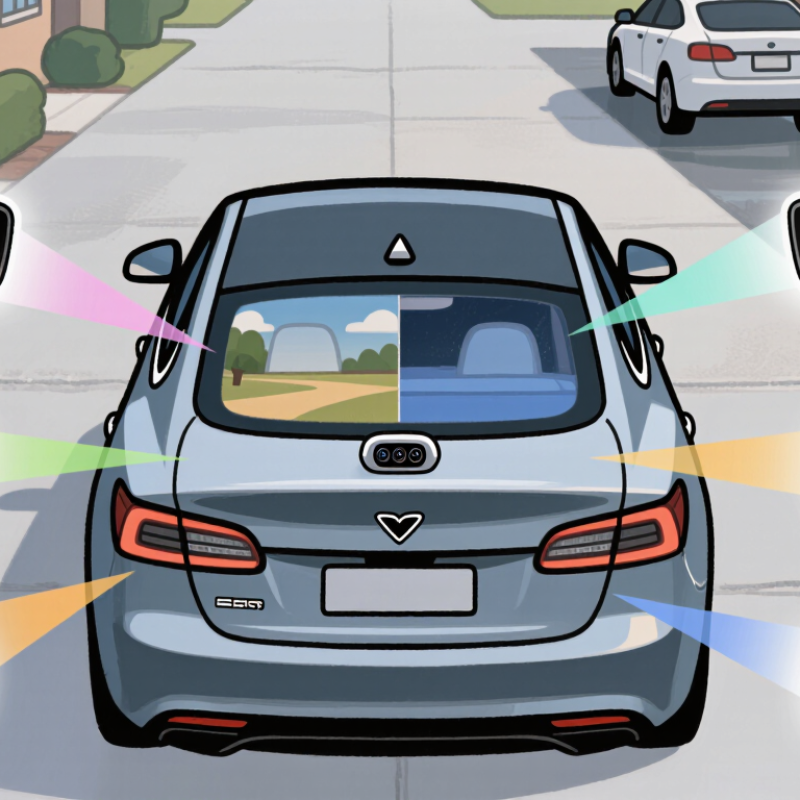
A rear-view camera is a small imaging system: a lens gathers the scene, an image sensor converts light into a signal, and a display shows what is behind the vehicle. CMOS sensors are common, but sensor type alone does not guarantee a clear picture. Check detail in dim garages, glare on bright afternoons, and whether the screen is easy to see from the driver’s seat. Night matters. A wide view helps, but can make distant objects look smaller than they are.
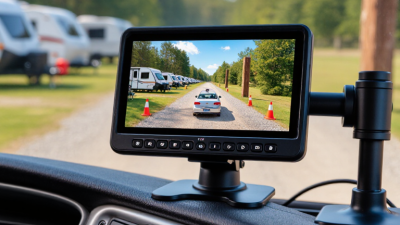
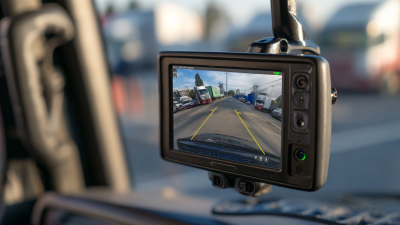
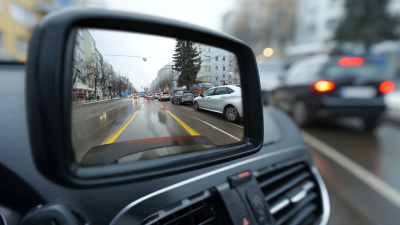
Display placement changes daily use. A dashboard screen is easy to glance at, while a mirror-style display keeps the view near the usual sightline. In its 2014 analysis of insurance claims, the Insurance Institute for Highway Safety reported backing-crash rates were 16% lower with cameras, 23% lower with parking sensors, and 42% lower with both. These results describe crash rates, not a guarantee for every vehicle or installation.
Wired systems carry video through a physical cable, which can provide a steady connection but often takes more installation work. Wireless systems reduce cable routing, though signal delays or interference may occur in some settings. Compare the camera and monitor together, and verify connector compatibility before purchase, especially when importing equipment. A detail I would double-check: advertised viewing angles and image quality can be measured differently, so product claims do not always make direct comparisons easy.
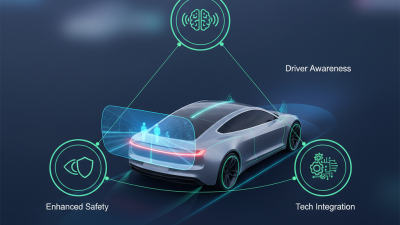
For global buyers, camera selection starts with compliance, not screen size. U.S. FMVSS No. 111 sets rear-visibility requirements for covered vehicle types, including image coverage and response time. It does not mean every aftermarket camera has approval on its own. Ask for evidence relevant to the vehicle and confirm that the camera, mounting position, and display work as a system. Small details matter. A bright showroom image may lose useful contrast in rain or at dusk.
UN Regulation No. 158 covers reversing devices and vehicle approval related to a driver’s awareness of what is behind the vehicle. Its application depends on the market, vehicle category, and approval route. Check destination-market documentation rather than assuming one certificate works everywhere. Compare field of view, image delay, low-light performance, and screen compatibility. A wide lens can distort distance cues; more coverage is not always clearer. Installation angle matters, too. Request test reports or approval markings, and have a qualified local installer verify the setup. Paperwork helps, but it cannot correct a poorly aimed camera.
When comparing seven rear-view camera options, match resolution to the display you will actually use. A 720p image can show nearby obstacles clearly, while 1080p may reveal finer details on a compatible screen. Higher resolution is not automatically better if the monitor cannot display it. Check the viewing angle, too. A wider lens captures more of the vehicle’s sides, but may make distant objects appear smaller or distorted. Night vision matters in dim parking areas; compare low-light performance and look for clear sample footage, not just a feature label.
Tips: Confirm the camera’s voltage range against your vehicle’s electrical system. Some vehicles use 12-volt power, while others require 24-volt compatibility. Do not assume an adapter solves every mismatch. Check the manual or ask a qualified installer.
For global buyers, verify the exact camera and monitor specifications before ordering, since product bundles can vary by market. Also consider cable length and connector type, especially for longer vehicles. A camera may claim a broad viewing angle but still leave a blind spot close to the bumper. It is easy to focus too much on resolution; in practice, a stable image and useful night visibility may matter more. Test the view from the driver’s seat, if possible, before settling on a setup.
A rear-view camera mounted outside a vehicle faces rain, road spray, dust, and occasional puddle splash. An IP67 rating offers a useful baseline: under specified test conditions, the enclosure is dust-tight and can withstand immersion in up to 1 metre of water for 30 minutes. That matters.
The rating is not a promise of unlimited waterproofing. It does not mean a camera can stay submerged, handle a pressure washer, or tolerate every temperature change. Testing applies to a properly assembled unit, while installation can introduce weak points. A poorly seated gasket or exposed cable connection may let moisture in, even when the camera body carries an IP67 rating.
Before choosing a camera, check whether the rating covers the complete assembly or only its housing. Look closely at connector seals and cable entry points. After installation, inspect the mount for gaps, then check for condensation after heavy rain or a car wash. A clear lens is reassuring, but not definitive. I would not treat a single rating as a substitute for careful fitting and periodic checks; real-world wear can be less tidy than laboratory testing.
A compact wireless camera suits small cars where a long cable run would be awkward. Check the screen’s viewing angle and night image quality before buying. For pickups, a weather-resistant camera with a broad view can help reveal low obstacles near the tailgate. Confirm that its mount fits the vehicle’s shape.
For trailers, choose a system designed to maintain a stable signal across the added distance. A wired camera may suit larger vehicles when dependable power and connection matter more than quick installation. For drivers who park in dim areas, prioritize low-light clarity and a screen that remains readable without distracting glare. Details matter.
A multi-camera setup can help people who tow often or need views along the vehicle’s sides. It may also require more installation time. A simple monitor-and-camera kit is often easier for first-time installers, but cable routing still takes patience. Test the image before securing the wiring. Check compatibility with your vehicle’s power supply, mounting points, and display location. If a connection behaves inconsistently, consult a qualified installer rather than guessing. One missed detail can mean repeating the job.
Suggested camera-view counts reflect practical coverage needs, from a single rear view for most passenger vehicles to additional views for larger vehicles and trailer combinations. These are planning recommendations, not measured market data or product specifications.