What is a Wireless Rearview Camera and How Does it Work?
The advent of the Wireless Rearview Camera has revolutionized vehicle safety and convenience. As a crucial addition to modern automobiles, this technology enhances rear visibility. It minimizes blind spots, allowing drivers to maneuver more confidently. According to a report from the National Highway Traffic Safety Administration, backup cameras can reduce accidents by 46%. These statistics highlight the importance of innovation in automotive safety.
Industry expert Dr. Sarah Thompson states, "Wireless Rearview Cameras are essential for safer driving, especially in urban environments." This sentiment reflects a growing recognition of the vital role these systems play. Despite benefits, some consumers hesitate due to concerns about installation and reliability. Not all wireless systems are created equal, leading to confusion.
In an era where safety is paramount, the Wireless Rearview Camera stands out. It combines technology with practical driving needs. Improved designs are constantly emerging, yet challenges remain, particularly regarding data transmission and battery life. Addressing these issues is crucial for advancing this promising technology.

Overview of Wireless Rearview Cameras
Wireless rearview cameras are becoming more popular in modern vehicles. These devices enhance safety while reversing, making it easier to spot obstacles. Unlike traditional cameras that require complex wiring, wireless versions transmit video signals via radio frequencies. This setup minimizes installation hassles and gives more flexibility in camera placement.
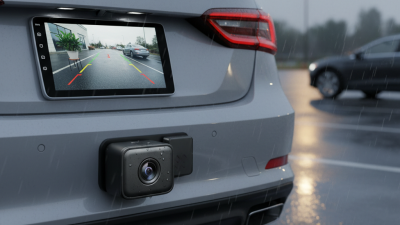
The camera is usually mounted on the rear of the vehicle. It captures real-time video and sends it to a display inside the car. The images can help drivers avoid accidents in crowded parking lots. However, the signal can sometimes be interrupted by obstacles or interference. This can affect reliability, causing moments of uncertainty.
Drivers should also consider the camera's field of view. Some models offer limited angles, which can leave blind spots. It's vital to evaluate the product's specifications carefully. While wireless rearview cameras provide convenience, ensuring proper functionality is essential for safe driving.
Wireless Rearview Cameras Overview
This bar chart illustrates the features and ratings of wireless rearview cameras, covering areas such as camera resolution, night vision capability, wide-angle viewing, wireless range, and price range. The rating scale is from 1 to 10, providing a visual comparison of these key aspects.
Technology Behind Wireless Rearview Cameras
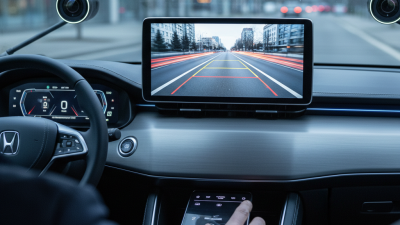
Wireless rearview cameras are innovative devices that enhance vehicle safety. They enable drivers to see what’s behind them without relying solely on mirrors. The technology involves a camera mounted at the rear of the vehicle and a transmitter sending video signals to a receiver inside. This system operates on radio frequencies, allowing real-time viewing on the dashboard display.
These cameras often use various technologies, such as digital wireless or analog systems. Digital cameras provide clearer images and can minimize interference. They typically feature night vision capabilities, ensuring visibility even in low-light conditions. The setup generally requires minimal drilling, making installation easier for users. Yet, it’s crucial to ensure that the camera is mounted securely, as vibrations can impact image quality.
Tip: Regularly clean the camera lens. Dirt and debris can obscure visibility.
Installing a wireless rearview camera may not always be straightforward. Factors like vehicle design and wiring can complicate the process. Ensure compatibility with your vehicle before making a choice.
Tip: Research various models to find one that fits your needs.
Testing the system after installation is essential. Ensure that the camera provides a clear, unobstructed view. Adjust angles carefully for optimal safety.
Installation Process for Wireless Rearview Cameras
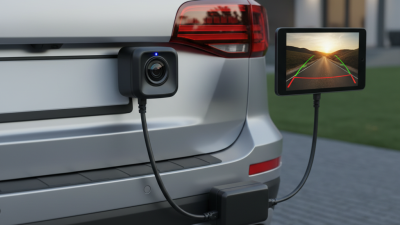
Installing a wireless rearview camera can enhance safety and convenience. The process involves several key steps that are relatively straightforward. Begin by selecting an appropriate location for the camera. This is often near the vehicle’s license plate. Ensuring the camera has a clear view is critical for optimal performance.
Next, connect the camera to the vehicle’s power supply. Many models use the reverse light for power, simplifying the process. This connection activates the camera when the vehicle is in reverse, allowing for immediate visibility. According to a report by the National Highway Traffic Safety Administration, backup cameras reduce the risk of accidents by up to 30%. This statistic underscores the importance of proper installation and positioning.
Some users may face challenges during installation. Lack of experience can lead to improper wiring or unsuitable placement. It’s essential to double-check connections and test the camera before finalizing the installation. Industry studies suggest that professional installation can mitigate risks associated with faulty setups. This highlights the balance between DIY efforts and professional help. Proper installation ensures the camera functions correctly and provides the safety benefits it was designed for.
What is a Wireless Rearview Camera and How Does it Work? - Installation Process for Wireless Rearview Cameras
| Feature |
Description |
Installation Complexity |
Average Cost |
| Wireless Connectivity |
Transmits video feed from camera to display unit without wires. |
Moderate |
$50 - $150 |
| Camera Quality |
Varies from standard definition to high definition. |
Variable |
$30 - $200 |
| Power Source |
Typically powered by the vehicle’s reverse lights or a dedicated battery. |
Easy |
$20 - $50 |
| Monitor Size |
Sizes typically range from 5 inches to 10 inches. |
Easy - Moderate |
$25 - $100 |
| Additional Features |
Night vision, parking guidelines, and remote viewing through smartphone apps. |
Variable |
$40 - $200 |
Benefits of Using Wireless Rearview Cameras
Wireless rearview cameras offer several advantages for modern vehicle safety. These cameras enhance visibility, eliminating blind spots when reversing. With a simple installation process, they do not require complicated wiring or drilling. Wireless systems transmit video feeds directly to a screen inside the vehicle. This means easier and faster installation compared to traditional wired cameras.
In addition to convenience, wireless rearview cameras improve safety for drivers and pedestrians alike. They provide a clear view of obstacles and children behind the vehicle. This can help prevent accidents in crowded areas. The image clarity has improved significantly over recent years, allowing for better judgment while reversing. However, wireless transmissions can sometimes be interrupted by interference. Such situations remind us to use caution and rely on mirrors as well.
Moreover, the aesthetic appeal of a wireless camera system is noteworthy. Many drivers appreciate the clean look that avoids visible wires. This sleek appearance can enhance a vehicle's overall style. Yet, the absence of wires means the system can also be less reliable. Users should remain vigilant about battery life and connectivity issues. Overall, while wireless rearview cameras present clear benefits, they come with some limitations that require attention.
Challenges and Limitations of Wireless Rearview Cameras
Wireless rearview cameras offer convenience, but they also come with challenges. One major issue is signal interference. Wireless cameras transmit data over radio frequencies, which can be disrupted by other electronic devices. This may result in blurred images or a complete loss of video feed. Environmental factors, such as trees and buildings, can also weaken the signal.
Another limitation is power supply. Many wireless cameras rely on batteries, which can drain quickly with frequent use. This necessitates regular charging or replacement. Additionally, some models may struggle with night visibility. The lack of proper lighting can affect image clarity, making it difficult to see obstacles clearly.
Installation can also be a hassle. Depending on the vehicle and camera type, proper placement is crucial for optimal performance. Professional installation might be required, adding to overall expenses. Users may overlook the importance of camera angle and height, which affects image quality. These challenges highlight the need for careful consideration when opting for wireless rearview cameras.