What Is a Wireless Parking Camera and How Does It Work?
A Wireless Parking Camera gives drivers a clearer view behind or beside a vehicle. It uses a camera, transmitter, receiver, and display to send video without a long cable between them. When reverse gear is selected, many systems activate automatically. Others use a dashboard button or a dedicated monitor.
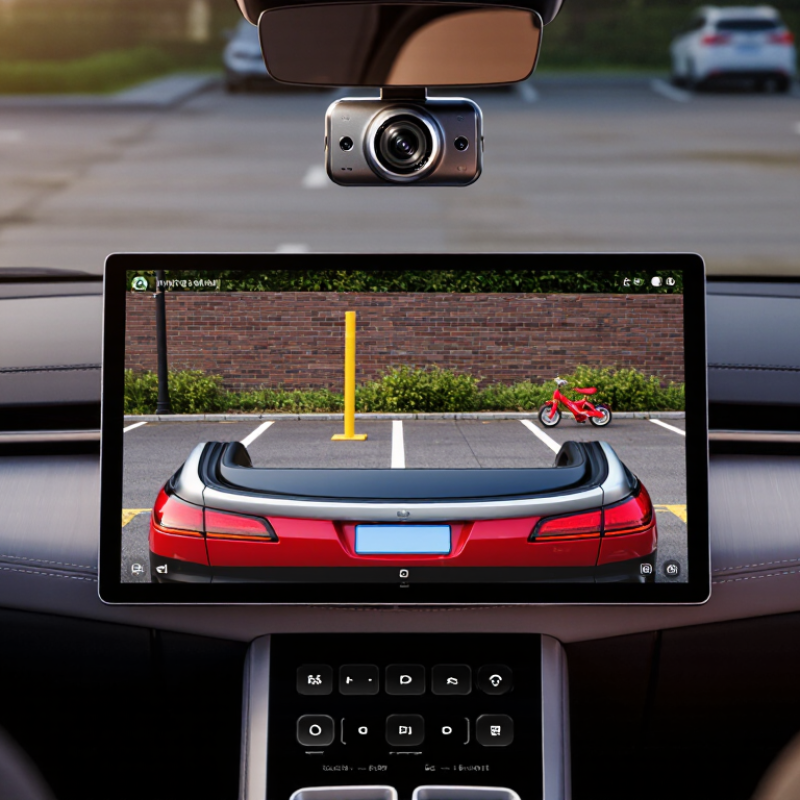
The camera captures the area near the bumper. Its transmitter sends the image through radio signals or Wi-Fi. The receiver then displays that image on a screen inside the vehicle. In practical use, this can help reveal a low wall, narrow post, or child-sized obstacle hidden below the rear window. However, wireless does not mean effortless. Signal interference, weak batteries, rain, and poor mounting can affect performance. A clear image is not guaranteed.
Reliable installation starts with a firm camera position and a clean lens. The viewing angle should show the bumper edge without pointing too far toward the sky or pavement. Drivers should also test the system at night and in busy parking areas. Small delays can matter during tight maneuvers. A Wireless Parking Camera supports awareness, but it cannot replace mirrors, direct observation, or careful speed control. This distinction is easy to overlook. Some product claims also sound stronger than real-world results, so buyers should examine resolution, transmission range, power needs, weather resistance, and warranty support. Practical testing remains more convincing than polished advertising.
What Is a Wireless Parking Camera?
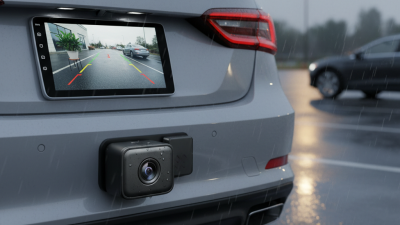
A wireless parking camera is a vehicle-mounted camera that sends rear-view images without a video cable running through the cabin. It usually includes a camera, wireless transmitter, receiver, and display. The camera is commonly installed near the license plate or rear hatch. It captures a wide view behind the vehicle. The transmitter converts that video into a wireless signal. The receiver then displays the image on a dashboard screen.
Power still matters. The camera normally connects to the vehicle’s reverse-light circuit or another suitable power source. When reverse gear is selected, the camera activates and sends live footage. In practice, the word wireless can mislead. It does not always mean cable-free. Installation may still require careful wiring, grounding, and weatherproof connections. A loose connection can create flickering images or delayed activation.
Wireless performance depends on distance, signal barriers, and electrical interference. Metal body panels may weaken the signal, especially in larger vehicles. A clear image should show parking lines, nearby objects, and changing light conditions. Night testing is essential. I have found that a camera can look sharp indoors but perform poorly beside a dark wall. Lens angle also needs checking, because a very wide view may distort distance. Reliable systems should provide stable transmission, durable sealing, and clear instructions. Users should still check mirrors and surrounding areas, since no camera shows every blind spot.
What Is a Wireless Parking Camera and How Does It Work?
A wireless parking camera captures video near the vehicle and sends it to a display through a radio link instead of a dedicated video cable. The camera typically compresses the video, transmits it through a 2.4 GHz or 5 GHz wireless connection, and the receiver decodes the signal for the driver.
The chart compares the approximate wavelength of commonly used wireless frequency bands. Wavelength is calculated using the speed of light divided by frequency. Lower-frequency signals generally travel farther and can pass through obstacles more effectively, while higher-frequency signals can support higher data rates but may be more sensitive to blockage.
Key Components of a Wireless Parking Camera
What Is a Wireless Parking Camera and How Does It Work?
Key Components of a Wireless Parking Camera
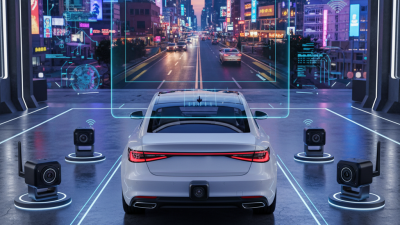
A wireless parking camera uses a small image sensor, transmitter, receiver, and display. The camera sits near the rear license area or bumper. Its lens captures the space behind the vehicle. A transmitter sends the video signal without a long video cable. The receiver then delivers that signal to a dashboard screen or mirror display.
Power still requires wiring. Usually, the camera connects to the reverse-light circuit or a dedicated battery line. This detail is often misunderstood. Wireless describes the video connection, not the entire installation. A stable power supply prevents flickering images during reversing. The housing should also resist rain, dust, vibration, and temperature changes. An IP-rated enclosure helps, but sealing can weaken after repeated servicing.
Signal quality depends on distance, metal surfaces, and nearby electronic interference. Some systems add digital image processing, wide-angle lenses, night vision, and parking guidelines. These features improve awareness, but they can also create false confidence. A distorted lens may make a nearby object appear farther away. It is not magic.
The Insurance Institute for Highway Safety reported that rearview cameras reduced backing crashes by about 16 percent in its research. The U.S. National Highway Traffic Safety Administration previously estimated about 210 annual deaths and 15,000 injuries from backover crashes. These figures explain the camera’s value, but installation accuracy remains critical. A poorly angled camera can be worse than no camera. Calibration deserves more attention.
How Wireless Parking Cameras Transmit Video
A wireless parking camera sends live video without a dedicated video cable between the camera and dashboard display. It still needs power, usually from the vehicle’s reverse-light circuit or a separate fuse. Inside the camera, an image sensor captures the scene behind the vehicle. A processor then compresses each frame, commonly with H.264 or H.265, before transmission.
The encoded video travels through a short-range radio link, often using the 2.4 GHz or 5 GHz bands. A receiver near the display decodes the stream and shows it within a fraction of a second. The 2020 Cisco Annual Internet Report projected that video would account for 82% of consumer internet traffic by 2022. That pressure explains why efficient compression matters, even in a small parking system. Lower compression can improve detail, but it also requires more bandwidth.
Interference remains the practical weakness. Metal body panels, nearby wireless devices, and poor antenna placement can create frozen images or delay. A professional installer should test the camera with the engine running, not only inside a workshop. Wi-Fi Alliance technical material lists up to 9.6 Gbps for Wi-Fi 6, but that is a theoretical aggregate rate, not a guaranteed camera speed. Real parking links use far less. They need stability, not impressive numbers. Encryption also matters, although some low-cost systems handle it poorly. That deserves closer inspection.
How a Wireless Parking Camera Helps Drivers Park
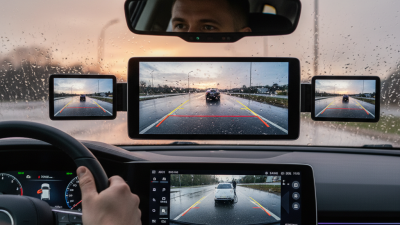
A wireless parking camera sends a live view from the vehicle’s rear to a nearby display. The camera usually uses a small transmitter, while the display receives the image without a video cable crossing the cabin. However, many systems still need wired power from the reverse-light circuit or a separate fuse. When reverse gear is selected, the screen can show the area behind the vehicle within seconds. Some models add parking lines, night vision, or distance warnings.
This view helps drivers judge space more accurately. A low wall, narrow post, or child’s bicycle can appear clearly before the vehicle moves close. In a typical parking maneuver, the driver checks the screen, turns the wheel slowly, and compares the camera image with both side mirrors. The guide lines can suggest the vehicle’s path, but they are not perfectly accurate on every surface. Sloped ground may make them misleading.
It is not perfect.
Wireless signals can suffer interference in crowded parking areas. Rain, mud, or road dust can also blur the lens. I have found that a quick lens wipe often improves the picture more than changing the display settings. Drivers should still look around, check mirrors, and move at walking speed. A camera reduces uncertainty, but it cannot show every angle or replace careful judgment. Freshly painted parking lines may look obvious on screen, while faded lines require slower, repeated checks.
Power, Installation, and Signal Considerations
A wireless parking camera sends video from a rear-mounted camera to a dashboard display without a video cable. However, wireless does not mean power-free. The camera usually needs 12-volt power from the reverse lamp or a fused accessory circuit. Reverse-lamp voltage can fluctuate, especially with pulse-width control. A small relay or voltage regulator may improve stability. The ground connection also matters. A loose ground can create flickering images or random restarts.
Installation should begin with the vehicle’s wiring diagram, not guesswork. Route power away from hot exhaust parts and moving suspension components. Seal the camera entry point with automotive-grade rubber or sealant. NHTSA’s FMVSS No. 111 rule defines a rear visibility zone extending 10 feet behind the vehicle and 20 feet wide. Its rulemaking analysis estimated 58 to 69 lives could be saved annually through better rear visibility. The camera should cover that area without pointing mainly at the bumper.
Signal quality depends on distance, metal panels, antenna position, and radio interference. Many systems use the crowded 2.4 GHz band, where nearby wireless devices can add delay or brief dropouts. IIHS research found rear cameras reduced backing crash rates by about 16 percent, while camera-and-sensor systems achieved larger reductions. That number is encouraging, but it is not a guarantee. In my experience, a clean installation can still fail inside a metal-heavy vehicle. Test the image in daylight, darkness, and rain. Do not trust a single signal check.