Choosing the best Hidden Backup Camera in 2026 depends on the vehicle, installation space, and the driver’s daily routine. A discreet camera may sit near the license plate or behind a vehicle badge, keeping the exterior uncluttered. Yet a small housing does not guarantee a clear view. Lens angle, night performance, screen quality, and response time matter more when reversing between parked cars or backing toward a dim garage wall.
This guide compares the features that make a hidden system useful, including image clarity, weather resistance, power options, and compatibility with existing displays. It also considers installation difficulty and whether a camera’s placement leaves a practical view of nearby obstacles. Look for manufacturer specifications and dependable, recent owner feedback; product claims alone cannot show how an image performs in rain or low light. Check vehicle and camera guidance before fitting any equipment, and confirm the mounting position does not interfere with other safety features. No camera is perfect. A wide view can distort distance, while a compact design may limit placement choices. That trade-off matters. The recommendations will explain which drivers may benefit from each type, rather than treating one model as right for every vehicle. Some details still depend on the car itself. That is worth admitting.

In 2026, a hidden backup camera is defined by how neatly it fits into a vehicle, not simply by its size. Its lens may sit within a license-plate frame, trim piece, or factory-style housing, with no bulky bracket drawing attention. The goal is a clear rear view without changing the vehicle’s appearance more than necessary. Not invisible.
Good concealment should not come at the cost of useful footage. Check the camera’s viewing angle, performance in dim garages, and resistance to rain and road spray. A wide view can help reveal a child’s bicycle near the bumper, but excessive distortion may make distances harder to judge. The monitor or display also matters: a sharp image is less helpful if it appears slowly when reverse is selected. Small details count.
Fit and installation deserve equal attention. A poorly placed lens can be hidden yet point at the ground, while loose wiring may create faults over time. Confirm compatibility with the vehicle and have the image checked after installation. I would not assume every discreet design is safer; lighting, calibration, and everyday usability vary. The best hidden camera is the one drivers can see clearly and trust during an ordinary, rainy parking maneuver.
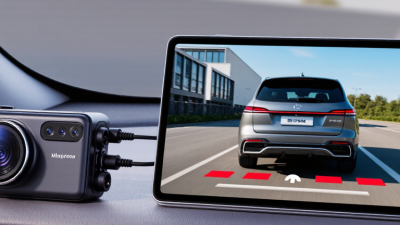
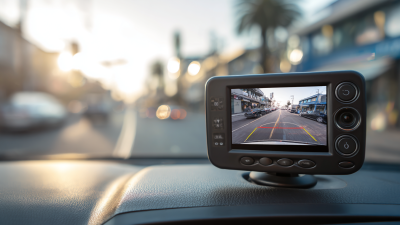
A hidden backup camera sits discreetly near the rear license plate, tailgate handle, or bumper. It is subtle, not invisible. A small lens captures the area behind the vehicle and sends the image to a dashboard display or a screen integrated into the rearview mirror. When reverse gear is selected, a trigger signal usually switches the display to the camera feed.
Inside the camera, an image sensor converts incoming light into a video signal. A wide-angle lens helps show nearby obstacles, such as a low bollard or a child’s bicycle, but it can make objects appear farther away than they are. Many systems add parking guidelines. Some guidelines move with the steering wheel; others stay fixed. That difference matters in a tight driveway. The picture may also look grainy in a dim garage, especially if the lens is dirty.
A well-designed concealed camera needs a clear view, secure wiring, and weather-resistant housing. Placement is a trade-off: mounting it too high can hide the bumper edge, while mounting it too low may expose the lens to road spray. One detail is easy to overlook. The displayed image is helpful, but it cannot show every obstacle or replace checking mirrors and surroundings. I would treat the screen as another viewpoint, not a perfect map.
For a discreet backup camera, the main choices are license-plate mounts, flush-mounted units, and cameras integrated into a tailgate handle. Plate mounts are usually simpler to fit, but can sit low and collect road grime. Flush mounts look cleaner, though drilling the bodywork demands careful measuring and sealing. Handle-integrated designs preserve a factory-like appearance, but may require replacing or modifying the handle. Small details matter.
NHTSA’s Federal Motor Vehicle Safety Standard No. 111 sets a useful performance benchmark: a rearview image must show a defined area extending 10 feet wide and 20 feet behind the vehicle, and appear within two seconds of shifting into reverse. For installation, a wired camera usually offers a steady signal but requires routing cable through the vehicle. Wireless systems reduce that work, yet nearby interference can cause delays or dropouts. A mirror-mounted display keeps the dashboard uncluttered; a dashboard screen may be easier to glance at, depending on seating position. Check the camera angle on level ground, then test it at dusk and in rain. A hidden lens can still be poorly aimed. I would not trust appearance alone.
Features That Matter for Safety and Image Quality
A hidden backup camera should stay discreet without sacrificing a clear view behind the vehicle. Look for a sharp image, reliable low-light performance, and a screen that remains readable in daylight. In real parking situations, details matter: a child’s bicycle near the curb, a narrow post, or a dark driveway. That matters.
Image quality depends on more than resolution. A well-adjusted lens and useful dynamic range can make shadows and bright headlights easier to interpret. A very wide viewing angle may show more of the scene, but it can make distant objects look smaller. I’m not convinced the widest lens is always the safest choice. Check whether the display shows distance guides, and make sure they can be aligned during installation.
Low delay is essential: the picture should respond as the vehicle moves, not feel a beat behind. A weather-resistant camera and secure wiring can help it perform through rain and temperature changes. Hidden placement should not block the lens or leave it aimed at the bumper. Installation can be fiddly, and a small angle error may hide a low obstacle. A clear image still needs careful mirrors, slow movement, and attention to the surroundings.
Choosing the best hidden backup camera starts with the vehicle, not the feature list. Check where a camera can sit without blocking the license plate, lights, or rear hatch. A discreet mount near the plate may look tidy, but its view can be limited by a bumper or spare tire. Small details matter.
Compare the camera’s viewing angle, image clarity, and low-light performance. A very wide view can show more, yet may make nearby objects look farther away. Check whether the display works with your existing screen or requires a separate monitor. Wired systems often need more installation work; wireless systems can be easier to fit, but signal delay may vary. Test it at dusk, if possible.
Look for a weather-resistant housing and clear installation instructions. Water, road salt, and vibration can expose weak fittings over time. Before buying, measure the mounting space and check local vehicle requirements. A camera may be discreet but still poorly positioned. It is worth reviewing the image from the driver’s seat, not just judging the camera from outside. One easy mistake is choosing the smallest unit and overlooking whether its lens can be cleaned comfortably.
The best discreet backup camera depends on your vehicle’s rear design, installation preferences, and display setup. Compare common camera styles below; exact fit, features, and weather protection vary by camera and vehicle.
| Camera style | How it is concealed | Best suited for | Installation considerations | Advantages | Things to check |
|---|---|---|---|---|---|
| License-plate light replacement | Fits in or replaces a license-plate light housing, keeping the camera close to the plate. | Vehicles with a compatible plate-light housing and a rear view centered near the plate. | Check the housing shape, mounting points, connector, and whether the original plate light function is retained. | Usually avoids drilling a separate camera hole and can look integrated when correctly matched. | Vehicle-specific fitment is common. Confirm that the camera does not block the plate or its illumination. |
| Flush-mount camera | Sits nearly level with the body panel or trim after being fitted through an opening. | Drivers seeking a low-profile installation and willing to modify a suitable panel or trim piece. | Requires an appropriately sized mounting location; installation may involve drilling and careful sealing. | Low visual profile and flexible placement can provide a clear view of the area behind the vehicle. | Check mounting depth, viewing angle, weather sealing, and whether the chosen location gives an unobstructed view. |
| Tailgate-handle replacement or integrated camera | Built into a replacement tailgate handle or a compatible handle assembly. | Pickup trucks and other vehicles with a compatible removable rear handle. | Confirm handle shape, latch compatibility, wiring route, and access to the vehicle’s reverse-light circuit or camera interface. | Can appear factory-integrated and places the camera in a practical rear viewing position. | Compatibility varies by vehicle and trim. Make sure the replacement handle preserves normal latch operation. |
| Rear emblem or trim-integrated camera | Positioned behind or within a compatible emblem, garnish, or rear trim component. | Vehicles whose rear emblem or trim can accommodate a camera without obstructing its view. | May require a vehicle-specific assembly, trim removal, and a suitable path for the camera cable. | Can be visually discreet and keeps the camera integrated with the rear design. | Verify that the emblem or trim design allows a clear lens view and that replacement parts match the vehicle. |
| License-plate-frame camera | Camera is incorporated into a plate frame; it is less concealed than an in-panel or integrated camera. | Drivers who want a relatively simple mounting location without modifying body panels. | Check plate dimensions, frame fit, cable routing, and clearance around the plate. | Typically offers straightforward access for mounting and adjustment. | May be more visible and can shift the camera’s position. Keep the full plate and required markings unobstructed. |
Before choosing: Confirm vehicle fitment, camera-to-display compatibility, cable or wireless requirements, night-view performance, and the stated water- and dust-resistance rating. Wireless video still needs power at the camera. Install the camera so it does not obstruct the license plate, plate lighting, rear lights, or the driver’s view.