Why Choose a Digital Backup Camera for Your Vehicle?
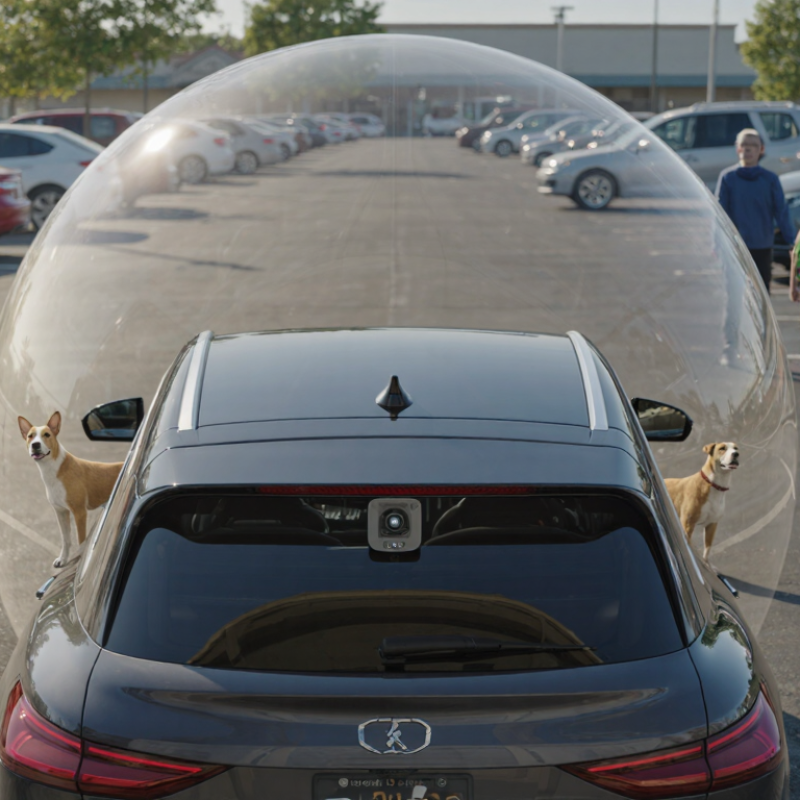
A Digital Backup Camera can turn a narrow rear view into a clearer safety zone. It shows the space behind your vehicle, including low objects, bicycles, pets, and pedestrians. That view matters most when reversing from a crowded driveway or a supermarket parking space.
The National Highway Traffic Safety Administration estimates that backover crashes cause about 210 deaths and 15,000 injuries annually in the United States. These figures come from earlier regulatory research, so they should not be treated as a perfect current measurement. Still, they reveal a persistent visibility problem. NHTSA’s Federal Motor Vehicle Safety Standard No. 111 has required rear visibility technology on most new vehicles since May 2018. The rule reflects a practical concern: mirrors alone cannot show every area directly behind a vehicle.
The Insurance Institute for Highway Safety also identifies rear cameras and parking sensors as useful tools for reducing blind zones. A Digital Backup Camera can provide guiding lines, a wider viewing angle, and better visibility in dim conditions. Some systems connect with dashboard displays, while others support wireless installation in older vehicles. Practical details matter. A clear screen, weather-resistant housing, and a stable image are more valuable than flashy features.
Technology is not a substitute for careful driving. It can distort distance, collect dirt, or miss movement outside its viewing angle. That limitation deserves attention. Choosing the right camera means considering screen brightness, night performance, installation quality, and vehicle compatibility. This article examines why a Digital Backup Camera may be a sensible upgrade for safer, more confident reversing.
What Is a Digital Backup Camera?
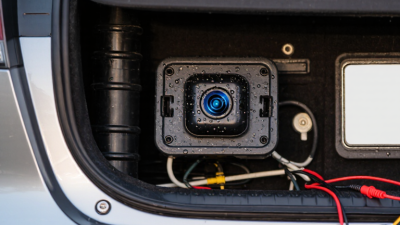
A digital backup camera is a vehicle-mounted imaging system that shows the area behind your car on an interior display. Unlike older mirror-based systems, it converts visual information into digital signals. The screen may appear near the dashboard or replace the rearview mirror. A clear image can reveal a low post, narrow bicycle, or child-sized obstacle hidden below the window line. Small details matter.
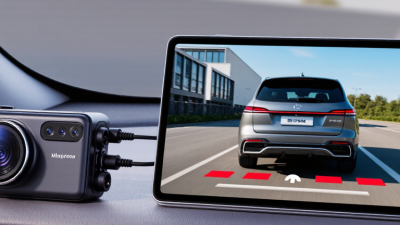
In practical use, the camera activates when reverse gear is selected. Some systems also provide parking guidelines, distance alerts, or a wider viewing angle. Image quality depends on the sensor, screen resolution, lens position, and software processing. Digital transmission can reduce interference and preserve a sharper picture over longer cable runs. However, “digital” does not always mean perfect. Heavy rain, road dust, darkness, or bright sunlight can reduce visibility. I have found that a clean lens often improves the image more than an expensive setting.
Proper installation requires careful alignment and secure wiring. The camera should point toward the ground without losing the distant view. Calibration is important because incorrect guidelines may suggest unsafe distances. Drivers should still check mirrors and surrounding areas directly. A screen can miss fast-moving objects outside its viewing angle. Even experienced drivers may trust the display too quickly. That habit deserves regular reflection, especially in crowded parking areas.
Key Benefits for Vehicle Safety and Convenience
A digital backup camera gives drivers a clearer view of the space behind the vehicle. That matters when reversing near children, bicycles, low walls, or crowded parking spaces. In daily driving, a clean image can reveal details hidden below the rear window. Many systems display the view on a dashboard screen within a second. That short delay feels small, but it can change a hurried maneuver. Stay alert.
Safety improves when the camera works with mirrors, direct observation, and slow vehicle control. It should not replace shoulder checks, because screens may miss side areas or moving objects. Good installation keeps the lens stable and the wiring protected from moisture. At night, low-light performance may help, yet glare can still reduce visibility. A practical test includes reversing in daylight, rain, and a dim garage. Check the image for distortion, delay, and dirty-lens problems. I would not trust impressive specifications without testing real viewing conditions.
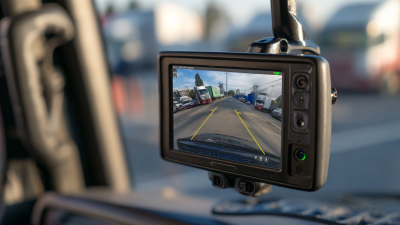
Convenience also matters during ordinary trips. Parking lines, trailer connections, and narrow driveways become easier to judge. Guide lines on the screen can support distance estimates, especially for newer drivers. However, these lines may be poorly calibrated after installation or vehicle changes. Recheck them occasionally. A dependable camera should offer a stable image, weather resistance, and simple controls. Professional fitting can reduce blind spots caused by loose positioning or incorrect alignment. The best choice is not always the most feature-heavy option.
Features to Consider When Choosing a Backup Camera
Why Choose a Digital Backup Camera for Your Vehicle?
A digital backup camera can make reversing safer and less stressful. It displays a clearer view behind the vehicle than many older mirror-based systems. In daily driving, image clarity matters most near dark bumpers, narrow posts, and children’s bicycles. I have noticed that a sharp image can still become useless when the lens collects road dust. Regular cleaning remains necessary. No camera is perfect.
When choosing a backup camera, check resolution, viewing angle, and low-light performance. A wide angle helps reveal nearby obstacles, but excessive width may distort distance. Night vision should show useful details without producing a cloudy, grainy picture. Look for a suitable water-resistance rating, especially if the vehicle often faces rain, snow, or muddy roads. Low transmission delay also matters. Even a brief lag can make steering corrections feel late. Parking guidelines should be adjustable, because fixed lines may not match every vehicle’s shape.
Consider installation quality as carefully as camera specifications. A secure mount should remain stable on rough roads and during temperature changes. The display needs enough brightness for direct sunlight, while avoiding distracting reflections. Check whether the system supports the vehicle’s power supply and existing screen. Wireless designs can simplify installation, but signal interference deserves attention. Wired connections may require more work, yet they often provide steadier performance. I would also test the camera at night before final mounting. That step is easy to skip, and regrettable later.
Why Choose a Digital Backup Camera for Your Vehicle?
Features to Consider When Choosing a Backup Camera
Wide Viewing Angle
A viewing angle between 150° and 180° can help reduce blind zones behind the vehicle.
Low-Light Performance
Infrared or enhanced low-light sensors improve visibility when reversing at night or in shaded areas.
Weather Resistance
Look for sealed construction and an IP67 or higher rating for protection against dust and water.
The chart shows representative horizontal viewing-angle benchmarks commonly used when comparing backup-camera specifications.
Installation, Maintenance, and Usage Guidelines
Why Choose a Digital Backup Camera for Your Vehicle?
Installation, Maintenance, and Usage Guidelines
A digital backup camera can reduce rear blind spots during low-speed reversing. NHTSA’s backover-crash analysis estimated about 210 fatalities and 15,000 injuries annually in the United States. That figure explains the value of better rear visibility. NHTSA’s FMVSS No. 111 also requires a defined viewing area behind many new vehicles. Still, a camera is not a substitute for mirrors or direct observation.
Installation demands careful routing and testing. Connect the reverse trigger correctly, secure the power ground, and keep cables away from hot exhaust parts. The screen should sit near the driver’s normal sightline. Test the image in daylight, darkness, rain, and tight spaces. Check for delay before relying on it. A small oversight can create false confidence.
Keep the lens clean with a soft, damp cloth. Avoid abrasive cleaners that can damage the protective surface. Inspect cable seals after washing the vehicle or driving through heavy rain. The Insurance Institute for Highway Safety has noted that rear cameras improve visibility but cannot remove every collision risk. Therefore, scan mirrors, turn your body, and check the surrounding area before moving. Children, pets, and low objects may remain outside the camera’s view. The screen can look clear while the lens is slightly misaligned. That is worth questioning.