Leave Your Message

China Top 10 Multi Camera Car System Suppliers?

China’s automotive electronics sector has become a practical testing ground for advanced vehicle vision. Multi Camera Car System suppliers now serve passenger cars, commercial vehicles, fleet operators, and aftermarket installers. Their products may include front, rear, side, cabin, and surround-view cameras. The real difference appears on the road.

Amnon Shashua, Mobileye co-founder and CEO, has described the modern vehicle as “a computer on wheels.” His observation helps explain why camera selection alone is not enough. Reliable performance depends on image sensors, lens calibration, processing hardware, storage, software integration, and installation quality. A clear 360-degree view can still fail when rain covers a lens or wiring creates signal loss.

This guide examines ten notable Chinese suppliers through an E-E-A-T-focused lens. It considers manufacturing experience, technical capability, product documentation, testing evidence, and customer support. We also look at night vision, high-dynamic-range imaging, blind-spot coverage, parking recording, and compatibility with different vehicle architectures. Physical details matter: a camera mounted behind a dark grille may lose clarity, while a poorly sealed connector can corrode after repeated washing.

The ranking is not absolute. Supplier strengths change quickly.

Some companies excel in OEM integration. Others serve aftermarket demand.

That distinction deserves attention.

Pricing, certifications, firmware updates, and regional support should be verified before purchasing. No single supplier fits every vehicle or operating environment. This imperfect comparison aims to provide a useful starting point for buyers, engineers, distributors, and fleet managers evaluating China’s Multi Camera Car System market.
China Top 10 Multi Camera Car System Suppliers?

What Is a Multi-Camera Car System?

What Is a Multi-Camera Car System?

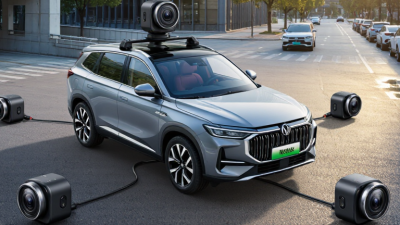
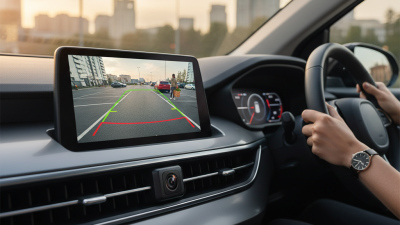
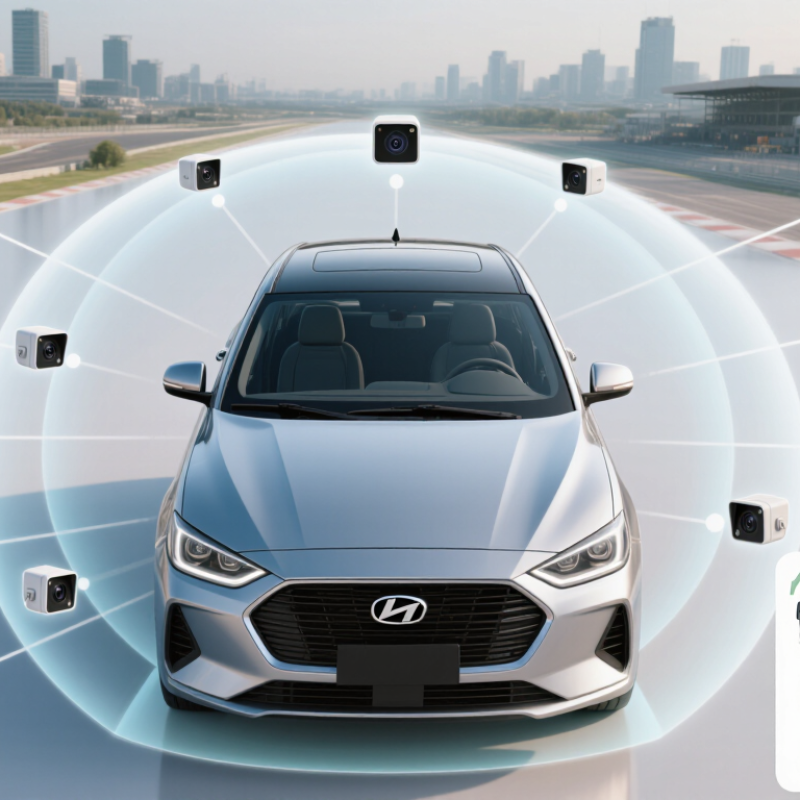
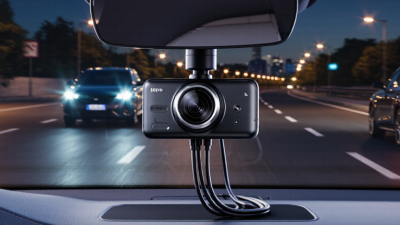
A multi-camera car system uses several cameras to monitor different areas around a vehicle. Typical positions include the front grille, rear hatch, side mirrors, and cabin. A control unit combines these images into one view or displays them separately. Drivers can check blind spots, parking lines, nearby objects, and road movement more clearly. Some systems also record video for later review. In practical installation work, camera angle matters as much as image quality. A poorly positioned lens can make a nearby curb appear several inches away.

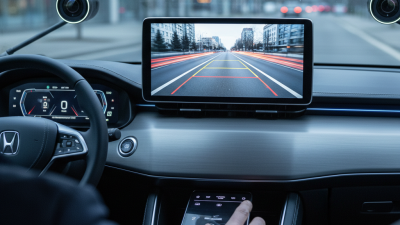
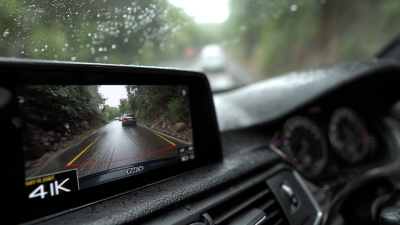
The system usually includes cameras, wiring, a display, software, and a storage device. Advanced versions may offer panoramic views, motion alerts, or low-light support. However, image stitching is not always perfect. Moving objects can look slightly distorted near the seams. Rain, mud, glare, and darkness may reduce accuracy. The system supports careful driving, but it does not replace mirrors, direct observation, or responsible judgment. That limitation deserves more attention.

Tips: Check the camera’s night performance before purchase. Ask for clear wiring and weather-resistant connectors. Test every view after installation, especially the rear and side angles. Keep lenses clean. A small smear can hide a child, bicycle, or parking barrier. Review storage settings regularly, because constant recording may fill the memory quickly.
How China’s Top Suppliers Are Evaluated

China Top 10 Multi Camera Car System Suppliers?

Evaluating leading suppliers requires more than comparing camera counts or brochure prices. Real experience starts with vehicle testing. Inspectors should mount systems on different vehicle types, then record blind spots, image clarity, and stitching accuracy. Night scenes matter. Rain, dust, glare, and uneven roads can expose weaknesses quickly. Testing should also measure latency, frame stability, heat performance, and storage reliability. A polished demonstration is not enough.

Professional expertise appears in integration details. Reviewers should examine CAN communication, parking assistance logic, wiring quality, calibration tools, and software update procedures. Suppliers with strong engineering teams usually provide clear test reports and traceable component information. Relevant quality systems, electromagnetic compatibility results, and documented safety procedures add authority. However, certificates alone cannot prove daily performance. Independent verification remains necessary.

Reliability is built through evidence over time. Ask for production records, failure-rate data, warranty terms, spare-part plans, and technical response times. Speak with vehicle integrators when possible. Their feedback may reveal delays that sales documents hide. Sample testing should include repeated installation and removal, not just one successful trial. No supplier is perfect. Even careful evaluations can miss regional weather or unusual vehicle wiring. That limitation should be recorded, not disguised. Suppliers deserve higher rankings when they respond openly, correct defects, and explain measurable improvements.

China’s Top 10 Multi-Camera Car System Suppliers

China’s Top 10 Multi-Camera Car System Suppliers

China’s leading ten multi-camera car system suppliers serve passenger vehicles, commercial fleets, and specialty transport. Their systems commonly combine four to twelve cameras around the vehicle. Typical functions include surround-view parking, blind-spot monitoring, lane recording, and driver assistance. Buyers should examine more than camera resolution. Stable image stitching matters during rain, glare, dust, and nighttime driving.

In factory evaluations, engineers usually inspect lens sealing, connector strength, thermal performance, and software update controls. A reliable supplier should provide clear wiring diagrams, test records, calibration tools, and responsive technical support. Integration with CAN, Ethernet, and existing vehicle displays also reduces redesign work. Cybersecurity and data protection deserve equal attention, especially when systems store video or connect to cloud platforms. Compliance testing should match the vehicle’s target markets.

Performance can look impressive in a showroom. Real roads are less forgiving. Some suppliers still show weak night images or delayed alerts under heavy traffic. That gap needs honest testing. Request sample units and install them on different vehicle models. Measure latency, blind-zone coverage, stitching errors, and recovery after power interruption. Price is useful, but replacement parts and long-term software support often determine the real cost. A careful buyer should keep a written scoring table. Avoid relying on polished demonstrations alone.

Key Technologies and Product Features Compared

China Top 10 Multi Camera Car System Suppliers: Key Technologies and Product Features Compared

China’s leading ten multi-camera suppliers compete through image quality, processing speed, and system integration. A 2024 MarketsandMarkets report valued the global automotive camera market at about USD 8.7 billion. It projects strong growth through 2029, driven by parking assistance and advanced driver assistance systems. The strongest suppliers now support four, six, eight, or more cameras within one vehicle platform.

High dynamic range remains important. It helps preserve details beside bright headlights or dark tunnels. Many current systems use 2-megapixel to 8-megapixel sensors, with low-light enhancement and electronic image stabilization.

Surround-view products commonly combine four wide-angle cameras, producing a stitched overhead image for narrow parking spaces. Some platforms also add driver monitoring, trailer-view functions, and blind-spot coverage.

Processing latency matters. A delayed warning can reduce practical value.

Certification and production discipline separate mature suppliers from promising ones. ISO 26262 processes, cybersecurity controls, waterproof connectors, and end-of-line calibration should appear in technical evaluations. UNECE vehicle safety requirements also influence system design in export markets.

S&P Global Mobility reports continued growth in vehicles equipped with Level 2 assistance features, increasing demand for reliable camera fusion. However, specifications can look better than real road performance. Rain droplets, dirty lenses, reflective signs, and faded lane markings still create difficult conditions. Laboratory scores alone are not enough. Buyer tests should include night roads, uneven lighting, winter contamination, and repeated calibration checks.

Applications, Standards, and Future Market Trends

China’s top ten multi-camera car system suppliers serve passenger vehicles, buses, logistics fleets, and autonomous shuttles.

Their systems support blind-spot detection, lane monitoring, parking assistance, driver recording, and cabin observation. A typical vehicle may use four exterior cameras and one interior camera. Installation quality matters. Poor lens alignment can create false warnings.

Professional evaluation should examine image clarity, night performance, weather resistance, and calibration time. Suppliers should demonstrate compliance with ISO 26262 for functional safety and ISO/SAE 21434 for cybersecurity management.

UNECE R155 and R156 also influence cyber risk and software update practices in international markets. Data protection requires careful storage, access control, and transparent user policies. Standards help, but they do not replace testing.

Future systems will combine cameras with radar, thermal sensors, and edge artificial intelligence. This can improve detection in rain, darkness, and crowded streets. Smaller processors may reduce cloud dependence and response delays. Fleet operators will demand remote diagnostics, encrypted updates, and lower maintenance costs. Electric vehicles may create new demand for compact, low-power camera modules.

Still, specifications can mislead. I have seen strong daytime footage fail during glare or heavy rain. Suppliers need longer road trials, clearer failure reporting, and better calibration tools. The market will reward reliability, not impressive demonstrations alone.