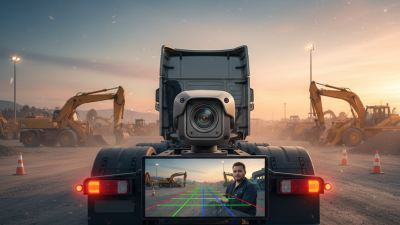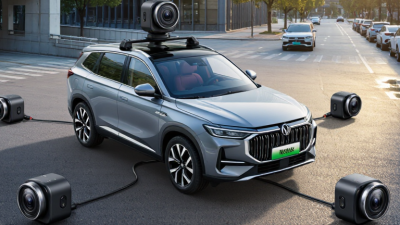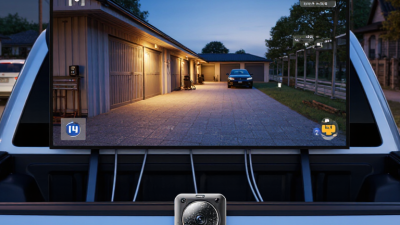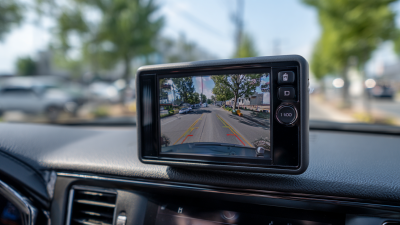
Backing out of a crowded driveway can be harder than it looks. A child’s bicycle may sit below the rear window, while a parked car blocks the view from one side. An Auto Rear View Camera System gives drivers a live view of the area behind the vehicle, helping reveal obstacles that mirrors may not show clearly. That extra perspective can make reversing feel more controlled.
Details matter. Screen size, camera angle, image clarity, and night performance all affect how useful the system is. A wide view can show more of the driveway, but it may make distant objects appear smaller. Rain, dirt, glare, and poor installation can also reduce visibility. Keep the lens clean. Check the image before relying on it.
It helps, but it is not magic. A camera shows only what its lens can see, and screens can distract if drivers stare at them too long. Use the display alongside mirrors and direct checks, and move slowly when visibility is limited. For a new vehicle, an integrated system may offer a cleaner setup. For an older car, an aftermarket option can be practical when installed and tested carefully. The right choice depends on the vehicle, driving habits, and budget—not on the most impressive feature list. Even a good system has limits, and noticing those limits is part of using it well.
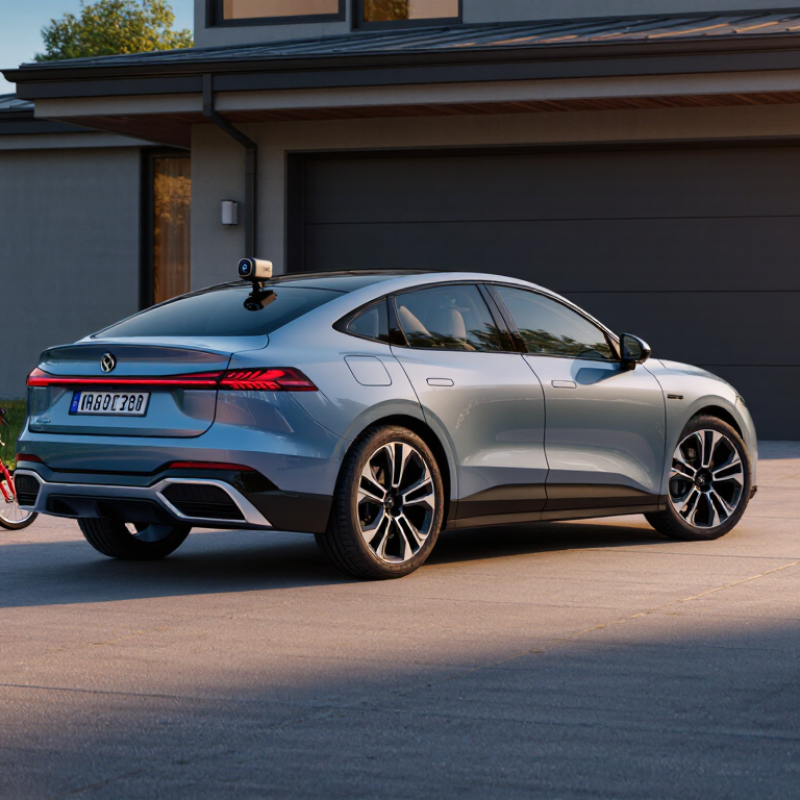
An auto rear view camera system is an electronic aid that shows the area behind a vehicle on an in-cabin display. A small camera, often mounted near the rear license-plate area, sends live video to a screen when reverse is selected. The screen may sit in the dashboard or rearview mirror. Simple, but useful.
The image can reveal low objects, pets, or a curb hidden below the rear window. Some systems add guide lines that move with steering; others use fixed lines or proximity alerts. The camera does not replace mirrors or direct observation. Rain, mud, and glare can reduce image detail. It is not magic. In a 2019 insurance-claims study, the Insurance Institute for Highway Safety reported 17% fewer backing-crash claims associated with rearview cameras, and a 42% reduction when cameras were combined with rear parking sensors. NHTSA’s 2014 rear-visibility rulemaking estimated that compliant systems could prevent 58–69 deaths and 15,000 injuries annually. These are population-level estimates, not guarantees for individual drivers. One detail is easy to overlook: a screen can make distance feel flatter than it really is. A clean lens and a correctly aimed camera matter.
A rear view camera system uses a camera mounted at the back of a vehicle to show the area behind it on an in-vehicle display. U.S. FMVSS No. 111 specifies a rear visibility zone 10 feet wide and 20 feet long for covered vehicles.
The chart shows the width and depth of the specified rear visibility zone, not the camera’s field-of-view angle. Source: U.S. FMVSS No. 111.
Why Choose an Auto Rear View Camera System?
How an Auto Rear View Camera System Works
A rear view camera uses a small camera mounted near the back of a vehicle to capture the area behind it. Its image sensor converts incoming light into a video signal. That signal travels by wire or, in some systems, wirelessly to a screen inside the cabin. When reverse gear is selected, the display usually turns on automatically.
The screen may show guide lines to help estimate the vehicle’s path. Some lines move as the steering wheel turns; others stay fixed. These guides are helpful, but they are estimates, not a promise that the vehicle will clear every obstacle. That matters. Camera angle, installation, and calibration can change what appears on screen.
A wide-angle lens can reveal more of the scene, though objects near the edges may look farther away or distorted. Dirt, rain, glare, or low light can also make details harder to see. A quick wipe of the lens can help. Not always. The camera complements mirrors and direct checks; it cannot show every blind spot. Understanding how the system displays its view makes it easier to use carefully, rather than treating the screen as a complete picture.
Why Choose an Auto Rear View Camera System?
Safety and Visibility Benefits
An auto rear view camera shows areas hidden behind the vehicle, including low obstacles near the bumper. At a crowded driveway, its screen may reveal a small scooter or a child crossing behind the car. That matters. In its 2014 rear visibility rulemaking, the U.S. National Highway Traffic Safety Administration estimated that backover crashes caused about 210 deaths and 15,000 injuries annually. The agency projected that rear visibility requirements could prevent 58 to 69 deaths and 8,000 to 9,000 injuries each year. These are population-level estimates, not a guarantee for every driver.
The everyday benefit is clearer awareness when reversing, especially in larger vehicles with high rear windows. A camera can help drivers judge distance, but the image may flatten depth and hide objects outside its viewing angle. Still, limits remain. Rain, road grime, or darkness can make the display harder to read. Wiping the lens and checking mirrors and surroundings are simple habits that support safer reversing. The camera should add another view, not replace careful observation. It is easy to rely on the screen too much; that deserves a little thought.
| Feature or Situation | Visibility and Safety Benefit | Practical Use | Important Consideration |
|---|---|---|---|
| View behind the vehicle | Displays an image of the area behind the vehicle, helping the driver see objects that may be difficult to view directly from the driving position. | Check the display before and while reversing, alongside mirrors and direct observation. | The camera shows only the area within its field of view; it does not eliminate all blind spots. |
| Low obstacles | Can make some nearby, low-height objects easier to notice when they appear in the camera image. | Useful when backing toward a driveway, parking space, or other area with objects near the ground. | Small, narrow, or obscured objects may not be visible. Check the surroundings directly before moving. |
| Parking and maneuvering | Provides a view behind the vehicle that can help the driver judge the space while reversing. | Use the image to support slow, controlled movements into or out of a parking space. | On-screen guidelines, if fitted, may be estimates and can vary with steering angle or vehicle setup. |
| Children and pedestrians | May help reveal a person who enters the visible area behind the vehicle. | Pause and check carefully before reversing, especially in driveways and busy pedestrian areas. | A person can move into the vehicle’s path after the image is checked. The camera is not a substitute for a careful walk-around or attentive driving. |
| Limited visibility from the driver’s seat | Offers an additional viewing angle that can be helpful when the rear window view is restricted by vehicle design or cargo. | Combine the camera view with mirrors and, when safe, a direct view around the vehicle. | Items, dirt, water, glare, or damage affecting the camera can reduce image clarity. |
| Low light and weather | Some systems can display a rear image in low-light conditions, depending on the camera and surrounding lighting. | Keep the camera lens clean and use extra caution at night or in poor weather. | Darkness, rain, snow, fog, or a dirty lens may make the image harder to interpret. |
| Reversing alerts and sensors | Some vehicles pair a rear camera with audible alerts or distance sensors to provide additional assistance. | Pay attention to both the image and any available alerts while reversing. | Features vary by vehicle; alerts may not detect every object or accurately indicate its position. |
Why Choose an Auto Rear View Camera System?
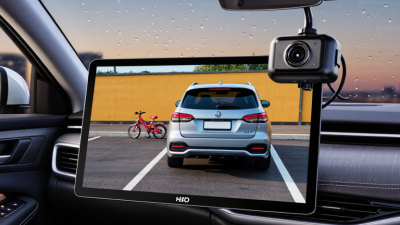
Common systems combine a rear-mounted camera with a display on the dashboard, windshield, or rear-view mirror. The screen shows obstacles that may sit below the rear window’s line of sight. Helpful features can include parking guidelines, adjustable brightness, and a wide viewing angle. Some guidelines stay fixed, while others move with the steering wheel. That difference matters when backing into a narrow space. At dusk, low-light performance can help, but glare, rain, and a dirty lens still affect the picture. Not magic.
System types vary by installation and display. Wired systems send video through a cable and often provide a steady connection, though installation may take more work. Wireless systems reduce long video cables, but the camera still needs power, and signal quality can vary. Some setups show the image in a replacement mirror; others use a separate dashboard monitor or an existing compatible screen. A single camera is common, while multi-camera systems can add side views. Check screen visibility, camera placement, and vehicle compatibility before choosing. Even a clear image can make distance look flatter than it is, so drivers should still check mirrors and surroundings.
Choosing an auto rear-view camera system means checking what it shows, not just how large its screen looks. A wide viewing angle can reveal a child or bicycle near the bumper, but extreme wide-angle lenses may distort distance. Compare image clarity, low-light performance, and screen size in the actual vehicle. NHTSA’s 2014 rear-visibility rule analysis estimated that rearview technology could prevent 58–69 deaths and about 15,000 injuries annually. Those figures describe potential benefits across vehicles, not a guarantee for every driver.
Check how the camera handles rain, glare, and darkness. A sharp daytime image is not enough. Look for a weather-resistant housing, a clear night image, and a display with minimal delay. IIHS research reported that rearview cameras were associated with a 17% reduction in backing crashes; cameras combined with parking sensors reduced them by 42%. Sensors can help with nearby obstacles, while the camera provides visual context. Each has limits.
Fit matters. Confirm that the display works with your vehicle’s existing setup, and ask whether installation requires calibration. A poorly aimed camera can hide the very area it should show. Also consider whether the image stays visible in direct sunlight and whether wiring is protected from moisture. Small details matter. I would test the view from the driver’s seat before choosing; specifications alone can be misleading. A camera supports careful reversing, but it cannot replace mirrors, a slow approach, or a direct check of the surroundings.